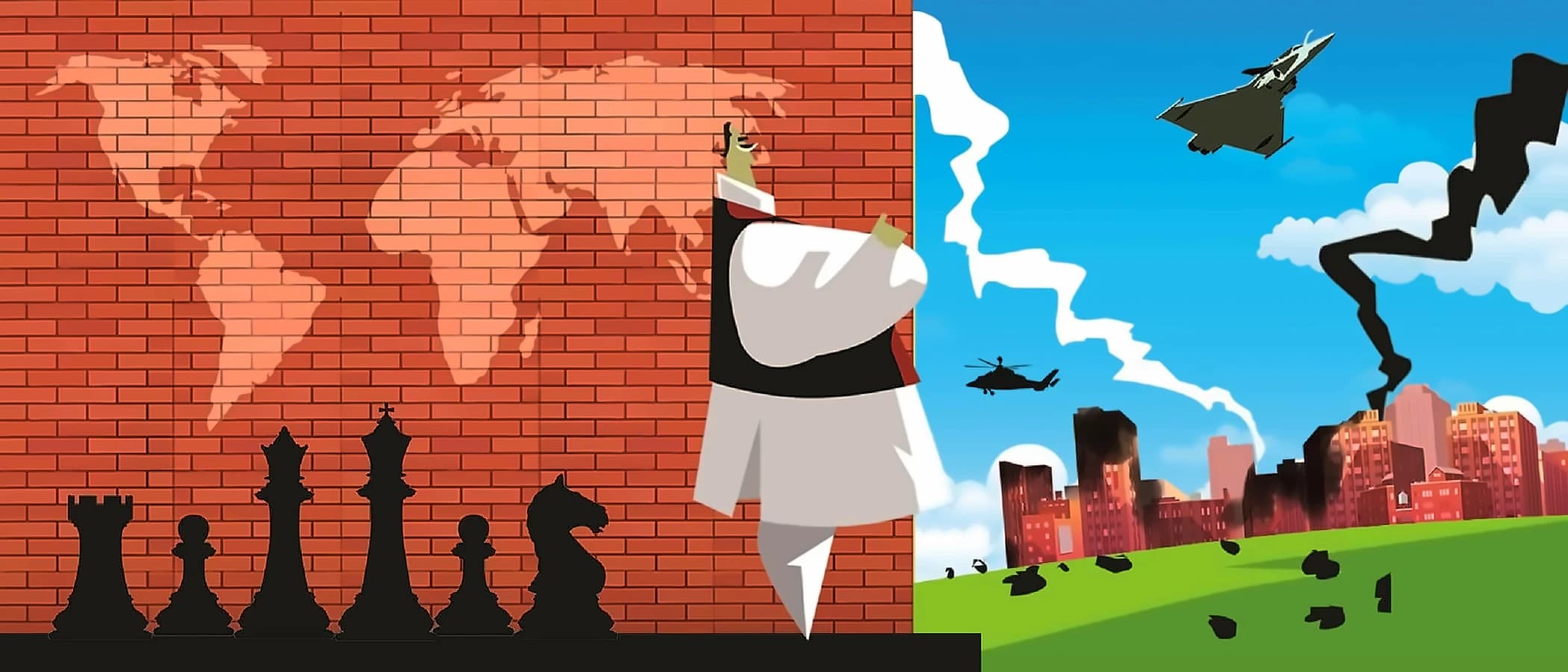
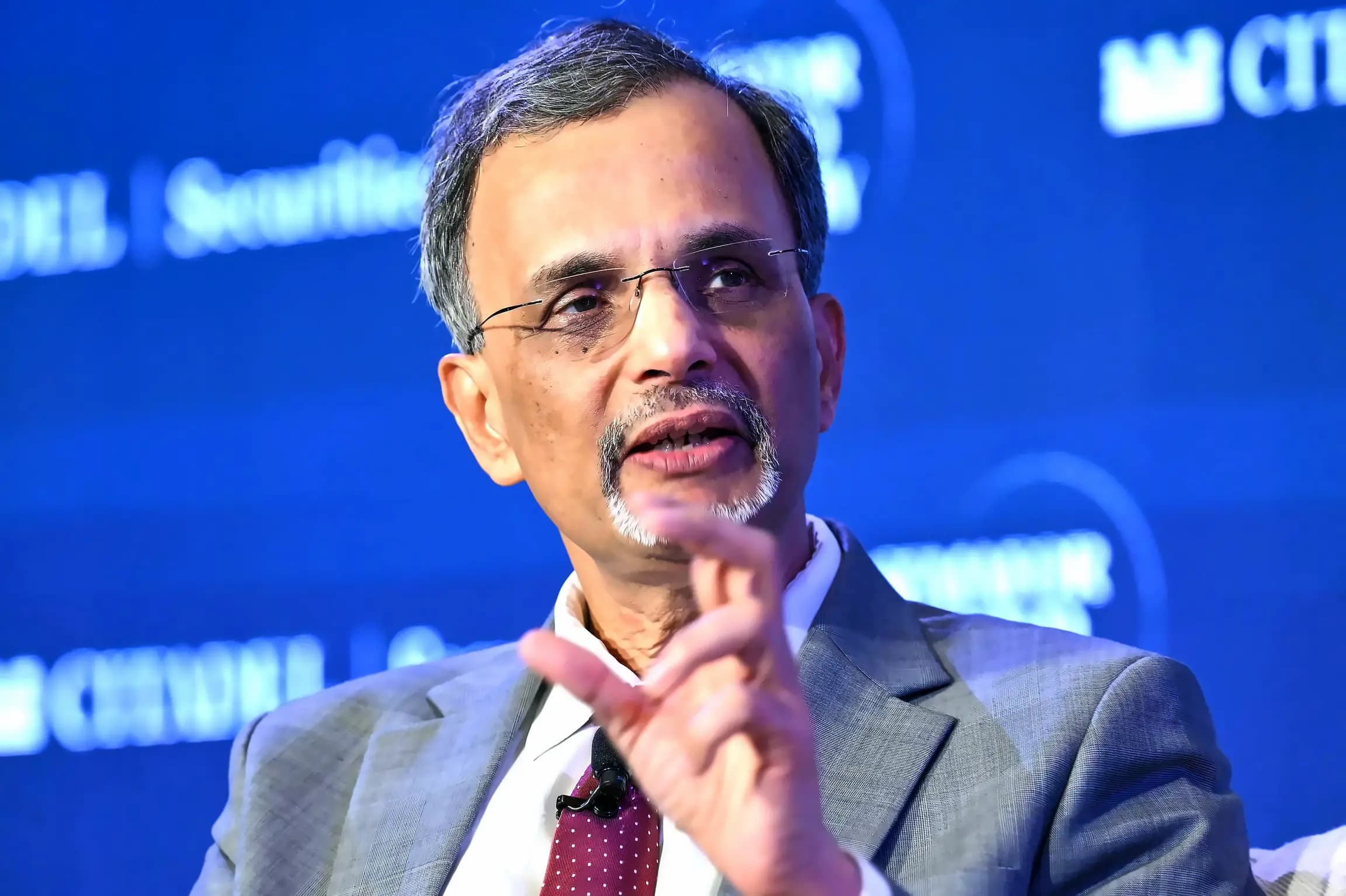
V Anantha Nageswaran, Chief Economic Adviser to the Government of India, has predicted that the global order is entering a highly volatile 20-year cycle, warning of severe geopolitical flux. According to reports from Business Standard, the CEA noted that 'The next 20 years will mimic, to some extent, the period between 1925 and 1945', emphasizing that corporations must pivot from an era of pure efficiency to one focused on resilience and security. As reported by Business Standard, Nageswaran was speaking about the AI revolution and the hidden resilience of the Indian economy in the latest episode of the 'Professor Mahesh Podcast' at IIT Madras. The CEA emphasized that nations increasingly weaponise supply chains and financial systems, making resilience more critical than ever for businesses, urging corporations to shift from the traditional 'just-in-time' efficiency model to a 'just-in-case' mindset prioritising resilience and security. Nageswaran stressed that in this environment, businesses worldwide would increasingly prioritise security and self-reliance over the pursuit of the lowest possible cost.
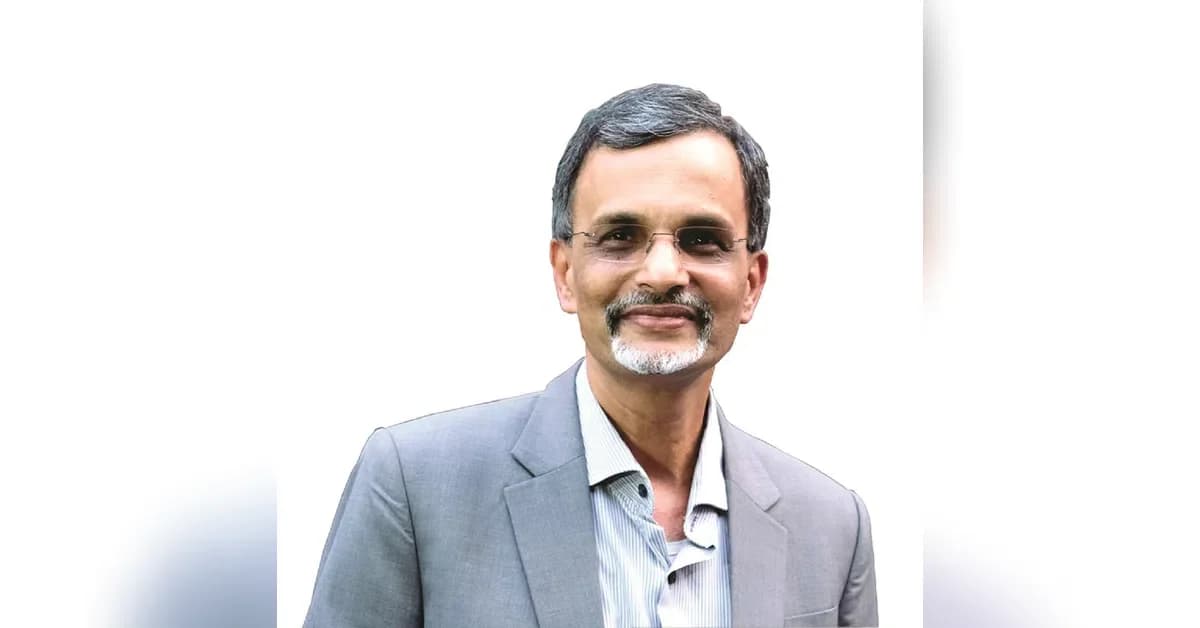
The CEA underscored that the public heavily underestimates India's baseline strength, describing India as one of only two or three nations globally capable of simultaneously growing its own food in a self-sufficient manner, launching its own satellites, and manufacturing vital pharmaceuticals such as paracetamol and antibiotics. According to Business Standard, Nageswaran highlighted that India stands as a 'living economics laboratory' unmatched anywhere on Earth, uniquely tasked with achieving massive socio-economic transformation under a deep political democracy before reaching full economic prosperity. He evoked the famous quote attributed to economist Joan Robinson, stating 'Whatever you say about India, the opposite can be equally true'. This strategic advantage, he stressed, is both underestimated and foundational to India's resilience during the anticipated period of global uncertainty.
Addressing widespread concerns surrounding AI-driven job displacement, the CEA described current anxieties as largely overestimated. As reported by Business Standard, Nageswaran argued that AI will actually increase the cognitive load on humans, stating that 'if your prompt is garbage, the output is garbage'. To remain indispensable, students must master the art of prompt composition. The CEA identified a significant economic opportunity in trade skills such as electrical work, mechanical services and plumbing, which remain highly insulated from AI disruption. This positions India's traditional trade sectors as crucial for maintaining employment stability during the AI revolution, with the CEA noting that skills such as effective prompt creation will become essential for navigating the AI-driven economy.
Debunking data frequently cited in international forums, the CEA highlighted that policies such as the Goods and Services Tax (GST) have aggressively pulled micro, small and medium enterprises (MSMEs) into the formal fold. According to Business Standard, citing internal tracking, he noted that the Indian economy has become roughly 65 per cent formalised. In a candid and far-reaching conversation on the Professor Mahesh Podcast by IITM Global at IIT Madras, Nageswaran urged educational institutions to immediately prioritise interdisciplinary frameworks, stating that studying engineering or computer science in isolation is no longer sufficient; a foundational grasp of economics, history and political economy is required to successfully navigate a non-linear world. The CEA advocated for an interdisciplinary approach that blends engineering and computer science with economics, history, and political economy to prepare students for the complex, non-linear challenges ahead.