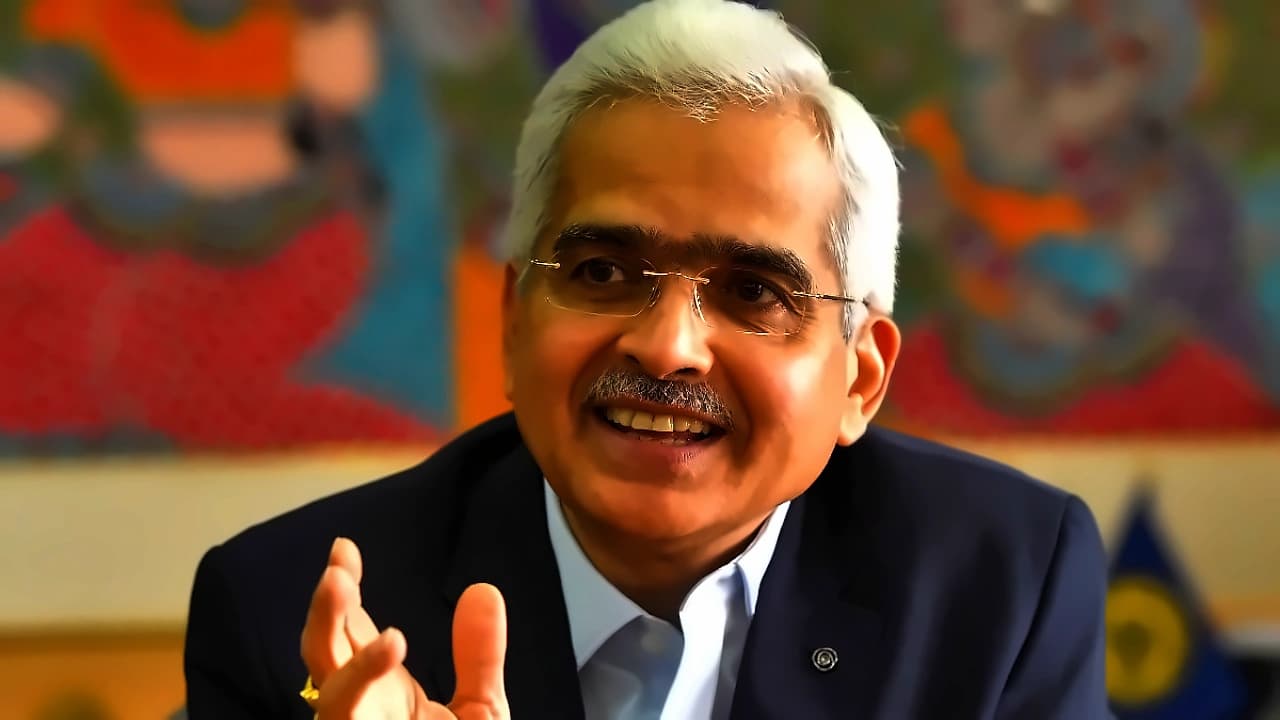
Principal Secretary to the Prime Minister P K Mishra has cautioned that artificial intelligence models could reinforce existing biases in official statistics and provide false confidence in addressing data gaps. Speaking at the 20th Statistics Day celebrations, Mishra warned that AI models 'learn only from the data it is given, and it will faithfully reproduce whatever biases and gaps it contains'. According to reports from Times Now, he emphasized that these concerns are not reasons for hesitation but rather call for a more rigorous approach to data governance. Mishra also highlighted a critical challenge: 'If a figure is imputed or nowcast by a model, can the statistical system audit it, explain it and own it as it owns a survey result?'
Mishra highlighted a significant institutional shift that could impact statistical credibility. As reported by Times Now, he noted that 'for decades, the credibility of India's official statistics came from the fact that statistical agencies designed surveys, selected samples and independently produced estimates'. However, with the centre of gravity shifting towards records that other ministries generate and own, he emphasized the need to carefully consider how statistical independence is preserved. Mishra stressed that unlocking the full potential of administrative data would require secure interoperability between departments, strong privacy protections and a well-designed institutional framework.
Addressing the 20th Statistics Day celebrations, Mishra announced that reforms undertaken by India's official statistical machinery in recent years have led to updating of macroeconomic indicators, improved data dissemination, introduction of new and user demand-based surveys. According to The Times of India, he stated that starting 2020, several key steps were taken by PMO and statistics ministry to 'analyse, identify and address' challenges and criticism levelled against official data pertaining to outdated datasets, delays in dissemination, uneven quality and declining professional capacity. The comprehensive reform exercise included consultations with experts, institutions and stakeholders, resulting in the ministry accepting 216 recommendations for time-bound implementation under an institutional oversight mechanism.

Describing this year's Statistics Day theme of 'Unlocking the Potential of Administrative Data' as marking 'an inflection point' for India's statistical system, Mishra outlined a comprehensive approach. According to Times Now, he stated that administrative data must evolve from being a by-product of departmental processes to becoming a strategic national asset. The strategy includes dynamic data catalogues, seamless interoperability across government systems, and a fully integrated data ecosystem where information is generated at source, shared securely, and utilized efficiently for governance and policy analysis. As reported by The Times of India, Mishra emphasized that administrative data can become a powerful national asset only when backed by robust standards of quality, privacy and transparency.