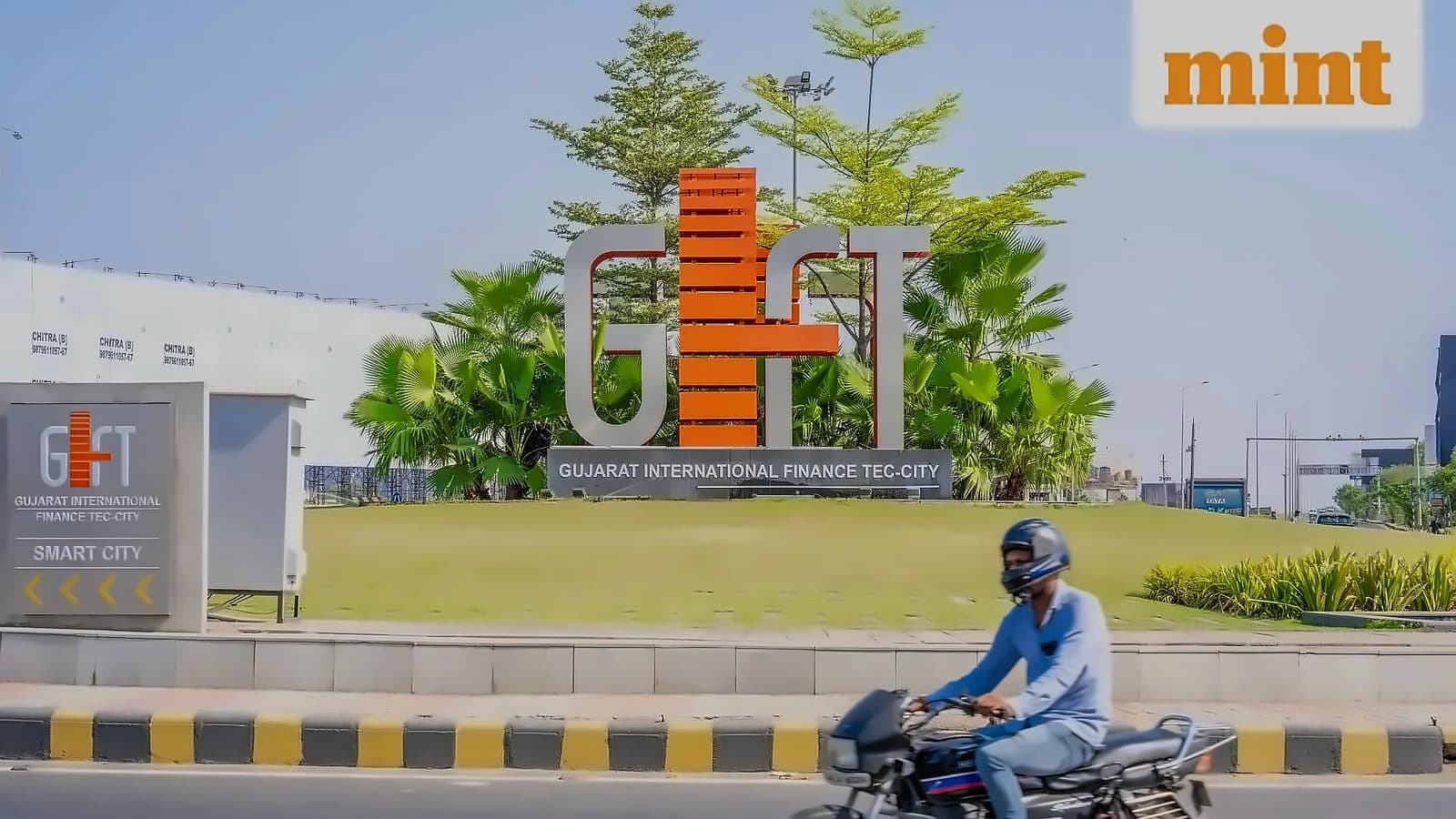
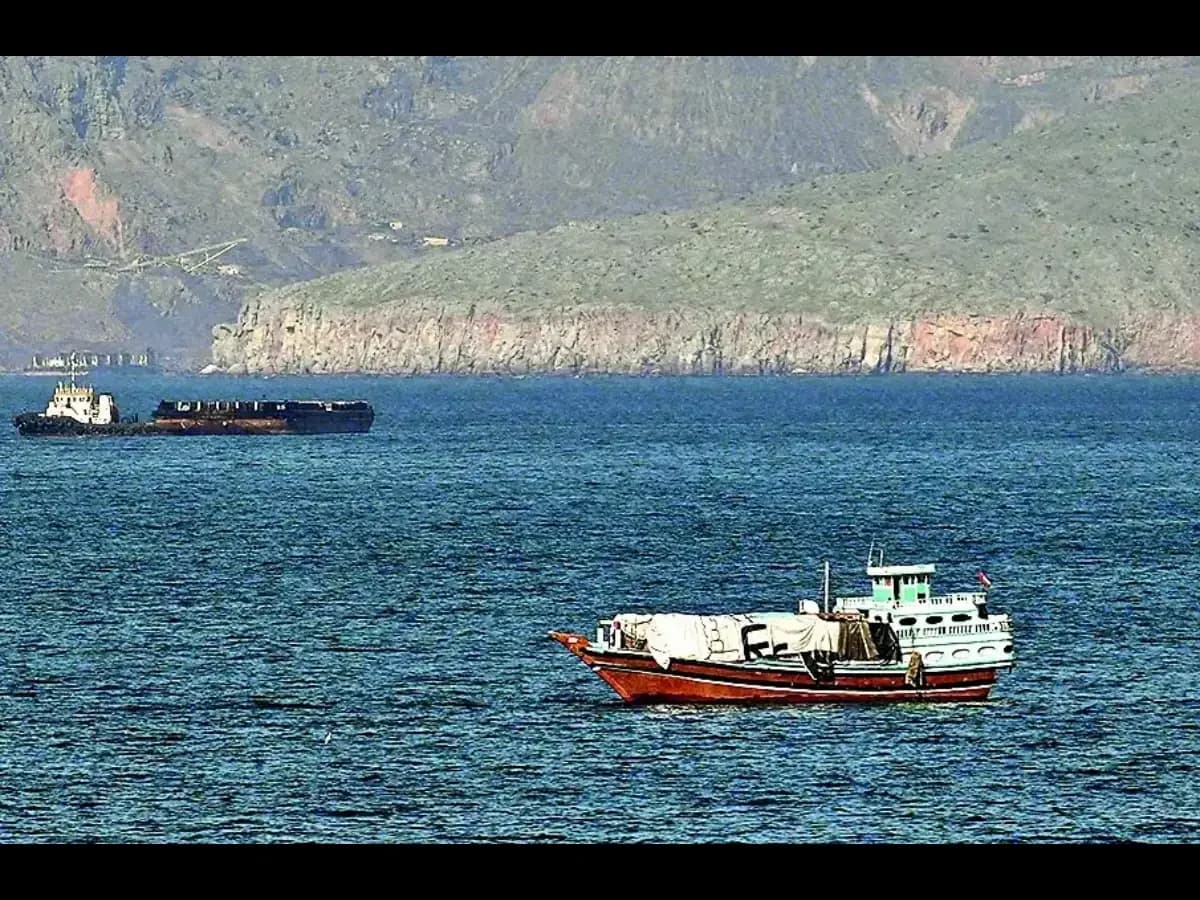
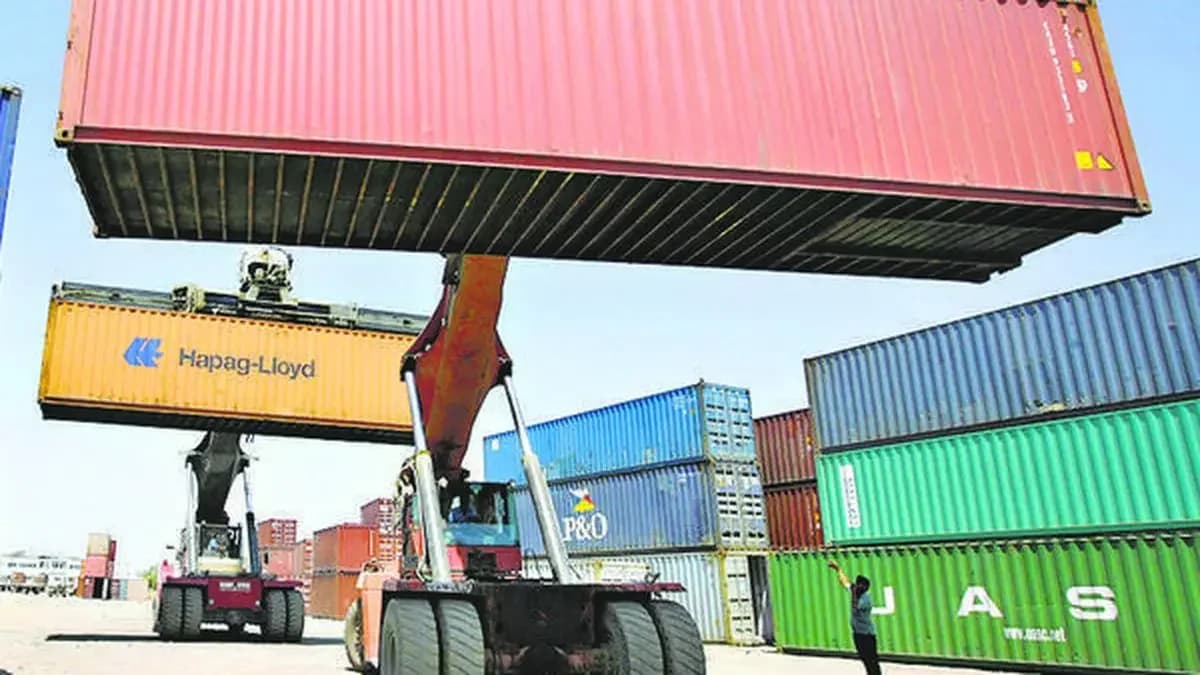
India has achieved significant milestones in securing its global trade infrastructure through two major initiatives. The Bharat Maritime Insurance (BMI) Pool has been officially launched, providing critical hull and cargo insurance to domestic vessels and shielding maritime trade from volatile global risks. Simultaneously, Taiwan's CTBC Bank has become the first Taiwanese bank to establish a branch in India at Gujarat International Finance Tec-City (GIFT City), marking a massive step forward for cross-border investments and bilateral tech-trade corridors. These developments come as India's trade deficit faces significant pressure, with goods trade deficit widening to $28 billion in April 2026 from $21 billion in March. The infrastructure developments position India strategically for enhanced global trade capabilities, with the BMI Pool launch providing critical insurance coverage for domestic vessels and CTBC Bank's GIFT City entry opening new avenues for cross-border investments.
India's electronics deficit remains a key concern, with electronics imports jumping to 29% from 18% in the latest data, driving the broader trade deficit widening. The electronics deficit reached an all-time high of $7.6 billion, rising by $0.7 billion from the previous month, emerging as the primary driver of the core deficit excluding oil and gold, which deteriorated to $13 billion from $9 billion. While goods exports expanded 14% year-on-year in April after contracting 7.4% in March, the core deficit excluding oil and gold deteriorated due to higher shortfalls across chemicals, electronics, ores and agriculture. The core imports excluding oil and gold accelerated to 11% from 7%, with electronics imports leading this surge. According to Interaksyon, Canadian trade minister Maninder Sidhu announced investment plans for a future project aligned with the Luzon Economic Corridor, indicating continued international interest in India's trade infrastructure development.

India's Foreign Direct Investment has shown signs of recovery after years of decline, with net FDI dropping to a single digit figure of $1 billion in FY25 but showing signs of recovery to $3 billion during the April-December period of FY26. According to Business Standard reports, Free Trade Agreements (FTAs), reduction in import tariffs and improvement in business environment would encourage higher net foreign capital inflows into India. The government should continue reducing import tariffs to ensure foreign investments remain competitive, while strengthening the overall manufacturing ecosystem by developing industrial zones with robust infrastructure and integrated facilities. Park noted that free trade agreements should help increase FDI flow in India, making it easier for foreign firms to address their business needs efficiently. The CTBC Bank's GIFT City entry represents a significant milestone for cross-border investments, particularly as Canada's trade minister has announced investment plans for future projects aligned with the Luzon Economic Corridor.
The ongoing Middle East crisis continues to impact India's economic projections, with the crisis expected to shave off 0.6 per cent from India's GDP growth, bringing it to 6.3 per cent for the current financial year. According to Business Standard reports, oil prices are likely to stay higher for longer due to disruption caused by the longer-than-expected Middle East crisis. The ADB projects average oil prices at $96 per barrel for 2026 and expects them to remain elevated at $80 per barrel in 2027. Regarding inflation, the ADB had projected 4.5 per cent for the current fiscal year, with Park noting that future prices are showing higher prices farther out into next year than they did before. The Middle East crisis continues to create economic headwinds for India, with oil prices remaining elevated due to regional disruptions.
These infrastructure developments position India strategically for enhanced global trade capabilities. The BMI Pool launch provides critical insurance coverage for domestic vessels, while CTBC Bank's GIFT City entry opens new avenues for cross-border investments and tech-trade corridors. These initiatives align with India's broader strategy to scale up infrastructure, safeguard its waters, and cement its status as a global economic powerhouse. The combination of maritime insurance security and enhanced banking partnerships represents a comprehensive approach to strengthening India's trade infrastructure and global competitiveness. According to Interaksyon, Canada's trade minister's announcement of future investments for projects aligned with the Luzon Economic Corridor demonstrates continued international confidence in India's trade infrastructure development, particularly as Canada joins Taiwan in establishing banking presence in GIFT City.