The Bharat Maritime Insurance Pool (BMI Pool) has received its first claim after a vessel covered under the arrangement was reportedly damaged in a drone attack in the Black Sea over the weekend. According to people familiar with the development as reported by The Economic Times, this marks the first test of India's sovereign-backed war risk insurance mechanism amid mounting tensions in West Asia. The incident comes after attacks on a commercial vessel in the Strait of Hormuz and the subsequent death of an India seaman prompted New Delhi to summon Tehran's envoy recently. The claim is currently being assessed by surveyors to determine the extent of damage and likely payout amount, with one source noting that "it is unfolding. Maybe in two days' time we will have a better picture of all the aspects."
Under the government-approved structure, the BMI Pool will settle claims of up to $100 million using industry capacity, with claims exceeding that threshold backed by the government's sovereign guarantee of ₹12,980 crore. As reported by The Economic Times, this additional layer of protection provides an additional safety net for catastrophic losses. The pool was launched to reduce India's dependence on overseas insurers for war risk cover and ensure uninterrupted insurance availability for Indian shipowners operating in conflict-prone regions. The sovereign guarantee acts as a backstop to support larger claims, providing an essential layer of protection for the maritime insurance mechanism.
The pool offers comprehensive coverage across hull and machinery, cargo, protection and indemnity (P&I), and war risk for Indian-flagged and Indian-controlled vessels. According to The Economic Times, Indian general insurers, led by GIC Re and New India Assurance, have created the initial $100 million industry pool as the first layer of protection for vessels operating in high-risk maritime corridors. The pool guidelines specify maximum exposure limits for each insured vessel but do not impose caps on losses from single events, allowing the mechanism to handle incidents involving multiple ships while applying claim limits individually to each vessel.
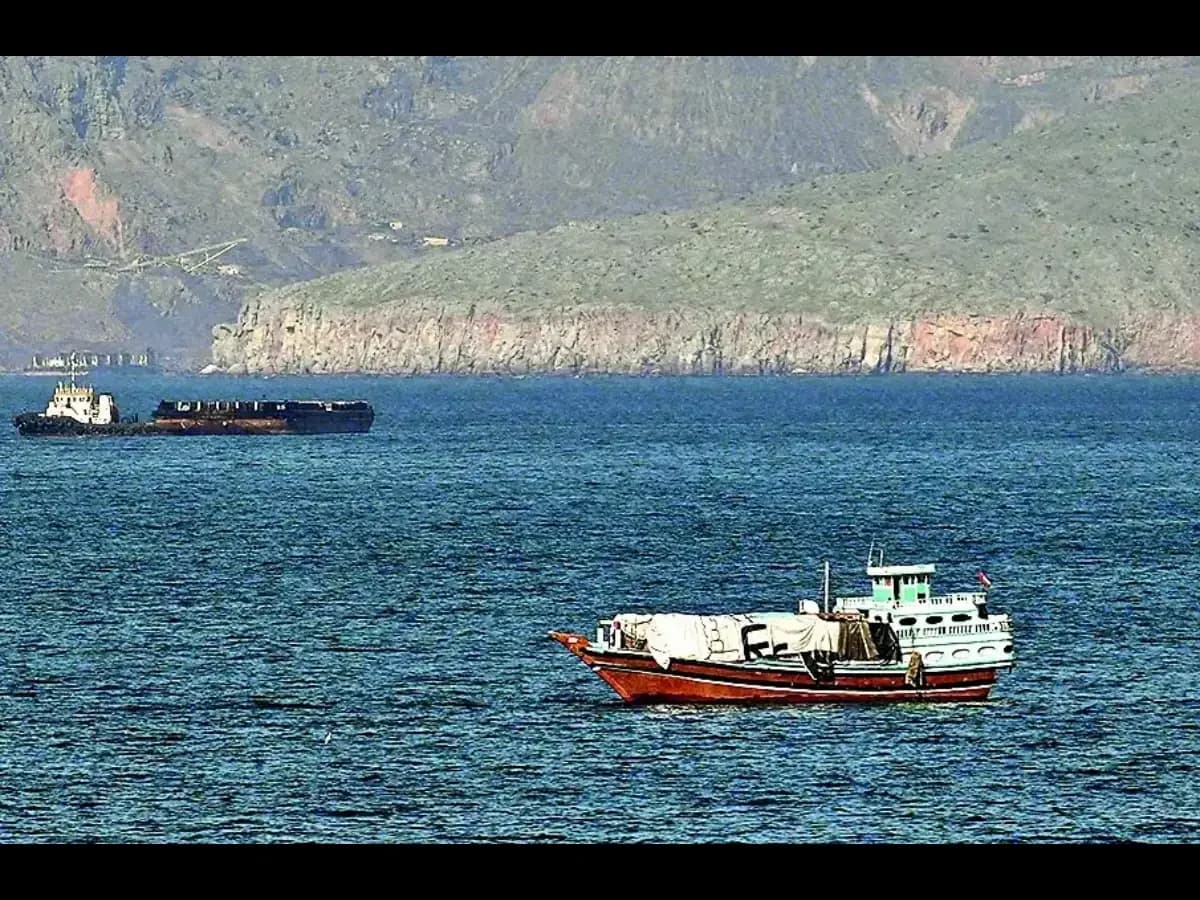
The pool's structure allows for event-based claim assessment rather than vessel-specific caps, as reported by The Economic Times. While the pool feature specifies maximum exposure for each insured vessel, it does not impose a cap on losses arising from a single event. As one source explained, "There is a possibility that multiple vessels may be involved in a single attack. The pool guidelines define adequately what is an event. So single risk limits are prescribed, events are defined, but event limits as such are not defined." Instead, claims will be assessed based on the defined event and the applicable single-risk limit for each vessel, allowing the pool to handle incidents involving multiple ships while applying claim limits to each vessel individually.