India's bond yield curve is experiencing significant flattening as 5-year government bond yields reached 6.52% on Thursday, following a sharp reversal after the Reserve Bank of India's FCNR(B) scheme closure. According to The Economic Times, the yield curve flattening reflects shifts in central bank policies and communication, from the early closing of a window that encouraged dollar inflows to policy minutes that signalled interest rate hikes. Shorter maturity bond yields had fallen since June, helped by non-resident Indian dollar deposits and overseas debt raises, while the RBI indicated little urgency to hike rates at its August meeting. However, the past week saw both factors reversed, with the RBI's monetary policy committee minutes showing that higher borrowing costs are likely around the corner. Recent RBI data reveals that weighted average domestic term deposit rates on fresh deposits rose by 16 basis points in June 2026 against a 4 bps increase in May 2026, while weighted average lending rates on fresh Rupee loans increased by 2 bps in June 2026.
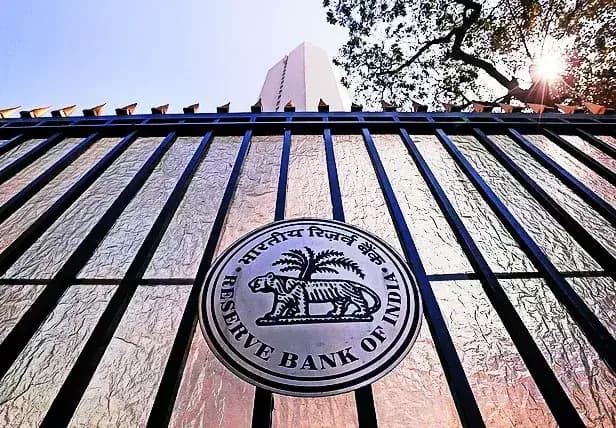
The RBI's decision to close its FCNR(B) scheme prematurely has significantly affected bond market dynamics. As reported by The Economic Times, the 5-year government bond had gained the most after the FCNR(B) scheme was announced, as inflows were largely for three- to five-year tenures, with a significant portion of the funds deployed in the 5-year government bond. The yield had previously fallen sharply to 6.31% levels by August from 6.85% levels in June following the scheme announcement. HDFC Bank's record fundraising of ₹1.75 billion through three- and five-year dollar bonds, which generated over $7 billion in bids, supported FCNR(B) deposit funding and contributed to the bond market strength. However, the recent policy developments have reversed this trend, with the flattening yield curve making short-term borrowing relatively more expensive.
A key factor supporting the bond market is the government's strategic shift in its borrowing composition. As reported by Axis Max Life Insurance, New Delhi has cut the proportion of supply of long-term papers to 25%, down from 35% last year. Sachin Bajaj, executive vice president and chief investment officer at Axis Max Life Insurance, noted that "a key factor supporting the segment has been the change in the government's borrowing mix, which has improved demand-supply dynamics." This change in the government's borrowing mix has decreased state debt issuance, which influences the government's overall borrowing strategy and market expectations, while robust demand from institutional investors drives interest in longer-term government securities.
Despite rising deposit and lending rates, credit growth continues to remain robust across sectors. According to the latest RBI bulletin, scheduled commercial banks' credit growth stood at 19.3% year-on-year as of July 31, 2026, compared to 18.6% in June 2026, while deposit growth increased to 15.4% year-on-year from 13.3% in June 2026. Sector-wise data indicates buoyant credit flows to retail and services sectors, with industrial credit strengthening further aided by sustained MSME credit growth and pickup in credit to large industries. The one-year marginal cost of funds-based lending rate (MCLR) declined by 15 bps in June 2026, though this was against an increase of 10 bps in May 2026. RBI officials noted that private sector banks recorded stronger pass-through to lending rates than public sector banks, while later exhibited relatively higher transmission to deposit rates during the current easing cycle.