Indian government bond yields have surged to 6.96% on Tuesday, closing in on the psychologically important 7% mark amid hawkish central bank signals and geopolitical tensions in West Asia. As reported by The Financial Express, the 10-year benchmark yield has risen more than 10 basis points over the past week as expectations of monetary tightening gained ground. The sell-off mirrors a sharp rise in yields globally, where surging oil prices have revived inflation concerns and prompted investors to ramp up bets on interest-rate hikes. The move began on Friday after Federal Reserve Chairman Kevin Warsh doubled down on his commitment to tame inflation, with momentum gathering this week as renewed Middle East conflict pushed energy prices higher.
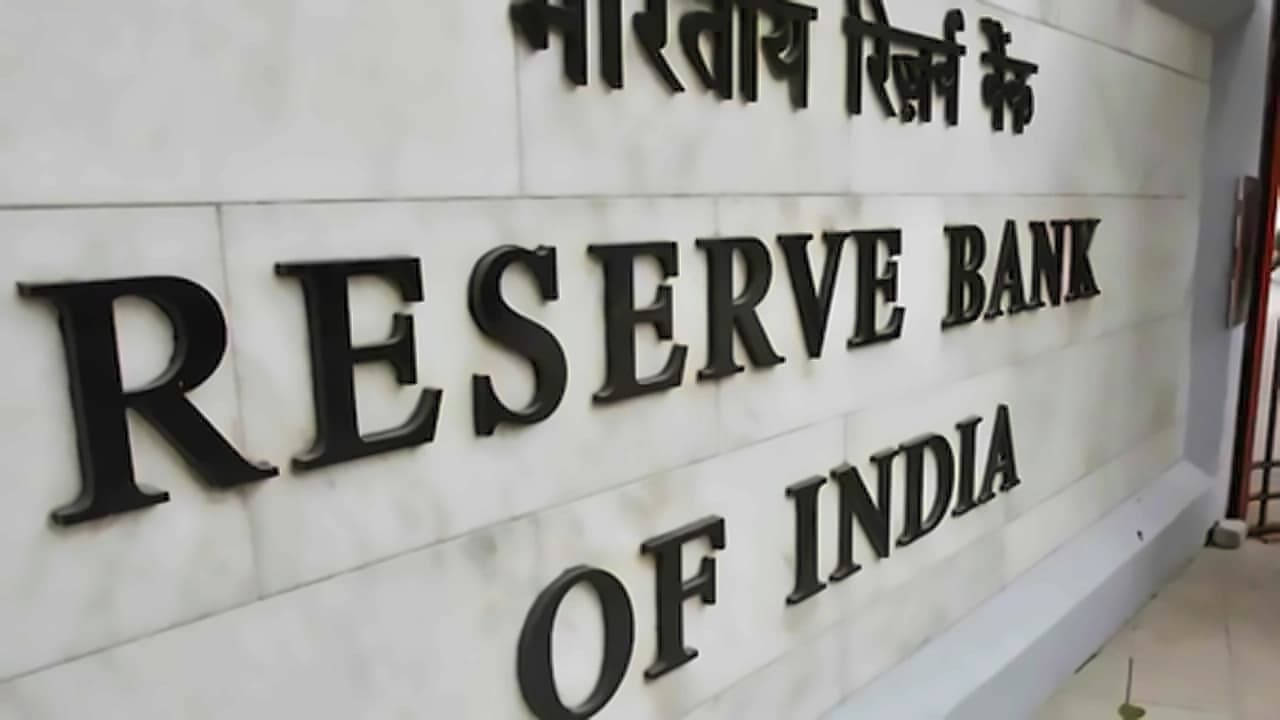
The Reserve Bank of India has strengthened expectations for monetary policy tightening following the August Monetary Policy Committee meeting minutes. According to The Financial Express, RBI Governor Sanjay Malhotra referred to the possibility of policy "recalibration" while Deputy Governor Poonam Gupta flagged the case for a rate hike. Since the minutes release, the benchmark 10-year yield has risen around 15 basis points. Market analysts now expect a 50 basis points rate hike this year, with traders placing fresh bets on rate increases. The sharp repricing is visible in the overnight index swap market, where the one-year OIS has jumped around 20 basis points to 6.01% over the past week, while the five-year OIS has risen 11 basis points to 6.51%.
The sell-off has been broad-based globally, with the 10-year Japanese government bond touching 3% for the first time since 1996, while UK 30-year yields climbed to their highest level since 1998. As reported by The Financial Express, Gopal Tripathi, treasury head at Jana Small Finance Bank, noted that bond yields have been under pressure for about a week, especially after Kevin Warsh's hawkish remarks. Despite the sharp rise, dealers believe the 10-year yield may struggle to move significantly beyond 7% in the immediate term as markets have already priced in substantial tightening. The 10-year US Treasury yield rose to levels last seen in January 2025, reflecting the global nature of the yield surge.
Despite the range-bound yield environment, Motilal Oswal continues to prefer accrual-oriented strategies across the credit spectrum and income-generating assets like InvITs as the core fixed-income allocation. According to the report, accrual exposure should constitute 55 to 60% of fixed-income allocations, directed towards performing credit, private credit strategies, high-yield non-convertible debentures, and infrastructure investment trusts. The strategy is supplemented by liquid alternatives such as Hybrid SIFs, Arbitrage Funds and Conservative Equity Savings Funds.
Gold gained 0.9% in July to close at USD 4,042 per ounce and climbed to around USD 4,400 per ounce in early August, supported by 289 tonnes of net central bank purchases in the second quarter and safe-haven demand amid ongoing geopolitical tensions. According to the report, this performance reflects the continued appeal of precious metals as a hedge against global uncertainties and currency depreciation risks.