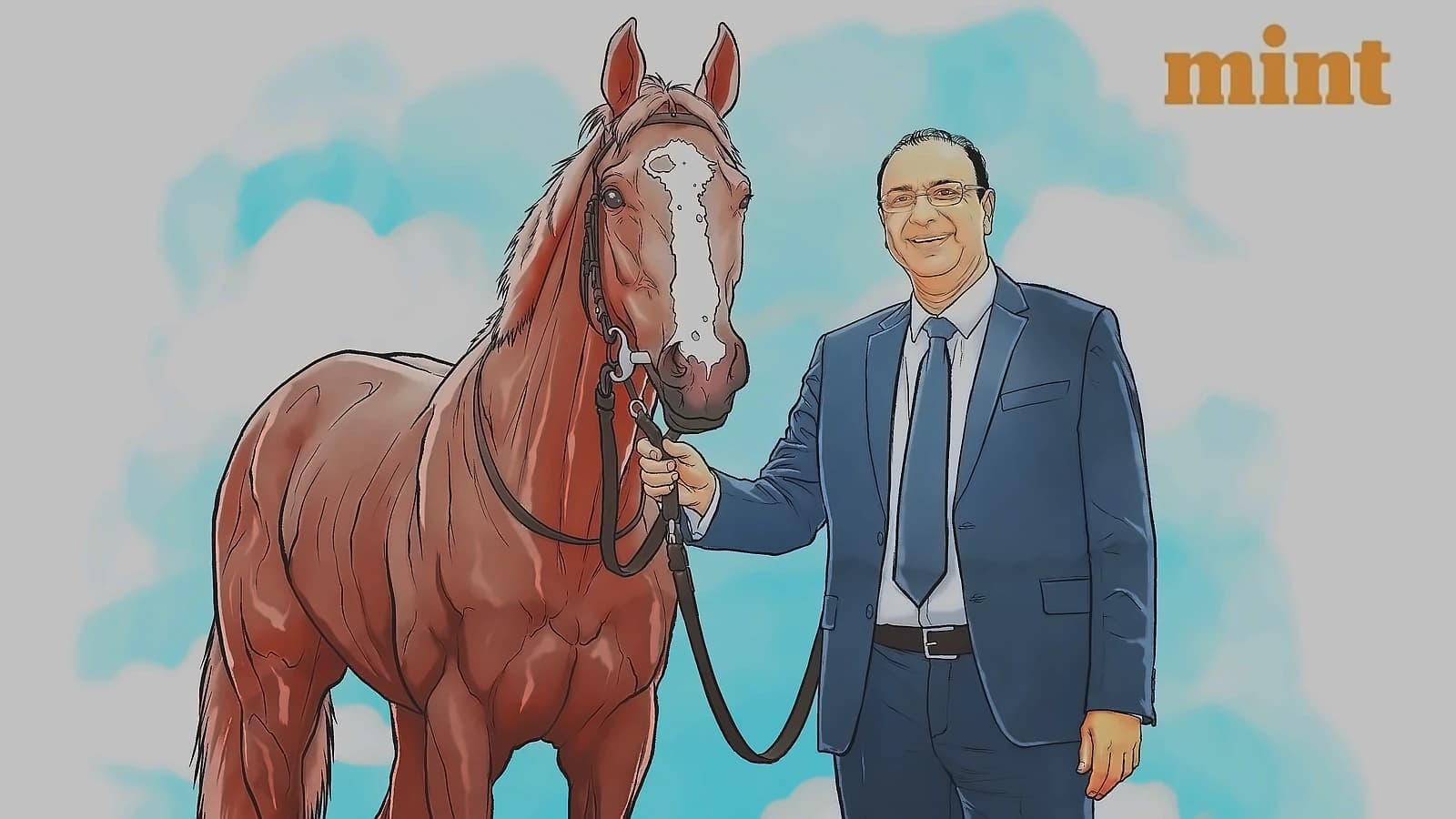
Shapoorji Pallonji Group is negotiating with lenders for a bond repayment extension of approximately ₹3,500 crore due September 30 on a zero-coupon bond issued by its financing arm Porteast Investment. According to The Economic Times, the group is seeking an extension of three to six months as it continues to work on refinancing its debt. The repayment extension comes as proceeds from financing transactions completed in July were expected to help service the maturity, but the group is now seeking additional time. A SP Group spokesperson did not immediately respond to request for comment regarding the negotiations.
SP Group's dollar bond has gained significantly in the secondary market, with the 3-year bond issued by Mercury Finance in July last quoted at about 101.625 cents to the dollar, compared with an issue price of 100. As per The Economic Times, the bond was issued at a 14.5% yield and was quoted at around 12.5%-13% in the secondary market. The rise in the dollar bond's price shows that investors are now accepting a substantially lower yield than the 14.5% at which the security was issued, according to market sources. The bond was part of the group's refinancing programme, where in July, SP Group raised $650 million through the Mercury Finance dollar bond, alongside rupee zero-coupon bonds issued by Eqyizen Investment at a yield of 18.95%.
The Reserve Bank of India's decision to mandate Tata Sons' listing has significantly improved the outlook for Shapoorji Pallonji Group's dollar bonds, ending regulatory uncertainty that had previously weighed on investor sentiment. According to Reuters, this development provides a clearer path for monetizing the SP group's stake in Tata Sons, with investors who financed the SP group at high yields now anticipating improved risk rewards. The regulatory push is expected to allow the SP Group to monetise at least a part of its more than 18% stake in the Tata Group holding company and help reduce balance sheet pressures. The RBI's refusal to relax listing rules for Tata Sons came on September 11, when the regulator rejected Tata Sons' request to surrender its registration as a core investment company and directed the company to take the necessary steps to comply with the relevant regulatory framework.
Before the RBI decision, brothers-in-law Noel Tata and Shapoorji Mistry had explored a settlement under which SP would monetise part of its Tata Sons holding for ₹25,000 crore. According to The Times of India, Noel had even tabled a proposal at Thursday's board meeting, which he said came from SPG, involving Tata Sons buying out shares held by SPG's investment firms, Sterling Investment Corporation and Cyrus Investments, in two tranches. However, the talks evidently failed to yield an agreement due to differences over the valuation of SPG's stake in Tata Sons. Typically, a holding company is valued by the stock market at a discount to the total worth of its investments in group companies. Mistry's statement on Friday made no mention of differences between the two sides in arriving at the right price, though he emphasized that an IPO would provide SP more leverage and liquidity to pare debt and help unlock value for shares whose stakes have long been tied to Tata Sons' private status.
The RBI decision has deepened a rare public rift between two of Tata Sons' largest shareholders, with SP Group chairman Shapoorji Pallonji Mistry taking the contrary view to Tata Trusts chairman Noel Tata. As per The Times of India, Mistry described a public listing as a "social and moral imperative" and cast the RBI ruling as an opening for reconciliation, saying "This should not be viewed as a victory of one stakeholder over another. It should be viewed as an opportunity to bring people and institutions together." He invoked the "exemplary leadership" of PM Modi, particularly his commitment to strengthening institutions and enabling transparent governance. Mistry urged Tata Sons, Tata Trusts and other stakeholders to approach a listing in a "spirit of harmony and shared purpose" and emphasized that "NextGen should inherit not a legacy of division, but a legacy of cooperation." He argued that a listed Tata Sons would broaden participation, improve governance, provide greater visibility on value, and pave the way for a more equitable dividend policy while protecting investors' interests, directly contesting Noel's framing that a listing would "destroy" Tata Sons' character and strike at the heart of an operating model that has stood the test of time for more than a century.