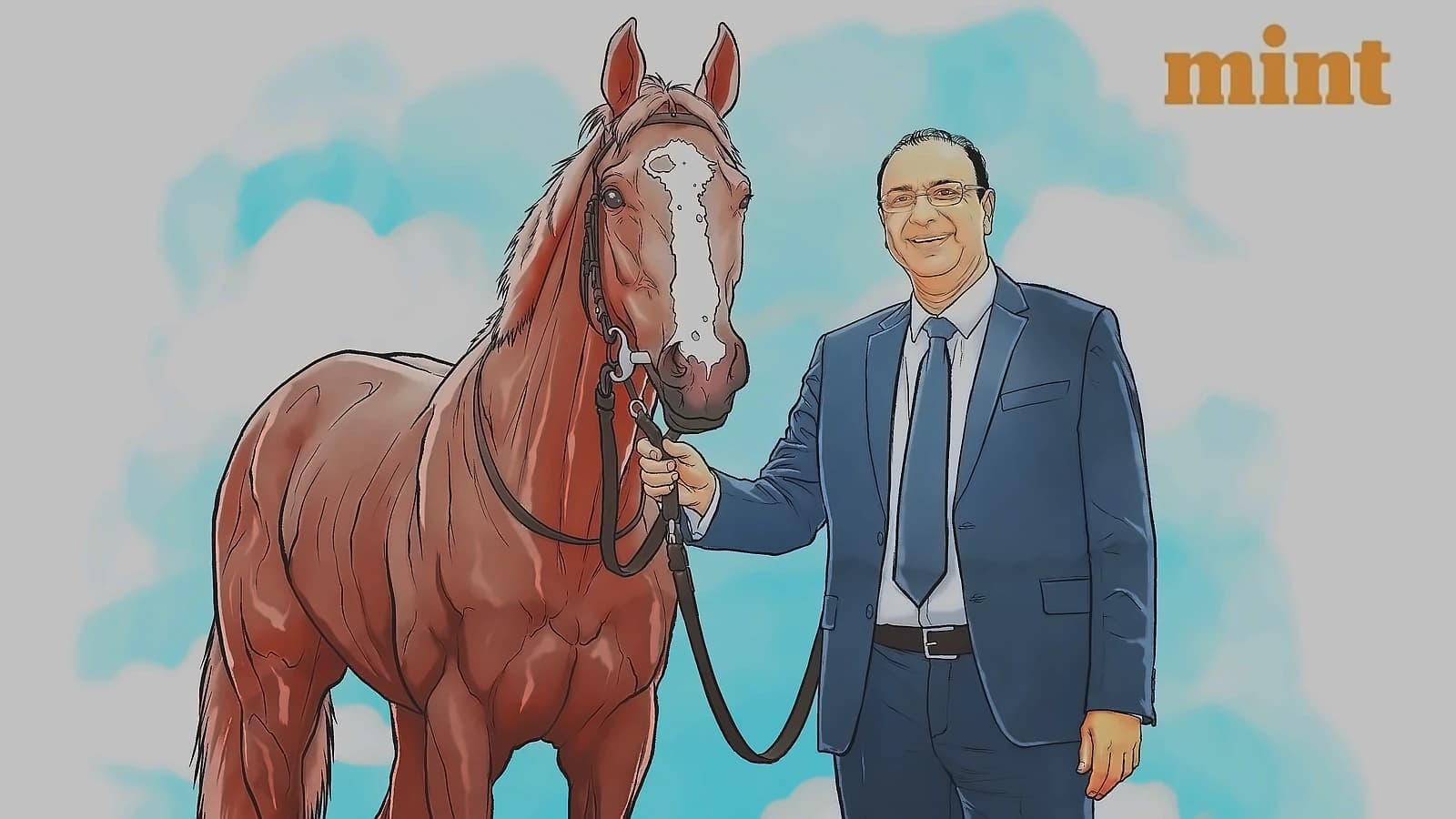
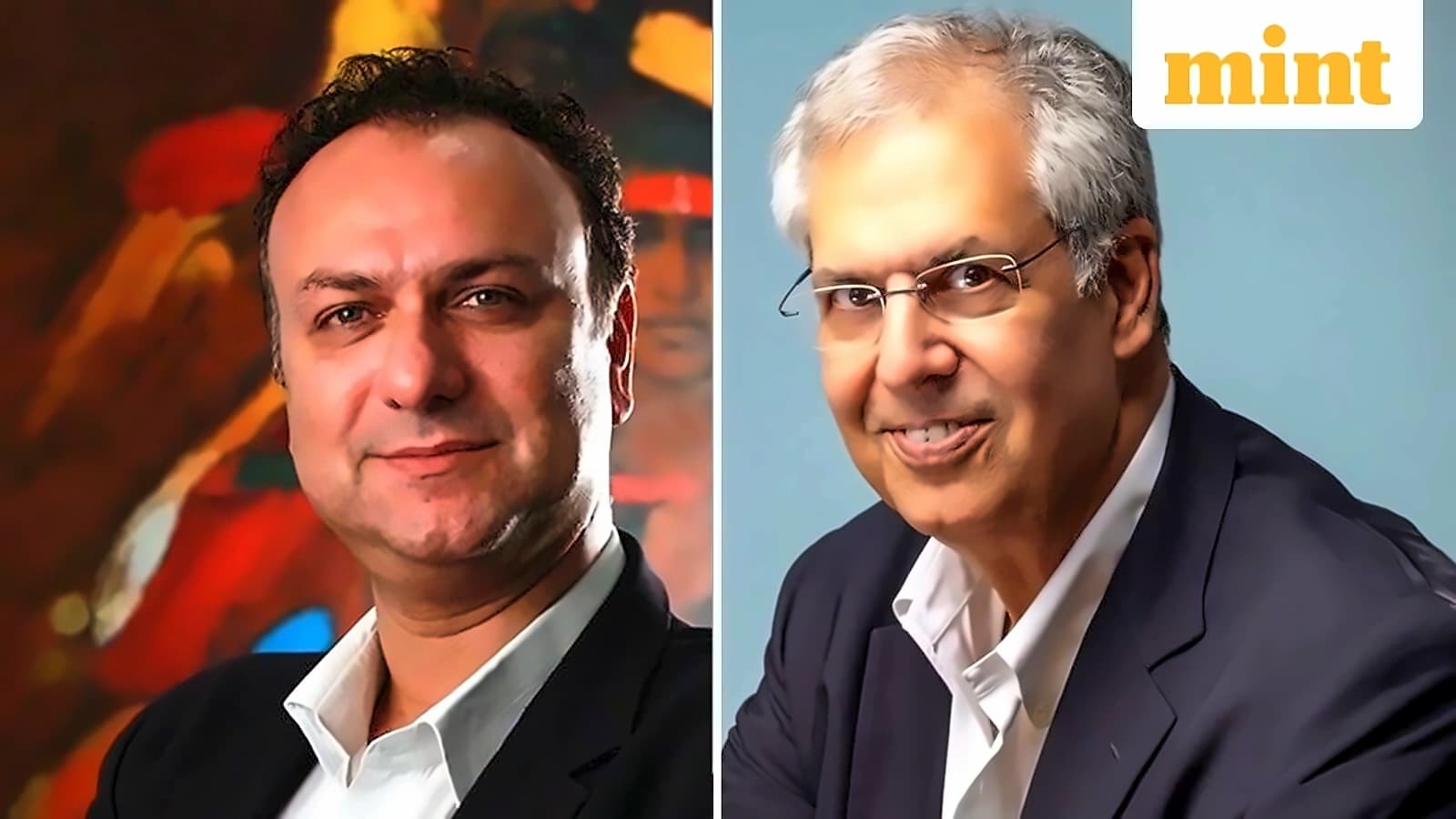
On 17 September, Tata Trusts chair Noel Tata presented an unusual proposal to the Tata Sons board: an offer from the Shapoorji Pallonji (SP) group to sell back up to three percentage points of its 18.37% stake in the Tata group holding company for approximately ₹25,000 crore. According to Mint reports, this proposal was designed to stave off a mandatory listing of Tata Sons. The deal structure involved a selective capital reduction in two tranches over 18 months at prices determined by the income-tax department's Rule 11UA framework for unquoted assets. The arithmetic reveals the scale of the challenge - approximately ₹25,000 crore for a roughly 3% stake values Tata Sons at about ₹8.3 trillion, while the SP Group's Mistry family holding is valued at barely ₹1.5 trillion.
The Tata Sons board rejected the Mistry family's exit offer by a 4:1 vote, with Noel Tata as the lone dissenter. As reported by Mint, the board instead gave N. Chandrasekaran five more years as chairman and set the listing process in motion. This decision came just six days after the Reserve Bank of India (RBI) refused to allow Tata Sons to surrender its core investment company (CIC) registration and exit the upper-layer non-banking financial company (NBFC) framework, which had been the primary route out of mandatory listing requirements. The RBI's rejection made the listing process inevitable, prompting Shapoor Mistry to change his position the following day.
The SP group faces severe financial constraints with industry estimates of group-wide debt running as high as ₹60,000 crore. In July, the group closed one of India's largest private-credit deals: ₹15,100 crore of three-year zero-coupon rupee bonds issued through Eqyizen Investment at a yield of 18.95%, plus $650 million of dollar bonds at 14.5%. According to Moneycontrol reports, the SP group has repaid around ₹3,500 crore to bondholders after lenders agreed to extend fresh loans. The terms require repayment of ₹3,500 crore by the end of September and approximately ₹13,500 crore within 24 months. Credit rating agency Icra retained flagship Shapoorji Pallonji and Co. Pvt. Ltd (SPCPL) at BBB- with a negative outlook, citing stretched liquidity and weak coverage indicators.
The Mistry family's Tata Sons stake originated from the 1926 division of J.R.D. Tata's inheritance, where the five siblings each received 1/5th of the company including shares. The Mistrys acquired their stake through purchases from J.R.D. Tata's sister Rodabeh (5.9% in 1967), the Ratan Tata Trust (4.81% in 1969), and J.R.D. Tata's estranged brother Darab (6.68% in 1974). The family's relationship with the Tatas deteriorated significantly after Cyrus Mistry's ouster in October 2016, with the Tatas stopping business dealings and converting Tata Sons from a public to private limited company in 2017. The Supreme Court sided with the Tatas in March 2021, though it did not permanently bar pledging the shares.
Shapoor Mistry now holds four potential strategies for unlocking value from the Tata Sons stake. The most attractive option involves selling the 3% stake after Tata Sons' listing at a valuation of ₹12-12.5 trillion, which would be worth ₹36,000-37,500 crore and clear the Eqyizen debt while retaining approximately 15% of the company. Alternative strategies include taking the Trusts' buyback offer, swapping into listed Tata shares, or selling the group's ₹34,000 crore Afcons order book. The SP group's ₹60,000 crore debt burden, combined with the ₹25,000 crore Eqyizen paper, creates significant financial pressure that makes monetizing the Tata Sons stake increasingly urgent. According to S&P analysis, a potential stock market listing of Tata Sons could reshape support for Tata Group firms over time, with leadership changes and ownership restructuring potentially having broader implications for the conglomerate's operations.