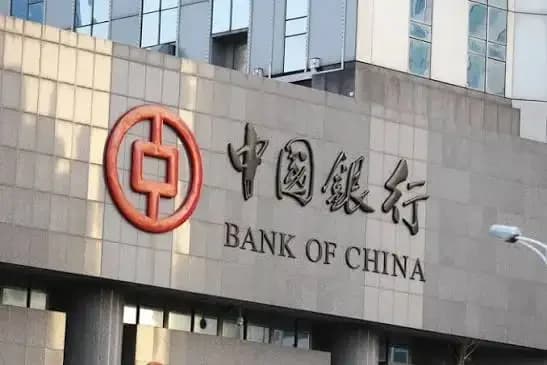
China's Ministry of Finance issued €5 billion (approximately $5.7 billion) of euro-denominated sovereign bonds in Luxembourg on June 25, marking the largest euro deal by any Asian sovereign and the tightest spreads on record. The three-tranche deal drew €24.8 billion in orders, representing an oversubscription of nearly five times the amount on offer. The bonds were priced at 2.768% coupon for five-year notes, 2.966% for eight-year notes, and 3.212% for 12-year notes, with the Ministry of Finance pricing the deal at the tightest spreads on record. Bank of China, Bank of Communications and Crédit Agricole CIB acted as joint lead managers for the transaction.
Asian bonds attracted their largest foreign inflows in seven months during June, with foreign investors buying a net $11.51 billion worth of regional bonds across South Korea, Indonesia, Malaysia, Thailand and India. According to The Economic Times, this represents the largest monthly net purchase since November 2025, driven by lower oil prices and strong technology demand that improved the region's economic outlook. Brent crude fell 20.8% in June and hit a four-month low, easing inflationary pressures in major Asian oil importers, while investors sought safer fixed-income assets amid equity market concerns.

Indian bonds saw net foreign purchases of $3.24 billion, marking the largest monthly inflow since June 2017, after New Delhi scrapped capital gains tax on income from interest or sales of government securities for overseas investors. South Korean bonds recorded net foreign inflows of $2.2 billion, their seventh monthly cross-border inflow in eight months. Indonesian bonds attracted a net $5.5 billion, the largest cross-border inflow since May 2024, with most inflows going into SRBI (Sekuritas Rupiah Bank Indonesia) as investors continue to be attracted by Indonesia's relatively high yields. Malaysian bonds drew $1.21 billion worth of inflows, while foreigners sold a net $627 million of Thai bonds.
The June selling activity coincided with significant policy announcements from Beijing and Hong Kong aimed at boosting financial connectivity and yuan internationalization. The southbound Bond Connect quota increased, while yuan liquidity support expanded significantly. Hong Kong launched new gold clearing infrastructure and revived gold futures trading, with authorities developing electronic platforms for bond and foreign exchange trading to reinforce Hong Kong's role as a global financial hub.
The record euro bond issuance represents a strategic shift toward diversifying China's foreign-currency borrowing away from the United States amid strained trade relations. As reported by China Daily, Song Qichao, a vice minister of finance, cast the issue as a building block of the relationship between Beijing and Brussels, stating "I am confident that China and Luxembourg will continue to move forward hand in hand, build bridges for dialogues between China and Europe, and jointly write a new chapter in China-Europe financial cooperation." The euro has drawn safe-haven flows during recent market stress, with net foreign portfolio inflows into the euro area running into the hundreds of billions over the past year, helping China secure favorable funding conditions.