India's debt capital market must expand significantly to support the country's economic ambitions, according to a Crisil report. The ratings agency estimates that India Inc alone will require ₹130-140 trillion of debt funding during FY27-31, representing approximately 1.7 times the amount raised in the previous five years. This massive funding requirement underscores the limitations of traditional banking channels, as gross bank credit currently stands at around 62 per cent of GDP compared to the debt capital market's 22 per cent. The report warns that India's banking system cannot fund the country's ambition of becoming a $30-trillion-plus economy by 2047 on its own. Crisil has now specifically warned that the current state of the financial ecosystem is most likely to create a "funding gap" in the medium term, which can adversely impact growth.
According to Crisil, India's non-sovereign debt is projected to rise from around 84 per cent of GDP currently to nearly 150 per cent by 2047. The corporate bond market has shown modest growth, with outstanding corporate bonds reaching ₹59.1 lakh crore after growing at an annual rate of around 11 per cent over the past six years. However, corporate bonds still account for only 22 per cent of the domestic debt capital market, while government securities dominate at 74 per cent. Corporate bond issuances have remained relatively stable, declining marginally to ₹10.9 trillion in FY26 from a record ₹11 trillion in the previous year. A high quantum of government security issuances is crowding out the corporate bond market, as noted by Crisil.
The corporate bond market remains highly concentrated, with more than 80 per cent of outstanding corporate bonds rated AAA or AA. Government-owned entities and financial institutions have accounted for over 80 per cent of issuances since FY23. Retail and foreign investors together hold less than 10 per cent of outstanding corporate bonds. According to Crisil, growth in the corporate bond market only tells half the story, as the activity continues to face challenges like issuances concentrated in the high-rated categories, a shallow repo market, low liquidity in the secondary market and limited retail participation. The agency notes that weak secondary market liquidity presents a key constraint, with average daily trading turnover remaining below 0.25 per cent of outstanding corporate bonds for a decade. Insurance and pension funds have less than 3 per cent exposure to non-government and non-AAA debt.
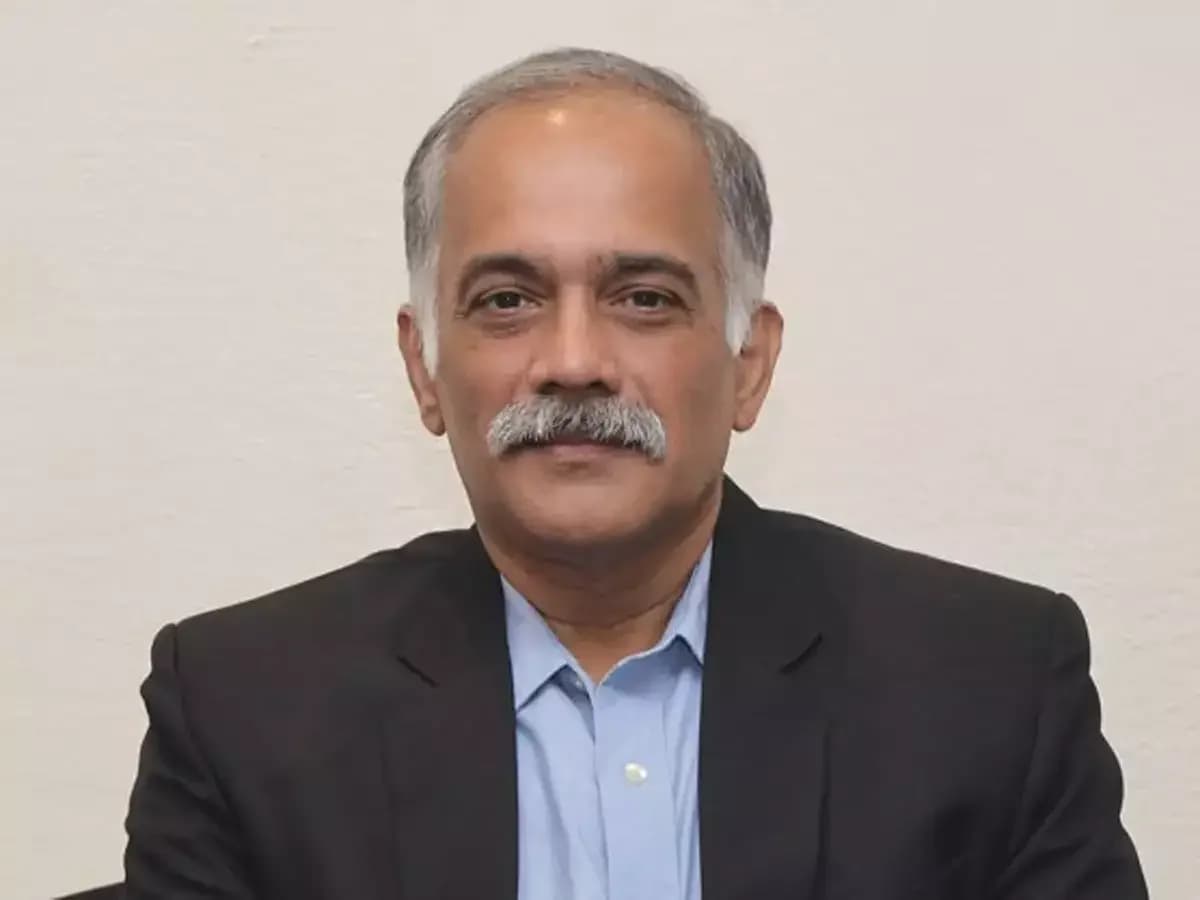
To address these challenges, Crisil has recommended several regulatory and market infrastructure changes. The agency calls for regulatory changes to encourage investments in A- and BBB-rated corporate bonds, development of a covered bond market through dedicated legislation, government support for securitisation, and greater use of municipal bonds to finance urban infrastructure. As noted by Crisil's Somasekhar Vemuri, the debt capital market capable of financing Viksit Bharat will require a broader issuer base, deeper investor participation across the ratings spectrum, and a more vibrant secondary market trading ecosystem to strengthen price discovery. Recent developments include tax exemptions for foreign investors in government securities expected to provide impetus to the domestic corporate bond market by creating demand from investors previously limited to holding government securities. The report emphasizes that greater investor diversity supports transparent pricing, improves risk distribution and fosters resilient growth across economic cycles.