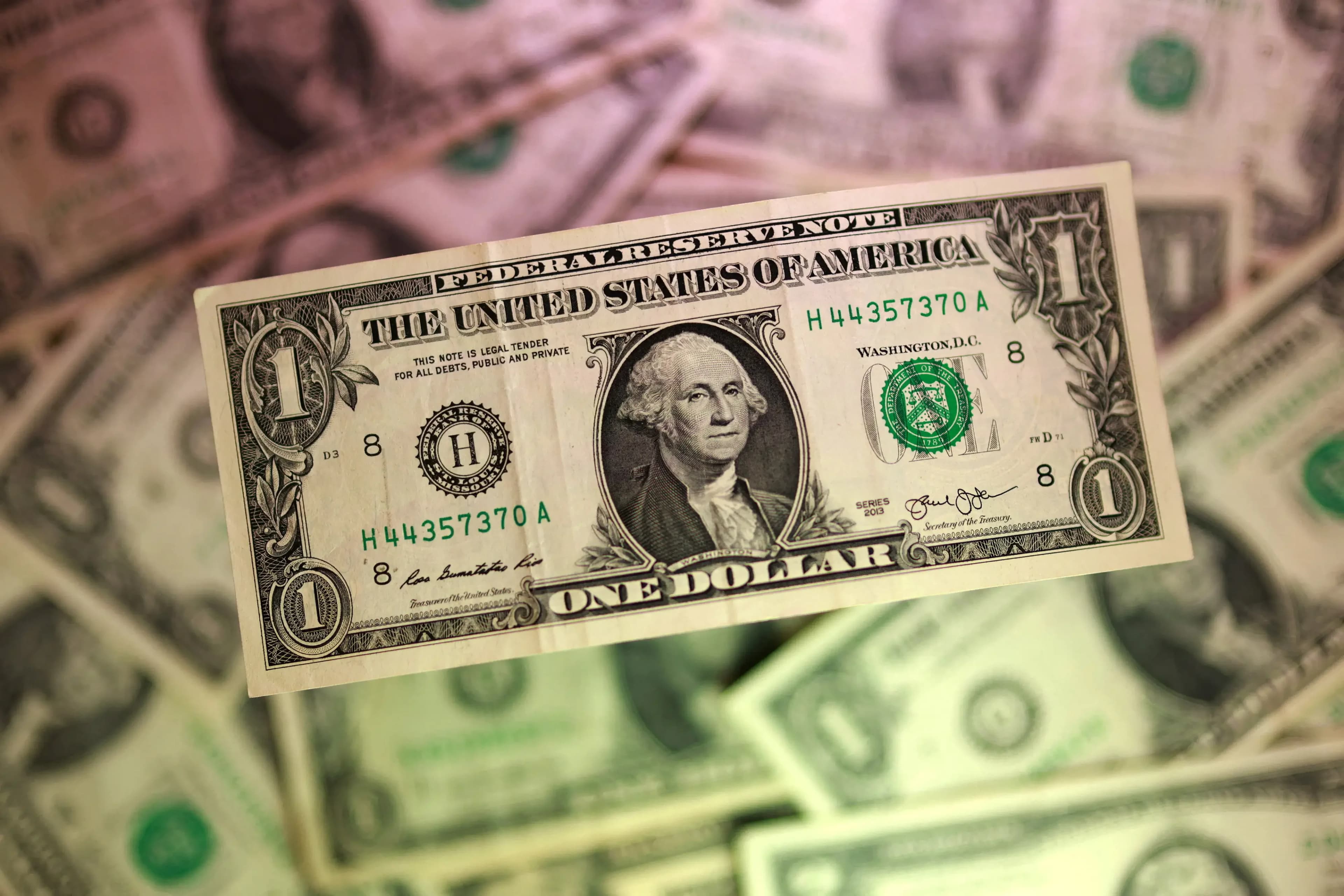
The US dollar eased on Monday after posting its biggest gain in nearly six months on Friday when robust US jobs data boosted bets for higher interest rates. According to reports from The Economic Times, the dollar had rallied almost 0.8% as stronger-than-expected data showed jobs growth accelerated in October while the unemployment rate fell. The US dollar index, which measures the currency against six major rivals, dipped 0.3% to 101.87, still close to levels hit on Friday when the dollar rally looked stretched relative to short-term market drivers. The dollar also received support from a 3.3% drop in Brent crude futures after US President Donald Trump downplayed the likelihood of renewed strikes on Iran, as reported by Reuters.
The dollar's retreat was supported by improved market sentiment on Monday, as reported by The Economic Times. The currency also received support from a 3.3% drop in Brent crude futures after US President Donald Trump downplayed the likelihood of renewed strikes on Iran. Francesco Pesole, FX strategist at ING, noted that the macro backdrop should prevent the dollar from falling to last week's lows, though the market will be monitoring US consumer inflation data due on Tuesday. According to Reuters, the dollar rally required the risk-off mood to persist this week, with some moderate correction risk if the risk-off sentiment doesn't continue.
Major currencies staged significant rebounds against the dollar, with the euro rising 0.4% to $1.1188 after falling 0.7% on Friday and hitting a low of $1.1132, not far from the trough hit a week earlier of $1.1105, the weakest since May 2025. As reported by The Economic Times, sterling rose 0.5% to $1.3412 and the dollar eased 0.3% to 157.91 yen following Friday's 0.6% jump. The risk-sensitive Australian and New Zealand dollars also rallied, with the Aussie rising 0.5% to $0.6895 and New Zealand's kiwi jumping 1.2% to $0.5611.
Tuesday's US consumer price index data is expected to show a monthly rise of 0.3%, according to a Reuters poll, which should help cement expectations for a December Fed hike, as reported by The Economic Times. Futures imply around 81% odds the US Federal Reserve will raise rates on December 9, higher than a week earlier. Bets on Fed tightening next month had been receding given the rout in global tech stocks, driven by investors' concerns about the outlook for AI investment, profitability and regulations, particularly after Democrats won the US midterm elections last week. The AI stock rout at the end of last week drove investors to seek safe-haven assets, providing additional support for the dollar.
Despite AI trade concerns, economic realities continue to surprise to the upside with strong data momentum across indicators, according to Barclays strategists cited by The Economic Times. The combination of strong economic data and potential Fed rate hikes supports the dollar's appeal, even as investors weigh the implications of too-close-to-call weekend elections in New Zealand. The dollar's resilience reflects the ongoing tension between AI investment concerns and robust economic fundamentals that continue to support monetary policy tightening expectations.