Moody's has trimmed India's GDP growth forecast to 6% for fiscal 2026-27, down from the earlier projection of 6.8%. According to Moody's report dated March 31, the downgrade is attributed to India's economic exposure to the ongoing military conflict in the Middle East. The rating agency expects real GDP growth to moderate due to subdued private consumption, softer industrial activity and weakening momentum in gross fixed capital formation amid elevated prices and higher input costs. This revision aligns with the OECD's projection of 6.1% growth for the current fiscal, while domestic rating agency Icra expects growth to moderate to 6.5% in FY27.
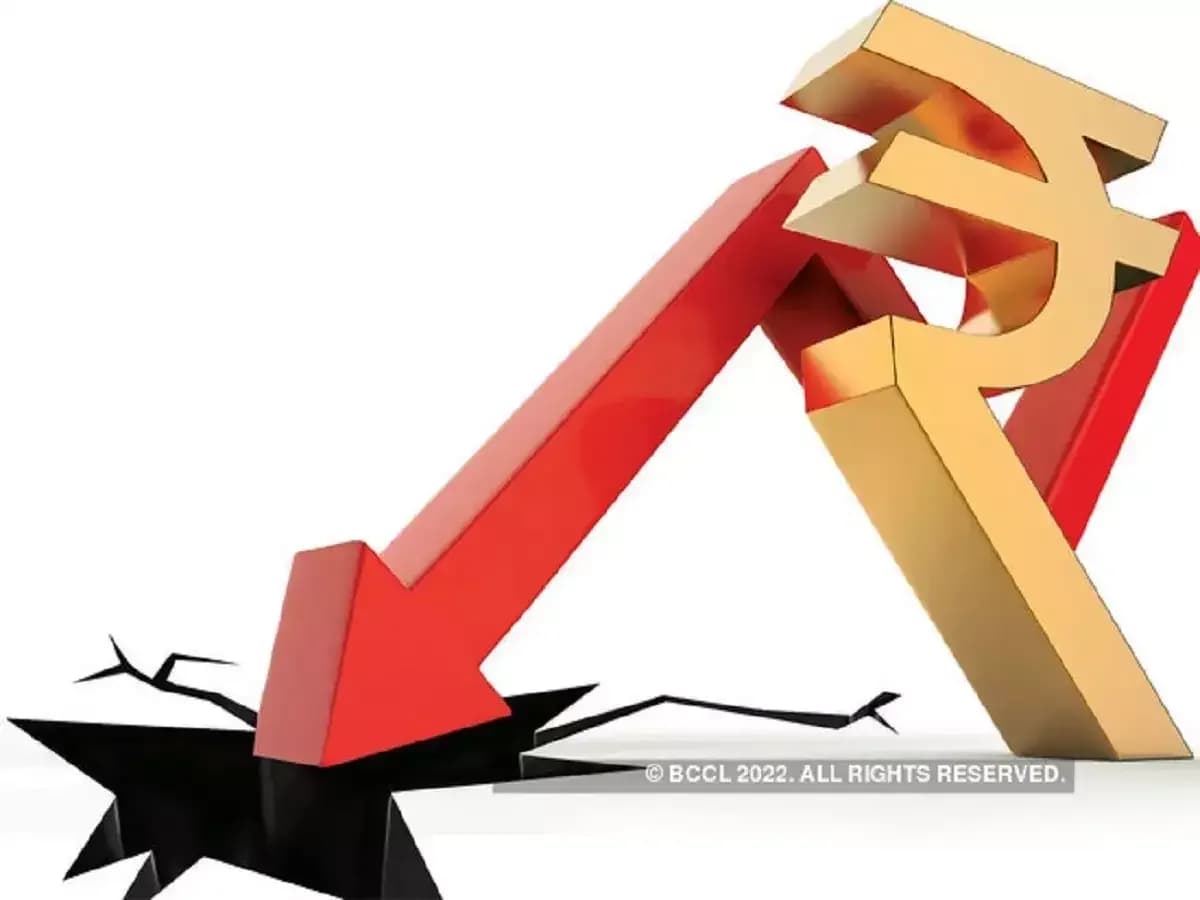
The Indian rupee is positioned for a higher opening on Monday, with traders expecting the currency to trade in the 92.80-92.90 range versus the US dollar. According to The Hindu BusinessLine, this recovery comes after the rupee jumped 1.8% last week, marking its best performance in over four years. The currency had settled at 93.10 on Thursday before the anticipated Monday opening. Indian financial markets remained closed on Friday for Good Friday, contributing to the currency's recent stability.
The rupee's strength is primarily attributed to spillover effects from the Reserve Bank of India's recent regulatory actions. As reported by The Hindu BusinessLine, the RBI imposed position limits on banks and corporates, effectively curbing onshore-NDF arbitrage activity. This regulatory intervention triggered an unwinding of bank positions, leading to dollar selling in the onshore market. Banks are required to reduce their positions to RBI-mandated levels by April 10, with several banks already cutting positions and moving below new limits.
Global crude prices have risen by almost 50% since the US and Israel launched military strikes against Iran on February 28, triggering sweeping retaliation from Tehran. The West Asia region accounts for around 55% of crude oil imports and over 90% of liquified petroleum gas (LPG) supplies to India. Moody's projects inflation to average 4.8% in FY27, up from 2.4% in FY26, with geopolitical risks tilting the inflation outlook to the upside. Elevated oil, gas and fertiliser prices are expected to intensify pressures on targeted subsidies, resulting in higher outlays alongside revenue erosion compared to the budget.

Foreign investor sentiment remains weak, with continued outflows from Indian equities creating additional pressure on the rupee. As reported by The Hindu BusinessLine, foreign investors withdrew nearly $1 billion on Thursday after pulling out over $12.5 billion in March. The recent cut in excise duty on petrol and diesel will hurt tax receipts, while persistently high input costs weigh on household consumption and compress corporate profitability. Moody's expects higher expenditure commitments and weaker revenue mobilisation to constrain fiscal space and slow the pace of fiscal consolidation in the absence of offsetting revenue measures.