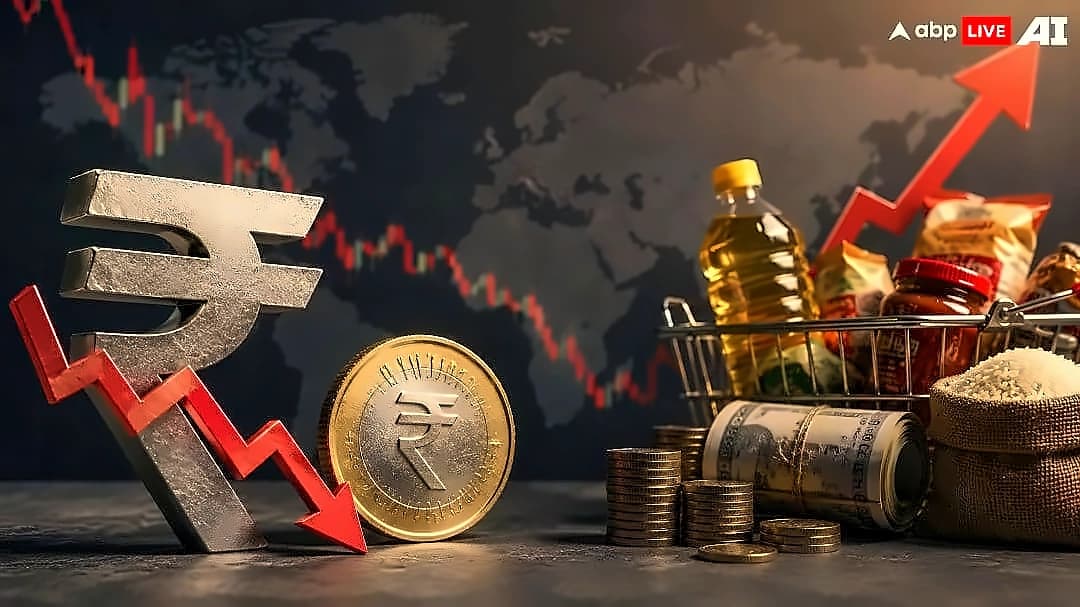
The Indian rupee has achieved a significant milestone by sliding to a record low near ₹97 against the US dollar, marking another historic low in its ongoing depreciation trend. According to latest reports, this development coincides with the currency hitting another all-time low of ₹92.52 against the dollar amid surge in crude oil prices. The sharp decline has raised concerns over rising import costs, inflationary pressure and increased volatility in financial markets. A weaker rupee makes imports such as crude oil and other essential commodities more expensive for India, potentially impacting domestic prices significantly.
The rupee has experienced significant depreciation during the current calendar year, with the currency depreciating nearly 7.7% during the current year and close to 13% year-on-year. As reported by The Economic Times, this fiscal year has failed to reverse the unflattering trend of FY26, when the rupee had lost the most in 14 years against the dollar. The spot market closed at ₹96.83 against the dollar, representing a 30 paise decline from the previous close, with the currency touching ₹96.96 per dollar during intraday trading.
Foreign institutional investors have significantly impacted the rupee's performance, with ₹2.65 lakh crore withdrawn from Indian markets in 2026 so far, approaching last year's total exit of ₹3.04 lakh crore. According to The Economic Times, the currency weakness is being driven by unabated dollar outflows and negative market sentiment amid elevated crude prices. KN Dey, a forex market consultant, noted that the speed of the rupee's descent since May 11 has caught the market off-guard, with downward pressure fueled by higher energy prices and aggressive FII capitulation. Market analysts said investor sentiment turned cautious after US bond yields surged amid expectations that interest rates in the United States may remain high for a longer period, with the yield on the 30-year US Treasury bond reportedly climbing above 5%, nearing levels seen during the period before the 2008 global financial crisis.

Ongoing geopolitical tensions, including uncertainty linked to the Iran situation and fluctuations in global crude oil prices, have further added to pressure on currency markets. As reported by multiple sources, crude oil prices have climbed to ₹114 per barrel, with oil potentially hitting ₹120 if West Asia conflict drags on. The stronger dollar and higher global yields have triggered pressure across several emerging-market currencies, with the Indian rupee among the worst affected during the latest trading session. Crude oil availability is in full flow from all Non-Hormuz routes, according to government officials, though domestic fuel supply remains stable with no shortage of petrol and diesel reported.
Market experts suggest that while the pace of depreciation may continue, there are potential catalysts for recovery. VRC Reddy, treasury head at Karur Vysya Bank, indicated that the market's immediate battlefield remains around the ₹97 level, which may determine whether panic deepens further or the rupee begins to reclaim lost ground. As reported by The Economic Times, a rebound in the rupee or slowing pace of retreat against the dollar hinges on lower crude oil prices or solutions to geopolitical tensions in West Asia. Reddy noted that any favourable shift in global developments, easing in crude prices, or reduction in geopolitical tensions may trigger a sharp technical appreciation in the rupee. The current crisis has created additional challenges with 24 flights being operated to facilitate movement of stranded passengers amid West Asia tensions, while 100% assured supply of domestic piped gas to homes and CNG for vehicles has been assured by the Petroleum Ministry.