The Indian rupee strengthened 35 paise to 95.29 per dollar on Monday, opening at 95.34/35 against the previous close of 95.69/70. According to The Hindu BusinessLine, the currency has gained around 1.5% over the past three trading sessions, with the latest rally driven by Brent crude falling below $100 a barrel to about $96 per barrel, down 6%. This represents a notable turnaround from the fresh lifetime low of ₹96.83 reached earlier this month, when the rupee had depreciated 13 paise in nine consecutive sessions. The recovery comes as oil prices dropped on hopes of a US-Iran deal, providing much-needed relief to India's external finances which have been strained by the oil price shock caused by the war. In intraday trading, the rupee hit a high of 95.20 and a low of 95.44, showing significant volatility as markets react to geopolitical developments.

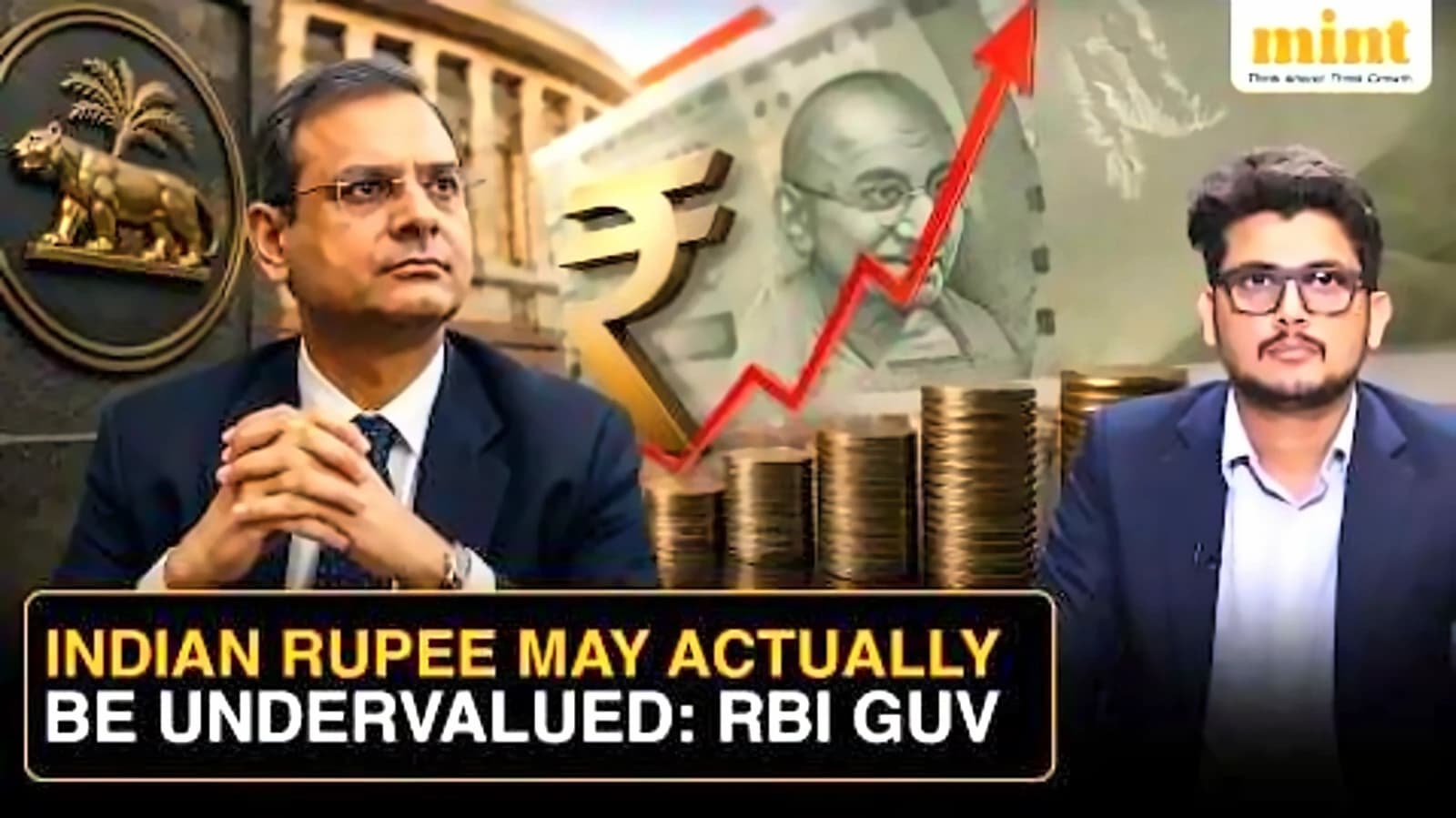
Reserve Bank of India Governor Sanjay Malhotra provided a significant boost to market sentiment by suggesting the rupee may be undervalued following its recent slide versus the dollar. As reported by The Hindu BusinessLine, Malhotra made these comments in an interview with Mint newspaper, stating that the currency may be undervalued after its recent decline. This marks an unusual development as it is unusual for the RBI Governor to provide a view on the rupee's valuation, but the comments have provided a positive trigger after one-sided depreciation in the currency. A gauge of the rupee's competitiveness against other currencies stood at 90.96 in April, the lowest since at least 2014, according to Bloomberg-compiled data, which shows the currency is undervalued against peers. Mecklai Financial Services noted that the RBI does not target any specific exchange rate level and would intervene only to curb abnormal and high volatility or undue speculation, providing clarity on the central bank's approach to currency management.
The rupee's recovery is being driven by significant geopolitical developments that are reshaping energy markets. According to The Hindu BusinessLine, the US and Iran are inching close to a peace agreement, brightening the possibility of the arterial Strait of Hormuz being opened up for crude oil trade. This development has provided substantial relief to India's external finances, as India, which imports more than 85% of its crude oil requirement, remains highly vulnerable to global oil price movements. The US-Iran negotiations have been a key factor in the rupee's recent performance, with any delay or breakdown in these talks potentially reversing the current improvement in global risk appetite. Mecklai Financial Services noted that the broad market narrative has temporarily shifted from inflation and aggressive monetary tightening toward geopolitical de-escalation and energy market normalization, though markets remain cautious about the sustainability of these developments.
Technical indicators suggest the rupee is showing positive momentum without reaching overbought conditions. According to The Hindu BusinessLine, the USD/INR pair is currently consolidating near 95.70, while RSI (Relative Strength Index) around 58 indicates positive momentum without overbought conditions. Immediate support is placed at 95.40-95.00, whereas resistance is seen around 96.10-96.70. The currency's recovery comes after significant challenges that have impacted its performance throughout the year, with the rupee having fallen 5.8% so far this year due to record foreign outflows from local stocks as the oil price shock caused by the war strains India's external finances. Market experts expect the currency to gain to 93.50-94 in the event of the US and Iran announcing a fresh ceasefire, though any delay in negotiations could quickly reverse the current improvement in global risk appetite.
The rupee's recovery provides relief from concerns over imported inflation, especially in sectors dependent on fuel and raw material imports. However, sustained recovery will depend on crude oil price trends, RBI intervention measures, capital flows and geopolitical developments in West Asia. Economists have warned that if the rupee approaches the psychologically significant 100-per-dollar level, the impact could be severe for inflation management, import costs and corporate balance sheets. The dollar's strength globally has intensified after investors shifted towards safe-haven assets amid uncertainty in global financial and commodity markets. Market participants will now closely watch these factors for further direction on the rupee, with the central bank expected to continue intervening intermittently to curb excessive volatility.