The Indian rupee appreciated 20 paise to settle at 95.41 against the US dollar on Tuesday, breaking its three-day losing streak as easing crude oil prices and a weaker dollar improved investor sentiment. According to The Times of India, the rupee opened at 95.47 and moved between an intraday high of 95.23 and a low of 95.67 before closing at 95.41, recovering from its previous close of 95.61 on Monday. The currency's recovery comes after the rupee had declined 43 paise to close at 95.61 against the US dollar on Monday, as reported by Business Standard. Forex traders said the domestic currency also drew support from positive domestic equities, softer US Treasury yields and likely intervention by the Reserve Bank of India, providing much-needed relief to the beleaguered currency.
The government introduced the Income-tax (Amendment) Ordinance, 2026 on June 5 and made it effective retrospectively from April 1, 2026, granting eligible foreign investors significant tax exemptions on government securities investments. As per NDTV Profit, Foreign Institutional Investors and Foreign Portfolio Investors will no longer pay the 12.5% long-term capital gains tax on listed G-Secs held for more than one year, nor the 20% withholding tax on interest income that applied until now. This represents a major shift in India's approach to attracting foreign capital, particularly as net outflows from overseas portfolio investors touched US$ 13.7 billion in the current financial year. The rupee continues to face pressure from a risk-off global environment fuelled by the ongoing US-Iran conflict, making these tax exemptions crucial for stabilizing foreign investor sentiment.
Indian shares rose sharply on Tuesday, with the Sensex gaining 394.50 points to close at 73,918.76 and the Nifty advancing 119.10 points to end at 23,242.10, according to The Times of India. This positive equity performance provided crucial support to the rupee's recovery. Escalating tensions in West Asia and rising crude oil prices continue to weigh on market sentiment, with Brent crude falling 2.04% to $92.33 per barrel in futures trade, providing significant relief to oil-importing nations like India. The dollar index, which measures the greenback against a basket of six currencies, was trading 0.24% lower at 99.80, adding to the rupee's recovery momentum. Foreign institutional investors (FIIs) sold equities worth ₹4,566.03 crore on a net basis during the session, as reported by The Economic Times.
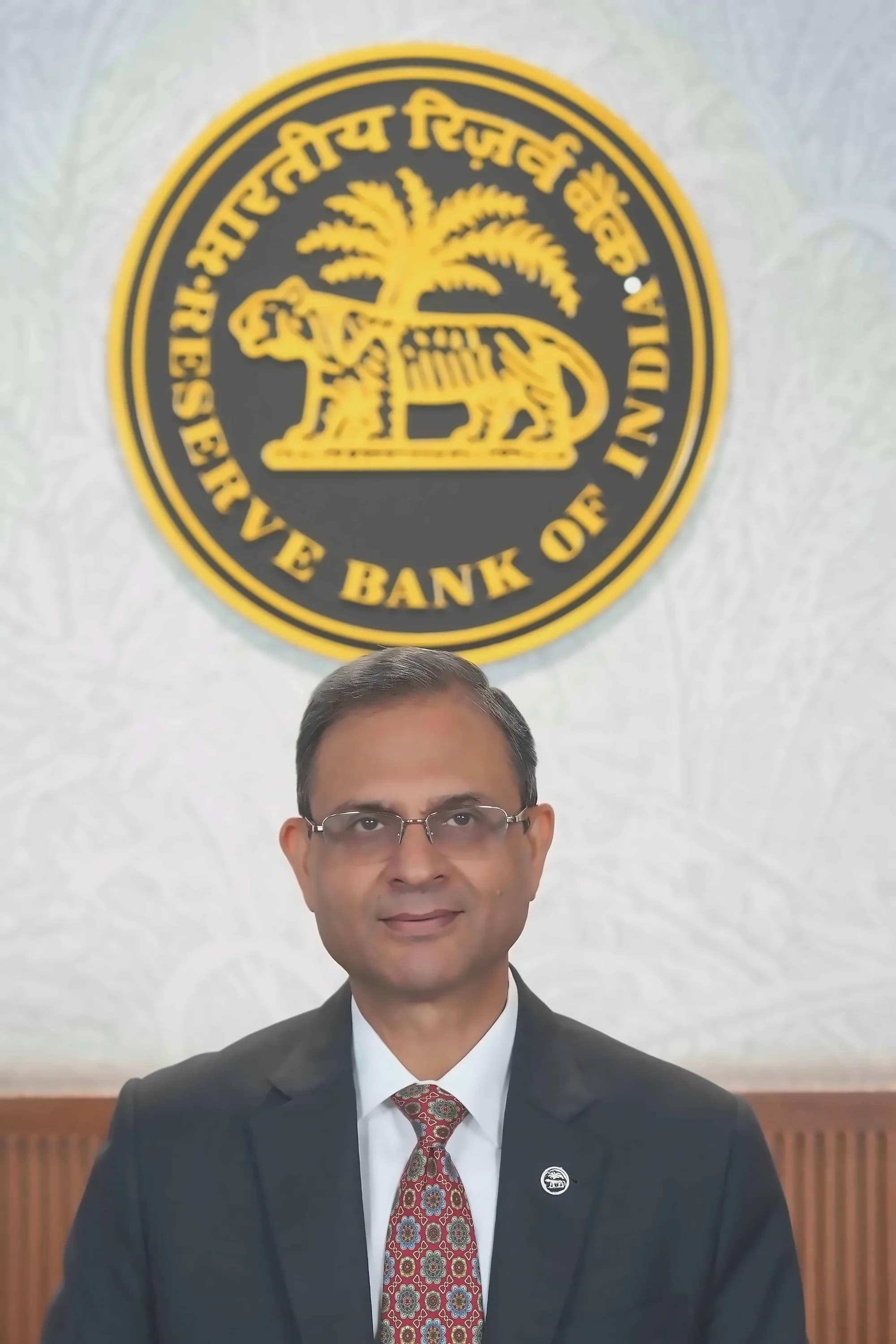
Reserve Bank of India Governor Sanjay Malhotra announced several comprehensive measures to attract foreign capital and strengthen India's balance of payments position amid the US-Iran conflict. As per The Economic Times, the RBI rolled out several initiatives to attract U.S. dollar inflows, aiming to bolster India's balance of payments position in a period when the war in the Middle East has pushed up oil prices, spurred equity outflows and helped send the rupee to successive record lows. Kunal Sodhani, head of treasury at Shinhan Bank India, noted that the FCNR-B (foreign currency non-resident-bank) swap window and FAR expansion are likely to deliver the largest and fastest inflows, with a realistic base-case estimate of $25-30 billion, with upside potential if global bond investors increase allocations to India amid relatively attractive real yields. The Centre's simultaneous removal of taxes on foreign investment in Government Securities (G-Secs) is the force multiplier, as it addresses the single biggest friction flagged by global bond funds and index providers.
The rupee also found significant support from India's external sector data released this week. RBI data showed India recorded a current account surplus of $7.1 billion, or 0.7% of GDP, in the January-March quarter of 2025-26, aided by higher services exports and remittances, as reported by The Times of India. The surplus stood at $13.7 billion, or 1.4% of GDP, in the corresponding quarter of 2024-25, indicating a notable improvement in India's external position. However, for the full fiscal year 2025-26, the current account deficit stood at $25.2 billion, or 0.6% of GDP, compared with $22.9 billion, or 0.6% of GDP a year earlier. Market participants also tracked geopolitical developments after US President Donald Trump reportedly urged Israeli Prime Minister Benjamin Netanyahu not to retaliate against Iran's latest missile attacks, warning that it could derail ongoing efforts to secure a peace agreement, according to The Times of India.