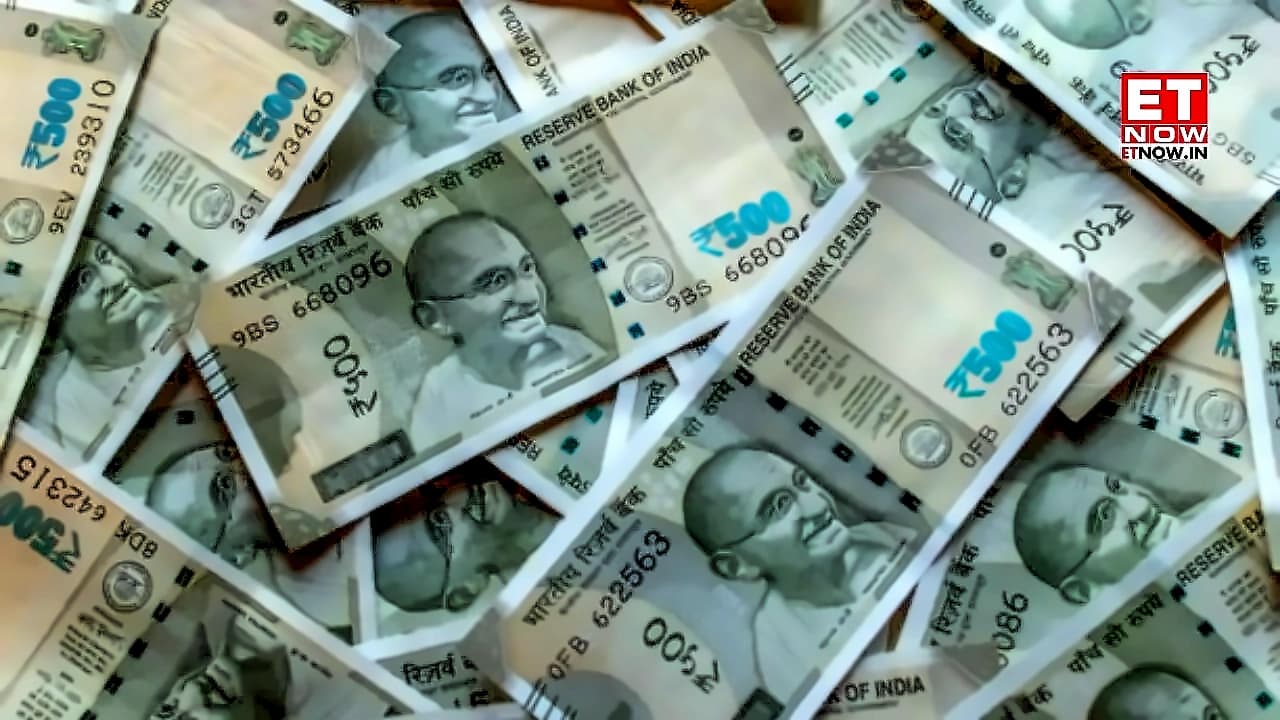
The Indian rupee has achieved a fresh record low of 96.86 per US dollar, marking a significant milestone in the currency's recent performance. According to reports from ET Now, this represents the lowest level ever recorded for the Indian currency against the US dollar. The rupee's decline reflects mounting pressure from multiple external factors affecting India's currency stability. The currency opened at 96.86 on Wednesday compared with Tuesday's close of 96.53, and further slipped to an all-time intraday low of 96.89. The domestic currency breached the psychologically key 96 mark for the first time on May 15, signaling a significant shift in currency dynamics.
The primary driver behind the rupee's weakness has been a sharp spike in oil prices, which has created significant pressure on India's import bill. As reported by ET Now, the surge in crude oil costs is directly impacting India's external account and contributing to the currency's depreciation. Global oil prices surged past the USD 110 mark, driven by escalating tensions in West Asia and heightened geopolitical uncertainty. Brent crude remained elevated around USD 111 per barrel on Wednesday. The ongoing conflict has raised fears of prolonged disruptions to energy supplies, significantly impacting India's economy as a major oil importer. Oil prices have remained highly volatile, with concerns mounting over potential supply disruptions at the Strait of Hormuz, a critical maritime chokepoint that handles nearly 20 per cent of global oil flows.
West Asia tensions have contributed significantly to the rupee's decline, creating additional pressure on emerging market currencies. According to ET Now, these geopolitical developments are creating additional pressure on the rupee. The escalating tensions in West Asia have intensified global risk aversion, affecting currency stability across emerging economies. Weak investor sentiment and declining equity markets have also played crucial roles in the rupee's depreciation, creating a challenging environment for the currency. The ongoing conflict has created a negative feedback loop, with sustained foreign portfolio outflows, exceeding ₹1 lakh crore, significantly eroding investor confidence and intensifying downward pressure on the rupee.
The rupee's record low against the dollar highlights the sustained pressure on India's external accounts from multiple factors. As reported by ET Now, the combination of rising oil prices and geopolitical tensions is creating a challenging environment for the currency. Rising oil prices pose significant risks to India's economy, primarily by widening the trade deficit and increasing inflationary pressures. As a major oil importer, India faces higher import bills, which can lead to increased transportation and production costs. This scenario can stifle economic growth, affect consumer spending, and create challenges for fiscal management. The Indian rupee could weaken further and approach the psychologically significant 100 mark against the US dollar within the next six months if external pressures persist, according to market experts. However, policy intervention could slow or reverse the rupee's slide through measures such as tweaking FII tax norms, reducing outward remittance limits, and attracting fresh inflows through foreign bonds or NRI deposit schemes.