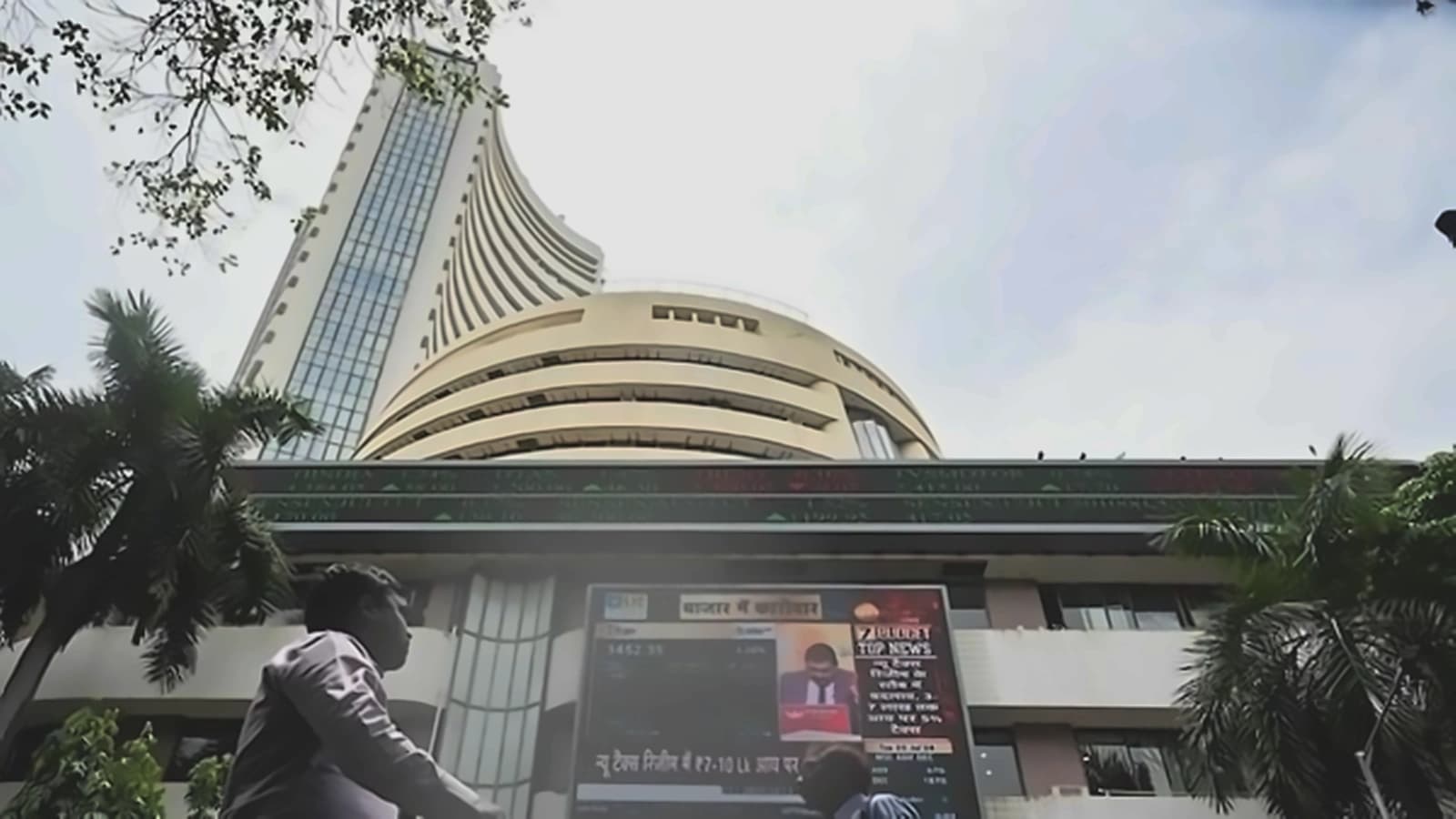
The Indian rupee regained significant ground in Monday's opening trades, opening at ₹95.36 per dollar and hitting a high of ₹95.20 during the day. This represents a notable recovery from yesterday's close of ₹95.60 per dollar. The rupee's strength is attributed to sharp pullback in international oil prices and weakness in the greenback overseas. As per Business Standard, improving risk sentiments amid expectations of a US and Iran peace deal are waning demand for the safe haven asset. The dollar index is seen trading under the 99 mark at 98.98, providing additional support to the rupee's recovery.
The rupee's recovery has coincided with a strong market rally following eased geopolitical tensions and dropping crude oil prices. According to Business Standard, the BSE Sensex is trading at 76,302.90, surging by 887.55 points (1.18%) while the NSE Nifty 50 is at 23,962.35, climbing 243.05 points (1.02%) as of mid-morning. Washington and Tehran have reportedly signaled progress in talks to end the war, even as US President Donald Trump indicated he won't rush into an agreement. This development has significantly reduced the safe-haven demand for the dollar, benefiting emerging market currencies like the rupee.
Chairman of the 16th Finance Commission and former NITI Aayog vice-chairman Arvind Panagariya has made a bold recommendation to the Reserve Bank of India regarding the Indian rupee's current depreciation. According to NDTV Profit, Panagariya stated that the RBI should let the rupee depreciate at this moment and not treat the ₹100 per dollar mark to determine policy response. His latest remarks emphasize that "Don't panic at ₹100/", warning policymakers against letting the psychological barrier of ₹100/USD dictate monetary strategy. His core argument is that depreciation is the only rational policy response in the face of the current oil shortage, regardless of how long the supply crunch lasts. Speaking exclusively to NDTV Profit, Panagariya argued that "the appropriate thing is to let the exchange rate do its job" and warned that "defending INR may exhaust India's forex reserves."
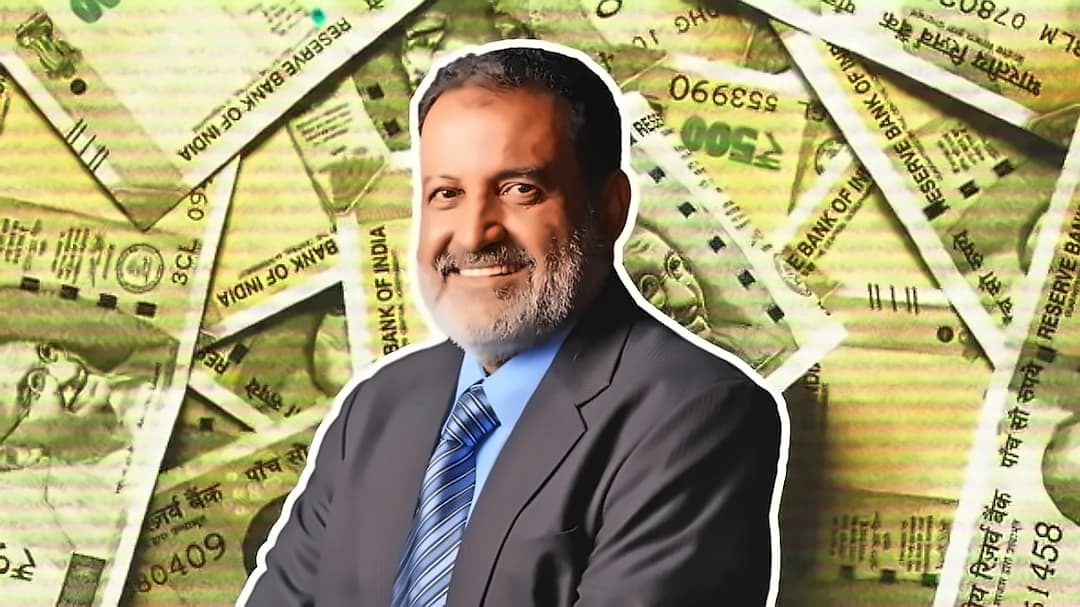
As the Indian rupee continues its sharp downward spiral, prominent corporate veteran and former Infosys CFO Mohandas Pai has publicly urged Prime Minister Narendra Modi and Finance Minister Nirmala Sitharaman to execute a radical policy pivot. According to reports from NDTV Profit, Pai advocated for a comprehensive five-year waiver on capital gains taxes for all registered FPIs on new investments. He warned that the rupee is getting "hammered" due to a massive dollar drain driven by aggressive FPI selling, which in turn escalates domestic costs. Pai's view is heavily shared by other market stalwarts, including Helios Capital founder Samir Arora, who had urged the government to implement sweeping changes to the capital gains tax structure.
Panagariya has sharply pushed back against proposals for costly band-aid solutions, including NRI deposit schemes and dollar-denominated bonds. According to his latest comments on X, "Nor would dollar-denominated bonds or high-interest dollar-denominated NRI deposits turn out to be more than a band-aid. Eventually, you will have to cross the 100-rupee-per-dollar psychological barrier." He warned that "Dollar-denominated bonds and high-interest NRI dollar deposits are costly instruments that pay significantly higher interest than the rate India earns on its own foreign-currency reserves. It is largely a transfer to rich NRIs." During the 2013 currency crisis, the RBI had launched a dollar-swap scheme for foreign currency non-resident deposits, but Panagariya notes that "such a scheme is not feasible this time with US interest rates considerably higher now." He also expressed caution over proposals aimed at attracting foreign currency inflows through high-interest NRI deposit schemes, saying such measures come with significant long-term costs.