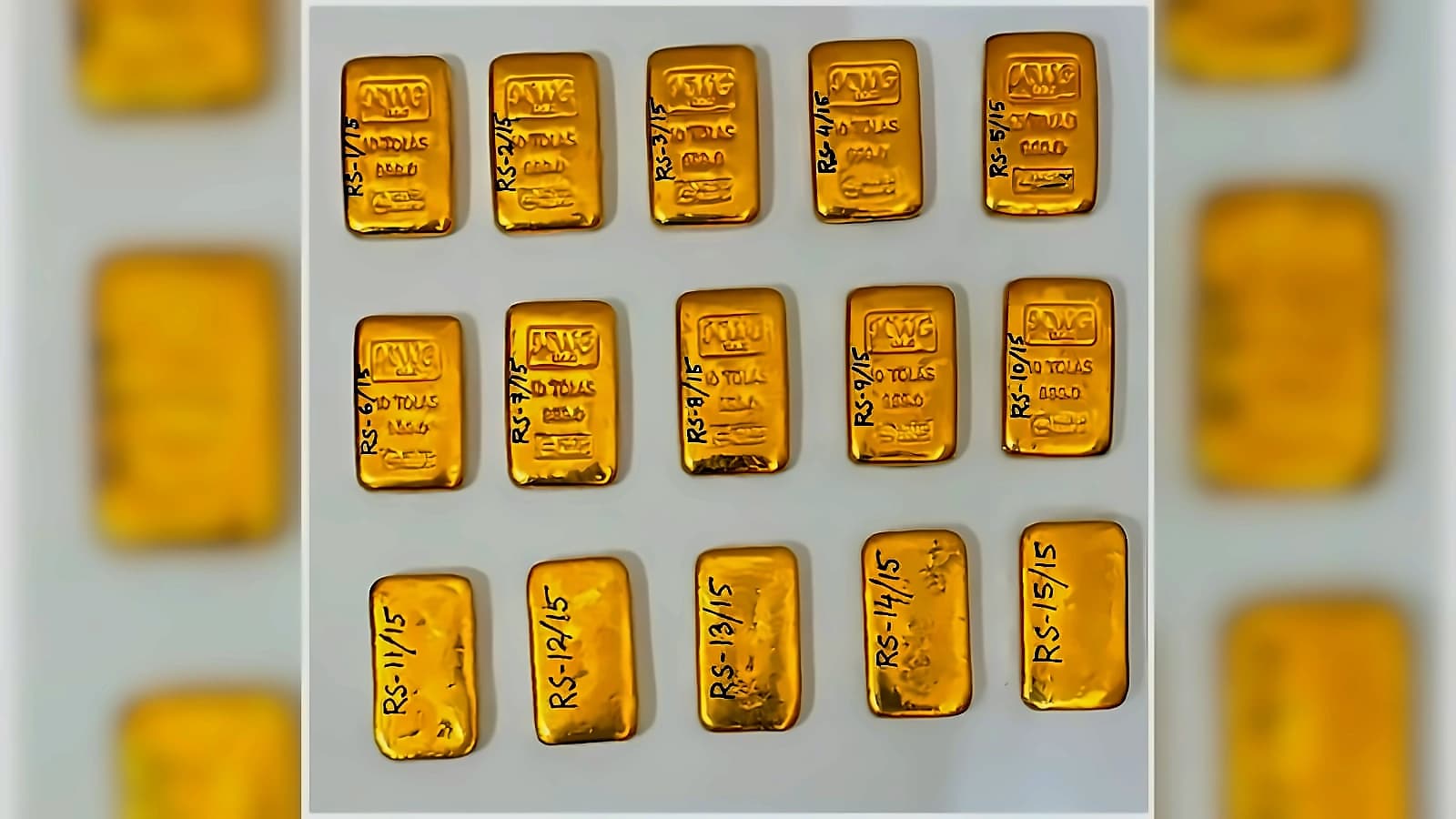
Gold has surpassed US Treasuries to become the world's largest reserve asset, driven by rising bullion prices and evolving geopolitical dynamics. According to a recent World Gold Council report, central banks have purchased an average of 1,000 tonnes of gold over the past four years, double the 500 tonnes average from the preceding decade. This shift reflects central banks increasingly viewing gold not only as an inflation hedge but also as a core store of value in a multipolar world fractured by geopolitics and trade dynamics. As per market analysis, this trend appears structural rather than cyclical, with the global balance between physical demand and financial flows changing significantly over recent years.
India's holdings of US Treasuries have dropped significantly, falling 22.5% from $232 billion in April 2025 to $181 billion in April 2026, reaching a six-year low. As reported by The Times of India, this decline has been partially offset by RBI's aggressive gold buying, with India's gold reserves rising 33.9% from 658 metric tonnes six years ago to 881 metric tonnes currently. The country has also brought back over 100 metric tonnes of gold from abroad between October 2025 and March 2026, with domestic holdings increasing from 38% to 77% of total reserves over three years. According to latest market analysis, this strategic shift reflects India's evolving investment philosophy, treating gold as a strategic store of wealth rather than a financial asset influenced by interest rates.
China has emerged as the biggest seller of US Treasuries since January 2025, with holdings declining 12.44% from $743.6 billion to $651.1 billion between April 2025 and April 2026. According to Bloomberg reports, China has instructed its banks to reduce exposure to US Treasuries as part of a strategy to diversify market risk. Despite remaining the third-largest non-US holder of Treasuries, China's holdings have dropped 14% since the start of 2025, demonstrating the global trend toward reducing dependency on dollar-denominated assets. Market analysis suggests this represents a gradual transfer of market center of gravity, with Asian investors consistently emerging as buyers on weakness while Western markets trigger selling waves.
The latest market analysis reveals a fundamental shift in gold market dynamics, with Asian investors becoming the dominant force behind gold's long-term direction. Gold is now trading near $3,996 per ounce during Tuesday's Asian session, with Asian investors consistently absorbing selling pressure and using every meaningful decline to accumulate physical gold. This represents a recurring pattern that reflects two fundamentally different investment philosophies - across Asia, gold is viewed as a strategic store of wealth and long-term financial security, while Western investors continue treating it primarily as a financial asset influenced by interest rates. The $3,960 area remains a critical support level that deserves close attention, while a sustained move above $4,120 would represent significant bullish confirmation and strengthen the case for resumption of the primary uptrend.

According to the latest World Gold Council survey, 89% of respondents expect an increase in gold holdings over the next 12 months, with 45% anticipating their own holdings to rise. The report indicates that 74% of respondents see moderate or significantly lower US dollar holdings within global reserves over the next five years. Market analysis suggests this trend toward gradual diversification is expected to continue, with gold reserves gaining traction as a reserve asset in the medium term. The next major rally in gold could be driven less by speculative capital and more by sustained physical demand from Asia, with future corrections likely presenting strategic buying opportunities rather than signaling the end of the bull market.