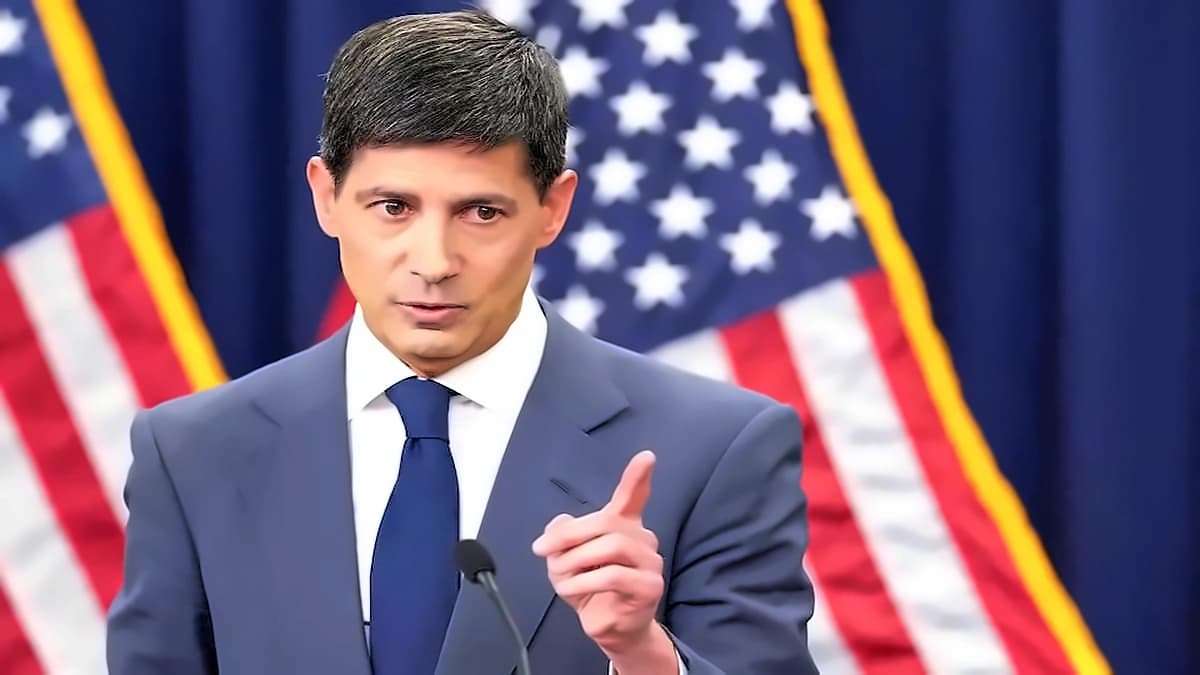
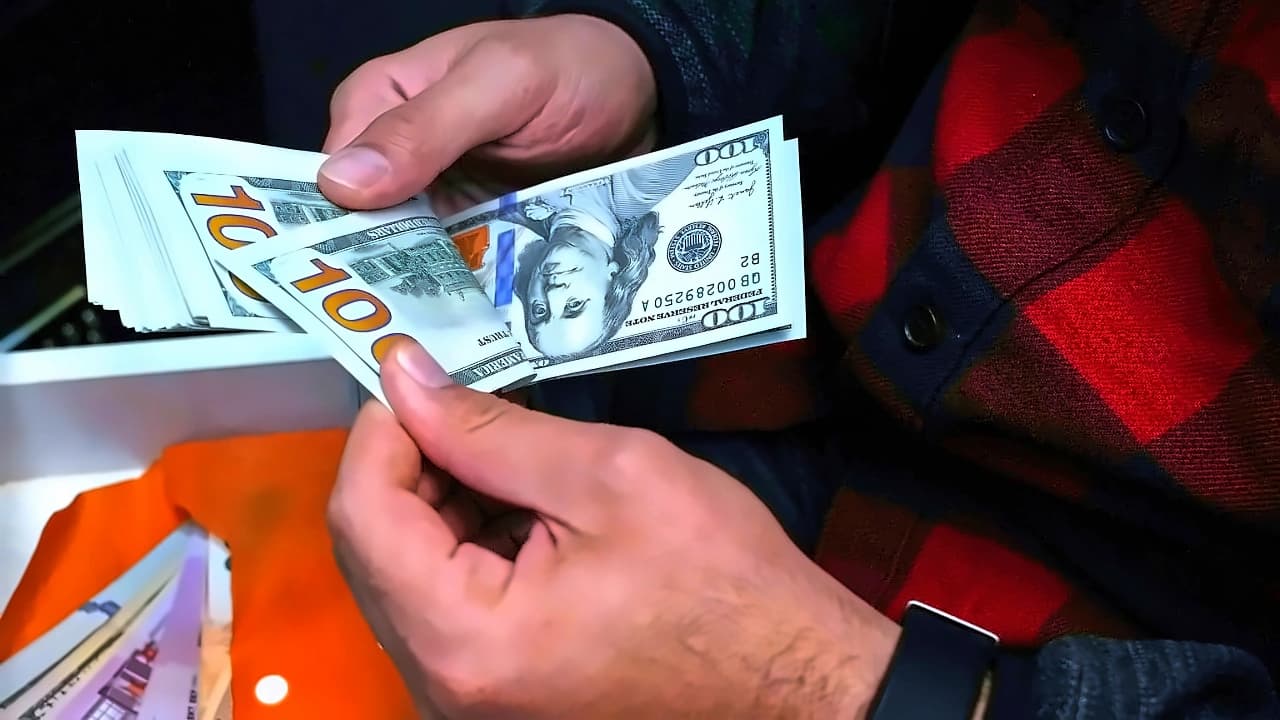
The US Dollar has staged its biggest two-day rally in nearly three months, driving it back toward late-March peak levels as traders pile into bets that the Federal Reserve will start raising interest rates as soon as late next month. According to The Economic Times, the Bloomberg Dollar Spot Index has risen over 1% following Wednesday's Fed meeting, the first under Chairman Kevin Warsh. The dollar's advance has strengthened significantly against major currencies, with the euro dropping to the lowest since late March, the Canadian dollar hitting weakest levels since April 2025, and the yen sliding to the lowest in nearly two years. As bond traders positioned for the shift, driving short-term Treasury yields up sharply, global investors were given renewed incentive to shift money into US assets. Recent developments show that currency speculators, especially hedge funds, are stocking up on options bets that the dollar will continue to rise, with leveraged funds starting to purchase dollar call options on Wednesday and demand continuing into Thursday as investors processed the anti-inflation remarks made by new Fed Chair Kevin Warsh.
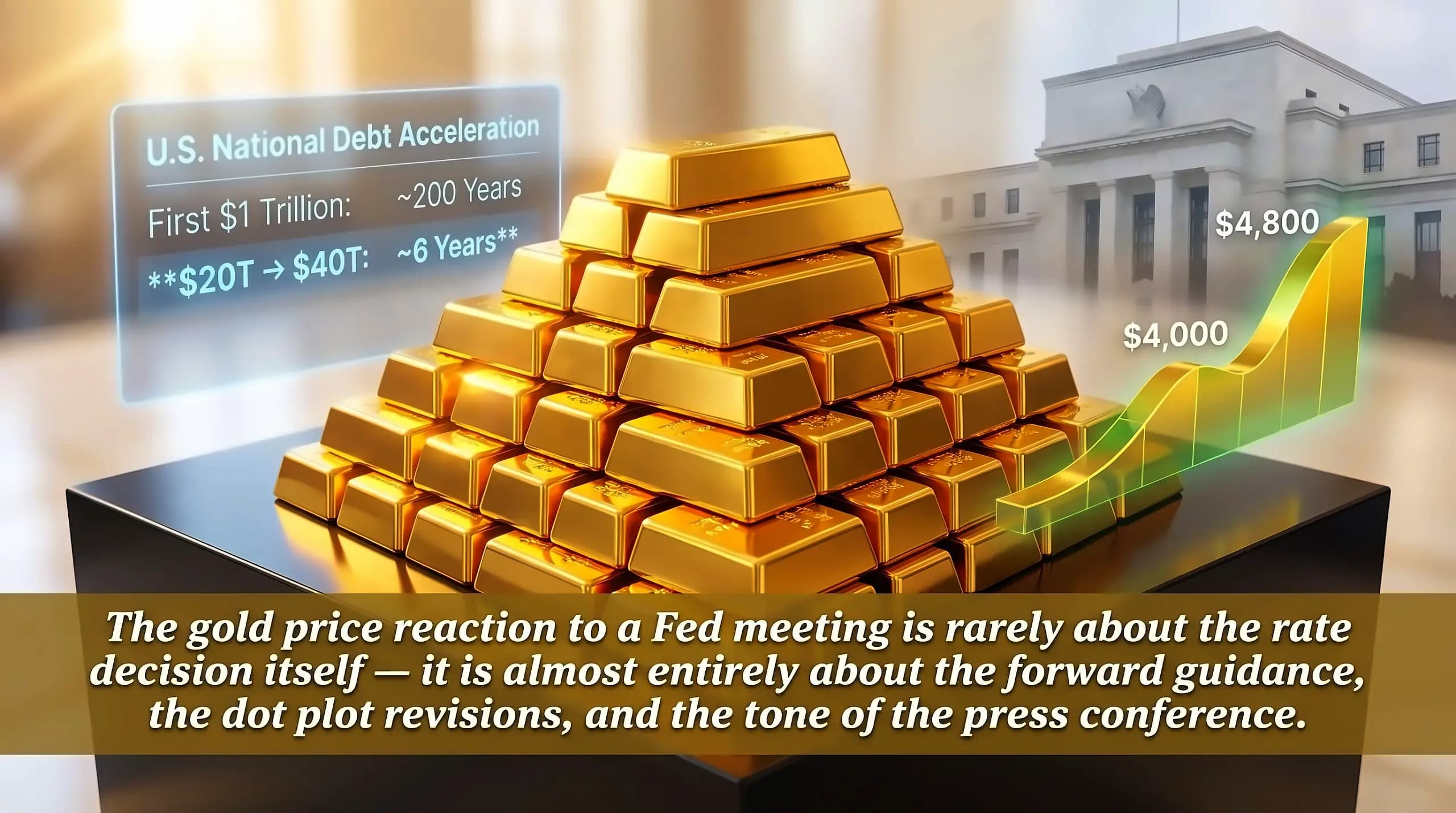
Treasury yields experienced significant upward movement on Wednesday, with the 2-year yield rising by more than 13 basis points to finish near 4.19%, marking the highest level since late 2022. According to reports from Investing.com India, March 2027 Fed Fund Futures also rose to 4.08%, indicating market expectations for Federal Reserve policy changes. The 3-month Treasury 12-month forward minus 3-Month Treasury bill spread rose above 50 basis points, confirming the market's interpretation of hawkish Fed signals. The bond market is now flashing even clearer signals with the 10-year/2-year yield spread narrowing to just 28 basis points, the tightest spread since April 2025, as reported by EmployAmerica. This sustained higher-for-longer rate environment creates a dual headwind for gold through elevated Treasury yields increasing the opportunity cost of holding non-yielding assets, while higher U.S. rates attract global capital flows into dollar-denominated assets.
The market has essentially priced in two rate hikes from the Fed following Wednesday's meeting, representing a significant policy shift from recent expectations. As reported by Investing.com India, this represents a big policy U-turn from where we stood not that long ago, with the Fed signaling a more aggressive stance on inflation control. Fed Chair Jerome Powell's press conference on Wednesday revealed the central bank's determination to get inflation back to target, with markets interpreting this as a clear signal of policy change. The Fed's updated dot plot shows the median rate projection for 2026 climbing to 3.8% from 3.4% in March, while 2027 projections rose to 3.6% from 3.1%, and 2028 moved to 3.4% from 3.1%. The committee was notably split on the path forward, with one member projecting a rate cut, eight seeing rates holding steady, three expecting one hike, five expecting two hikes, and one projecting three hikes. According to CNBC TV18, Federal Reserve hawkish stance fuels surge in dollar call options as hedge funds bet on further gains, with the market showing increased confidence in sustained dollar strength.
Currency options markets are reflecting the heightened bullish sentiment on the dollar, with significant positioning changes across major pairs. According to CNBC TV18, dollar options trading against the euro reached its highest level since March 3, with the volume of dollar options linked to larger call contracts worth €200 million ($229 million) or more being almost twice that of similar-sized puts. Similarly, call options wagering on a rise in the dollar relative to the pound surged to more than five times that of puts, which wager on a decrease in the greenback. The options activity suggests that traders are positioning for continued dollar strength rather than expecting a pullback. Positioning in dollar-yen was more balanced, while demand for dollar call options increased widely, which could be attributed to concerns that Japan's Ministry of Finance will increase intervention to protect the yen following its decline.