The U.S. Dollar Index (DXY) rose 0.06% to 98.89 on Thursday, recovering from earlier losses as traders evaluated the effectiveness of Treasury Department efforts to control long-term Treasury yields. According to Reuters, the dollar's modest gain came after the Treasury announced it would double the size of its buybacks of 10- to 30-year debt to at least $4 billion per operation, in an attempt to steady a market rattled by concerns over the growing U.S. fiscal deficit. However, Sarah Ying, head of FX strategy at CIBC Capital Markets, noted that "This is (Treasury Secretary Scott) Bessent testing the market and the market fighting back. It could very well be that we get a little bit more of these announcements in the future, but it doesn't seem like they are very credible to the market, at least as of right now." Treasury Secretary Bessent said on Thursday he may again increase the volume of Treasury bonds the government will repurchase, adding that "yields don't reflect the underlying fundamentals."
The Canadian dollar touched a near three-month high against its U.S. counterpart, trading 0.1% higher at 1.3780 per U.S. dollar, or 72.52 U.S. cents. According to Reuters, the loonie reached its strongest intraday level since May 21 at 1.3757, marking a significant recovery in the currency's performance. The Japanese yen weakened 0.6% against the greenback to 159.12 per dollar, after sliding nearly 1% in the previous session, remaining supported by expectations of further Bank of Japan tightening after coordinated efforts by Japan and the United States to stabilize the currency. The euro was at $1.1676, having earlier reached $1.171, the highest since May 14, providing additional relief to major currencies as the dollar weakness spread globally. Sterling strengthened 0.18% to $1.3629 and had reached $1.3659, the highest since February 16, while bitcoin gained 5% to $72,524.54, the highest since June 1, as the "debasement trade" that has boosted alternative stores of value continues to influence markets.

The currency's strength was primarily driven by higher oil prices, one of Canada's major exports. As reported by Reuters, U.S. crude oil futures were trading 2% higher at $87.50 a barrel following U.S. President Donald Trump's warning of retaliation against nations supporting Iran. West Texas Intermediate (WTI) trades around $85.80 per barrel, up nearly 5% so far this week, as the US-Iran standoff keeps supply concerns in focus. However, global crude prices climbed back toward $92 a barrel amid fading hopes for a near-term resolution to the U.S.-Iran conflict, adding to market caution. Darren Richardson, chief operating officer at Vantry Capital Inc, noted that higher oil prices and broad-based U.S. dollar weakness linked to concern about rising U.S. government debt were the main factors supportive of the currency. The Canadian Dollar is highly sensitive to Oil prices because Canada is a major crude exporter, making oil price movements a critical factor for the currency's performance.
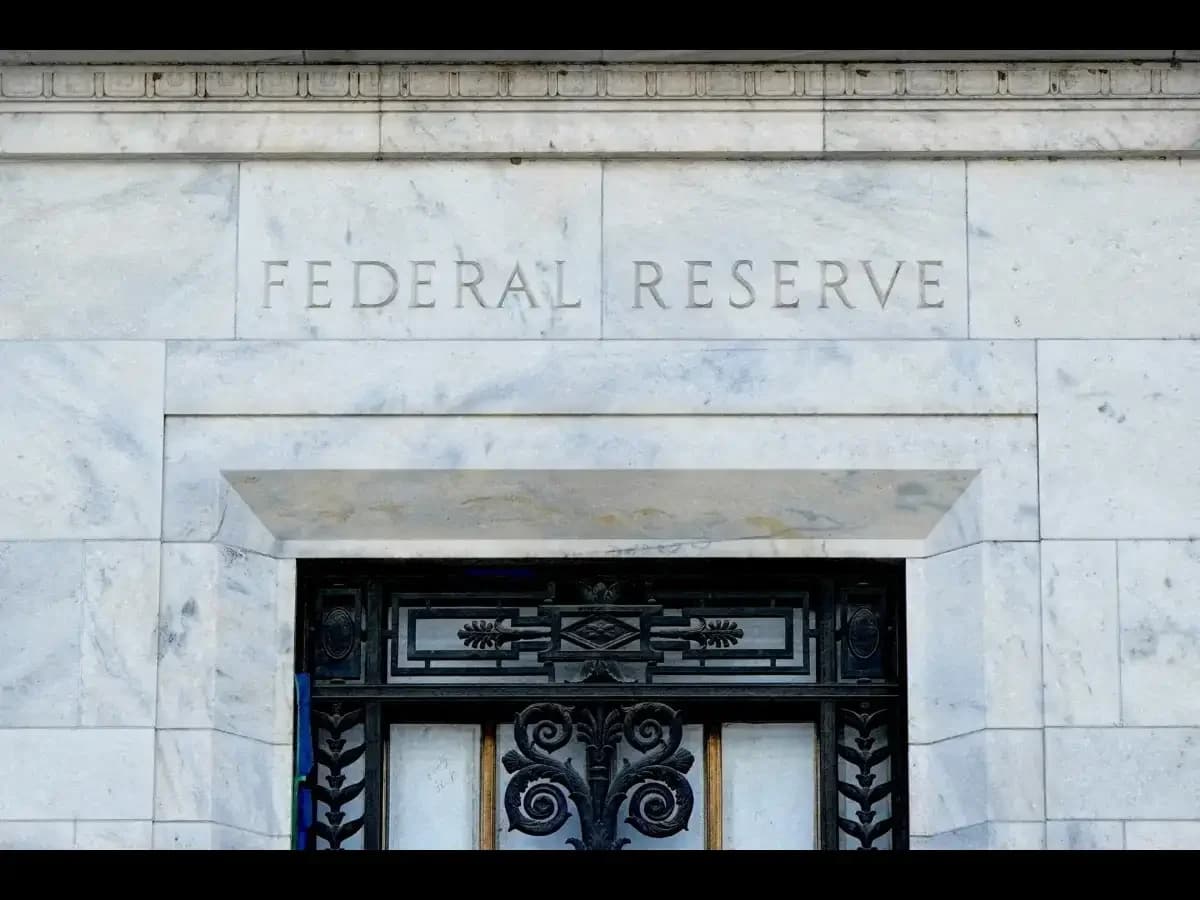
On the monetary policy front, Federal Reserve policymakers continue to see inflation as the main risk. Minutes from the **Federal Reserve's July meeting showed officials remained concerned about inflation, with "several" policymakers ready to raise interest rates and "many" saying a hike in borrowing costs would be needed if inflation does not decline toward the central bank's 2% target. Markets now price in a 35% chance of a September rate hike, rising to 67% for December, according to Reuters. Traders are also focused on an upcoming speech from Federal Reserve Chairman Kevin Warsh at the central bank's Jackson Hole symposium later this month for clues on how he plans to tackle still-elevated inflation. Warsh, who took over the Fed in May, unsettled markets after the central bank's July meeting by offering few clues on how policymakers might respond to persistent price pressures. Shaun Osborne, chief FX strategist at Scotiabank, noted that "Investors are going to want maybe a bit more from Warsh than a sort of very high-level kind of opaque repeat of the July FOMC press conference, where he talked a lot without really saying very much."
US President Donald Trump has paused planned 50% tariffs on around $20 billion worth of Canadian goods for three days, saying the two countries have a deal. This development provides additional support to the Canadian Dollar beyond oil price movements. Top trade negotiators from Canada and the U.S. are meeting for the second day running in Washington on Thursday in a bid to finalize a trade deal that could help reduce months of tariffs and counter duties. While there is some optimism about the trade negotiations, Richardson cautioned that the market is a bit exhausted when it comes to trade developments. The Loonie also draws support from signs of progress in trade talks between the United States and Canada, with the tariff pause providing immediate relief to Canadian exporters. Matt Simpson, senior market analyst at StoneX, noted that the U.S. Treasury has made it clear they don't want to see the 30-year yield at its pre-global financial crisis level of 5.3%, with the question now being whether bond traders want to play nicely and support the market to cap yields.