The dollar index rose 0.59% to 99.69, reaching its highest level since August 17, as investors position for potential Federal Reserve policy changes following Chair Kevin Warsh's Jackson Hole comments. According to Reuters, the dollar held near an eight-day high following U.S. inflation figures that aligned with forecasts for an impending Federal Reserve rate increase. The Bloomberg Dollar Spot Index ended the day up 0.2%, tracking Treasury yields higher, in the biggest gain since August 10. The dollar advanced against all of its peers in the Group of 10 except Australia's currency Wednesday, with the yen trading weaker, falling as much as 0.2% to 159.45 per US dollar. As reported by The Economic Times, the dollar index rose to 99.13, its highest level since August 19, with the dollar index, which measures the greenback against a basket of currencies, rose 0.21%. Against the yen, the dollar traded at 159.23, having given back most of its intervention gains but still well off a multi-decade low of about 164.
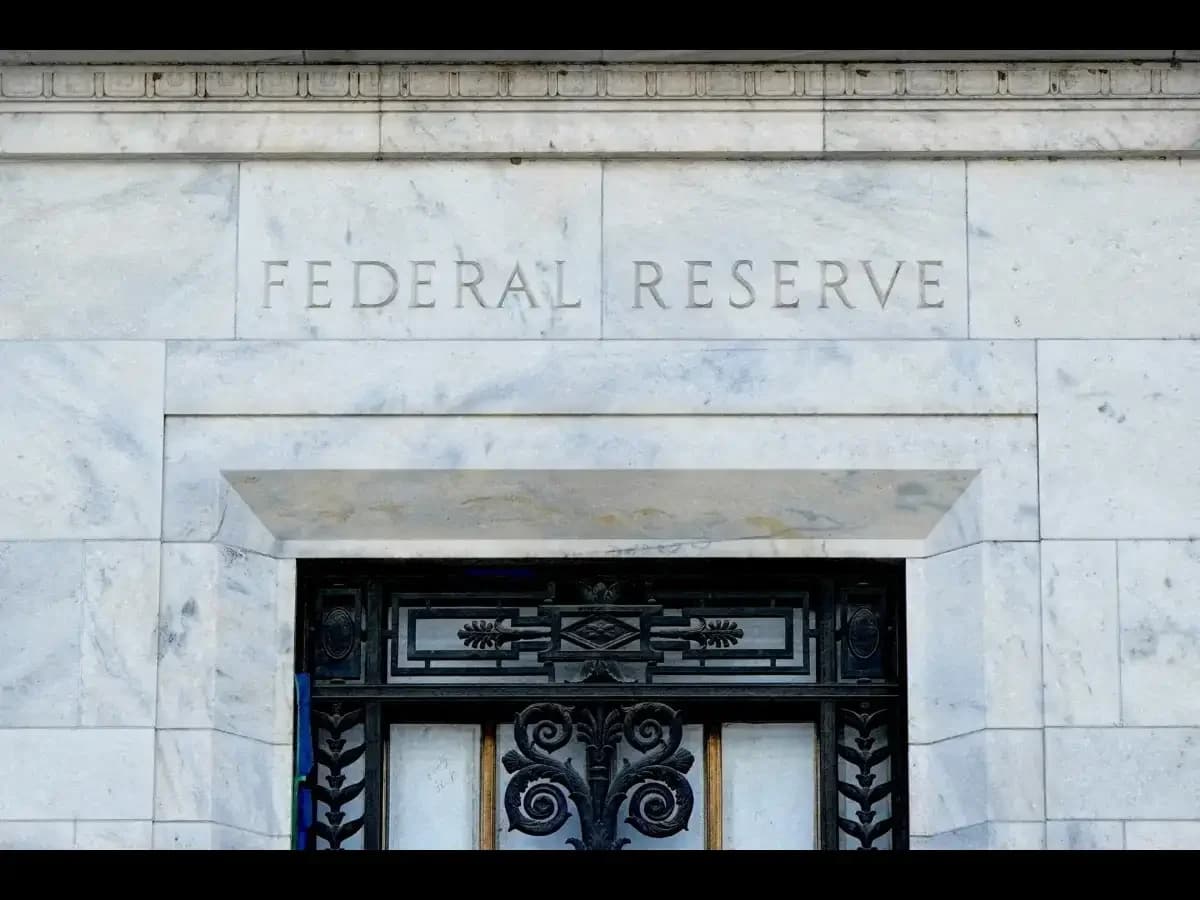
Fed Chair Kevin Warsh's debut speech at the Jackson Hole symposium marked a significant shift in market expectations, with rate hike probabilities jumping to 57.5% for the September meeting according to CME FedWatch, up from about 35% before the speech. In his remarks, Warsh said the Fed will "have work to do" should inflation not appear to be cooling, acknowledging that financial conditions do not appear restrictive and marking the closest he has come to recognizing that interest rate hikes may be needed to ease price pressures. As reported by Reuters, Warsh's comments came after a trio of Fed officials on Thursday voiced concerns about stubbornly above-target inflation, though Boston Federal Reserve President Susan Collins noted the latest inflation reading was "mixed" while continuing to see gradual disinflation. According to The Economic Times, the reading on inflation kept the market's expectation for a Fed rate hike by year-end live, though Chairman Kevin Warsh's upcoming speech at Jackson Hole "will be the ultimate test," said Westpac economist Ryan Wells.
US inflation data released Wednesday showed inflation in July was slightly stronger than economists had expected, providing support for Federal Reserve interest rate hike expectations. According to reports from Reuters, the 12-month gain in the personal consumption expenditures price index rose to 3.7% in July from 3.6% in the previous month, as reported by the Commerce Department's Bureau of Economic Analysis. This data strengthens the case for a Federal Reserve interest rate hike, with traders now putting a roughly 40% chance on rate hike next month, with a quarter-percentage-point increase fully expected by December. The monthly PCE price index rose 0.2% in July, exceeding market expectations despite the inflation rate remaining in line with forecasts. As reported by Reuters, economists had forecast a 0.1% increase for the month-over-month figure, making the actual 0.2% reading a surprise to the market. The report also showed that personal income rose 0.4% while spending increased 0.2%, both stronger than expected, according to The Economic Times.
Core PCE inflation, which excludes volatile food and energy components and serves as an indicator of underlying inflation pressures, remained unchanged at 3.3% year-over-year in July, matching the level seen in June. As reported by Reuters, this data indicates that persistent underlying inflation pressures continue to exist in the US economy. The core PCE price index increased 0.2% month-over-month and held steady at the 3.3% year-over-year gain, remaining in line with market forecasts. According to The Economic Times, the monthly PCE rose 0.2% versus the estimate calling for a 0.1% increase, after falling 0.1% in June. According to Reuters, the unrounded core PCE was 0.246%, so it barely missed out on rounding to 0.3%, representing a one-month annualized rate of nearly 3.0%. This core inflation reading provides crucial insight into the Federal Reserve's assessment of underlying economic conditions. The report also showed that goods prices actually declined 0.1% on the month, driven by a 2.7% decrease in gasoline and other energy-related goods and a 0.9% drop in furnishings and long-lasting household equipment, as reported by The Economic Times.
For the week, the greenback is up nearly 0.9% and on track for its biggest weekly gain in 10 weeks, while the euro is off about 0.8% and poised for its first weekly drop after four straight weeks of gains. The dollar index, which measures the greenback against a basket of currencies, rose 0.59%, putting it on track for its biggest gain since June 17. Against the Japanese yen, the dollar strengthened 0.48% to 160.15 and was on track for its third weekly gain in four weeks. Data showed annual core inflation in Tokyo accelerated in August for the third straight month, a sign of broadening price pressures, which bolsters the case for an interest rate hike as soon as next month. The euro was off 0.59% at $1.1582 after falling to $1.1577, its lowest level since August 19. Sterling weakened 0.47% to $1.3528 and was on track to snap a four-week streak of gains, while the Canadian dollar fell 0.37% versus the greenback to C$1.39 per dollar. Canada's economy rebounded sharply in the second quarter after six months of virtually no growth, aided by a strong jump in exports and solid domestic demand, though a new round of U.S. tariffs brings new uncertainty.