The World Foundation, the independent, nonprofit steward of the protocol, raised $52.5 million in a new funding round through a locked token sale to strategic investors. According to the organization's announcement, the capital injection was led by Pantera Capital alongside Bain Capital Crypto, Eightco Holdings (Nasdaq: ORBS), Selini Capital, and Susquehanna Crypto. As reported by the foundation, all purchased WLD tokens will remain locked for 12 months, reflecting what the Foundation describes as long-term alignment with the network's growth. This represents a significant follow-on investment after the project's first funding round of $135 million in May of last year, which was also led by Bain Capital Crypto and venture capital giant a16z.
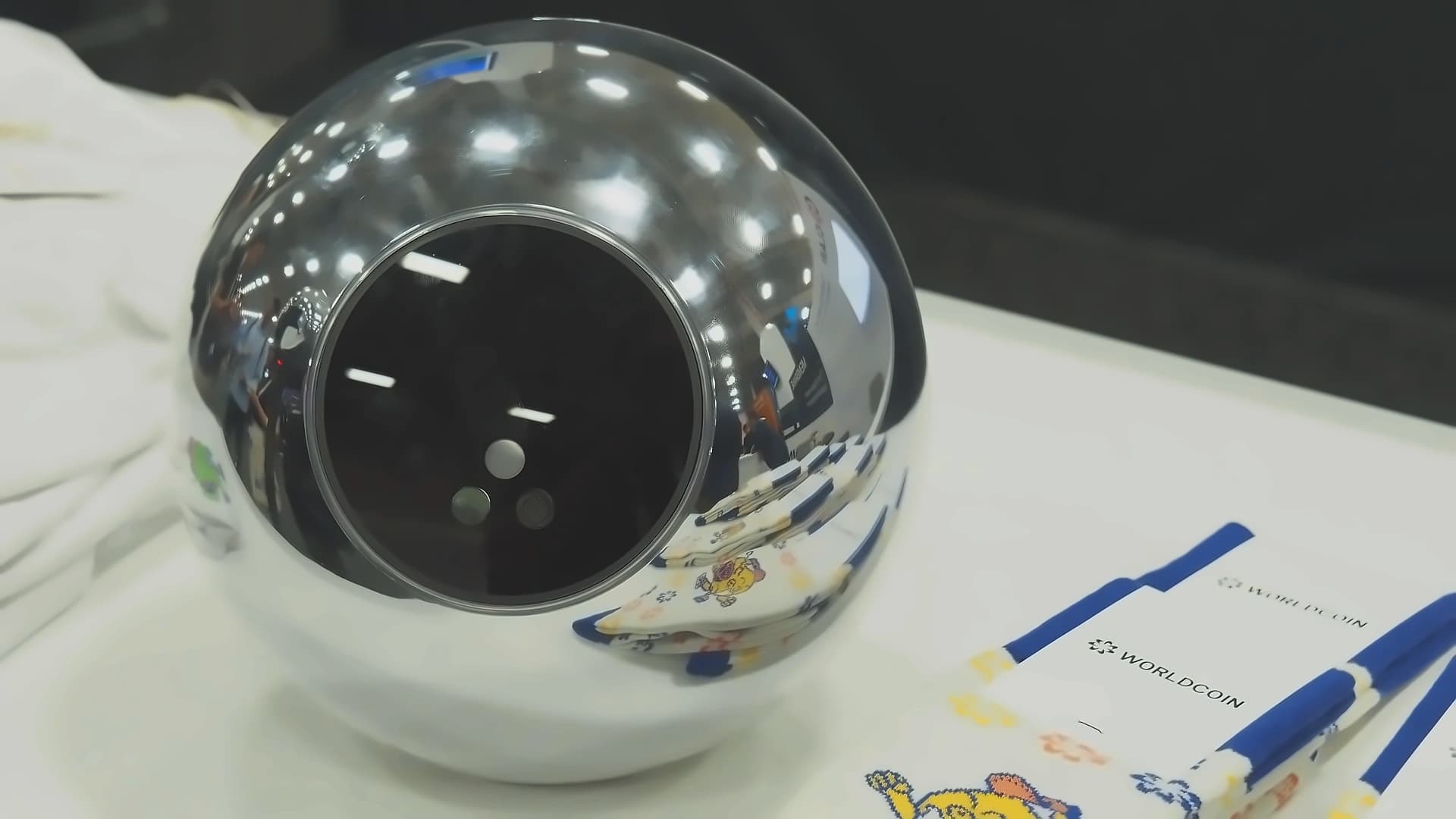
The new funding will be deployed to integrate identity technology across enterprise platforms and AI agents, as reported by the organization. As Cosmo Jiang, General Partner at Pantera Capital, stated, "The need for Proof of Human is becoming acutely clear with the acceleration of AI development, and we see this in the influx of enterprise traction." The project previously known as Worldcoin aims to establish an identity layer to distinguish unique individuals from automated bots, relying on custom hardware known as an Orb to issue credentials without compromising user privacy. According to the foundation, World ID 4.0 has been released, designed for enterprise-scale deployments that enable developers to build additional identity credentials using zero-knowledge proofs while integrating them into the broader World ID framework.
According to the funding announcement, the World Network has achieved significant user adoption with more than 39 million people joining the platform. The network has more than 18 million humans verified by an Orb, while issuing more than 475 million World ID proofs since its launch. As reported by the organization, this scaling demonstrates the utility of the updated, enterprise-ready infrastructure as the project shifts from building the network to scaling its utility. The foundation also noted that World ID has already been integrated with services including Zoom, DocuSign, Okta, Vercel and Tinder, with applications ranging from digital advertising and online dating to voting platforms, creative marketplaces and video communication services.
The World Foundation unveiled what it called its most significant upgrade yet to World ID in April, positioning the system as "full-stack proof of human" infrastructure aimed at consumers, enterprises and AI agents. According to the organization, the investment comes as the project enters a new phase focused on increasing real-world use of its identity network after spending the past three years building the protocol. The foundation emphasized that demand is rising for technology that can distinguish real people from automated agents online as artificial intelligence systems become more capable. Rather than expanding consumer applications, the new funding will be directed toward scaling World ID across enterprises, online platforms and AI-native services, where proving a user is human is becoming an increasingly valuable capability. Unlike traditional equity financing, the WLD purchased in the transaction is intended solely for use within the World Network ecosystem, with the tokens not providing ownership in Tools for Humanity or granting rights to profits or investment returns.
While the network has continued to grow, regulatory scrutiny has remained a recurring challenge for the project. Authorities in Spain, Kenya, Brazil, Indonesia, South Korea, Hong Kong and the Philippines have investigated, restricted, suspended or fined parts of World's biometric identity verification operations over concerns involving privacy, user consent and data protection. The foundation said it continues engaging with regulators as the network expands into additional markets. Additionally, governance and token ownership have drawn attention following recent regulatory filings. A registration statement submitted by Grayscale for its proposed spot Worldcoin ETF disclosed that the 100 largest wallets controlled about 90% of WLD's circulating supply at the time of filing, with the asset manager presenting this ownership concentration as a material risk for prospective investors.