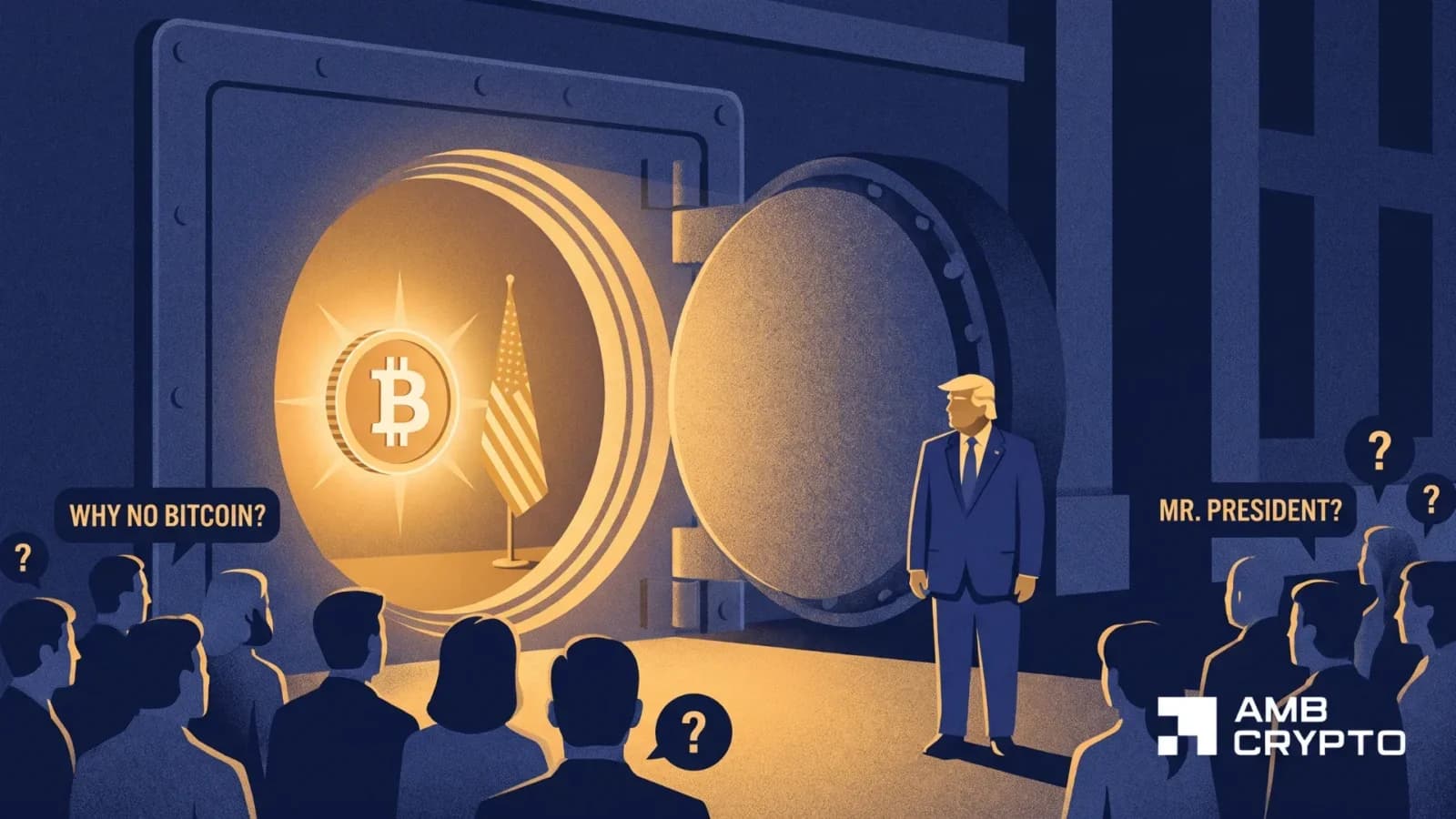
President Trump's Strategic Bitcoin Reserve, established by Executive Order 14233 signed on March 6, 2025, faces significant implementation delays as federal agencies continue to dispute control over seized digital assets. According to recent reports, Treasury Secretary Scott Bessent reiterated the administration's commitment to the reserve in January 2026, emphasizing that it would remain budget-neutral. The core concept is elegant: stop dumping Bitcoin that the government seizes through criminal and civil forfeiture actions, and instead hold it in a dedicated reserve managed by the US Treasury. However, both deadlines have long since passed - agencies were given 30 days to conduct complete accounting of digital asset holdings and evaluate transfer authorities, while the Treasury Department got 60 days to propose necessary legal framework for custodial accounts. The 60-day deadline expired May 5, 2025, with no report delivered and no agency formally designated.
The implementation delays stem from obscure legal provisions and interagency turf wars that have stalled the reserve's operationalization. As reported by CoinDesk, White House Digital Assets advisor Patrick Witt has pointed to these legal provisions as a significant barrier to getting the reserve operational. Different federal agencies have different authorities over seized digital assets, and those authorities don't always play nicely together. The order explicitly separated Bitcoin from other digital assets, giving it a dedicated custody arrangement, but this separation has created additional complexity in establishing the reserve's operational framework. Bloomberg reports that officials are still deciding which department can hold and manage the government's Bitcoin, with the Commerce Department emerging as a possible alternative to Treasury. The DOJ Office of Legal Counsel is now mediating between the two departments, a development that signals the dispute has moved beyond bureaucratic friction into genuinely contested legal territory. The core legal problem is that existing government asset management statutes were designed around gold, foreign exchange reserves, and Treasuries, not a volatile digital bearer asset.
The most pressing challenge facing the reserve is determining which federal department can lawfully manage America's Bitcoin trove. According to Bloomberg reports, concerns then surfaced over whether Treasury could legally manage the assets, creating a fundamental structural problem for the reserve's implementation. Another open question is whether Bitcoin can be held indefinitely, as the order intended, given its price swings. The Justice Department's Office of Legal Counsel is working with both departments to "determine legally available options to accomplish the president's policy of establishing a strategic Bitcoin reserve". White House spokesperson Liz Huston addressed the matter in a statement shared with BeInCrypto, stating that the administration was still working out the right setup for the reserve. "President Trump campaigned on a vision of cementing America as the global capital of cryptocurrency and other cutting-edge technologies," Huston said. "To deliver on the president's vision, the Trump administration continues to evaluate the best structure for a Strategic Bitcoin Reserve and U.S. Digital Asset Stockpile."
The government currently holds 328,372 BTC, worth approximately $25 billion as of July 7, according to BitcoinTreasuries data. This positions the U.S. as the largest known government holder of Bitcoin, ahead of China, the United Kingdom, Ukraine, and El Salvador. According to CoinDesk reports, when Trump issued the order, he asked his administration to develop ways to acquire more bitcoin without using taxpayer money. The restriction to forfeited assets only, with no taxpayer-funded purchases, means the reserve's growth rate depends entirely on the pace of federal seizures. Previous sales of seized Bitcoin had cost taxpayers an estimated $17 billion in lost value, as the government routinely dumped assets at prices far below what patient holding would have yielded. The no-sell clause from the original executive order remains in force: "Treasury-controlled Bitcoin shall not be sold and shall be maintained as reserve assets", ensuring the government's long-term commitment to holding its Bitcoin holdings. However, neither agency has formally accepted responsibility, with neither willing to move without explicit congressional authorization.
The Strategic Bitcoin Reserve was a centerpiece of Trump's 2024 campaign to make the US the 'crypto capital of the world'. Digital asset enthusiasts and lobbyists have been frustrated by the delay in action that's not guaranteed to develop, as reported by CoinDesk. Meanwhile, President Trump has amassed his own personal bitcoin holdings of more than $50 million according to his recent financial disclosure. The crypto sector had widely considered the bitcoin reserve a done deal when Trump declared it, making the current inaction particularly disappointing for the digital asset community. Scott Bessent created additional confusion when he said publicly that the U.S. "won't be buying" additional Bitcoin in the near term, then partially walked that back on social media by saying Treasury is exploring "budget-neutral pathways" for expanding holdings. White House digital assets adviser Patrick Witt said an announcement on the reserve structure is "coming soon," which suggests the administration still views the project as active rather than shelved. However, "coming soon" has been the operative phrase for months, and the crypto community's frustration with the absence of a concrete framework is well documented. The BITCOIN Act, which would codify the Strategic Bitcoin Reserve under the Treasury with explicit congressional authorization, has been proposed but not enacted, and without it, agencies are reluctant to move.