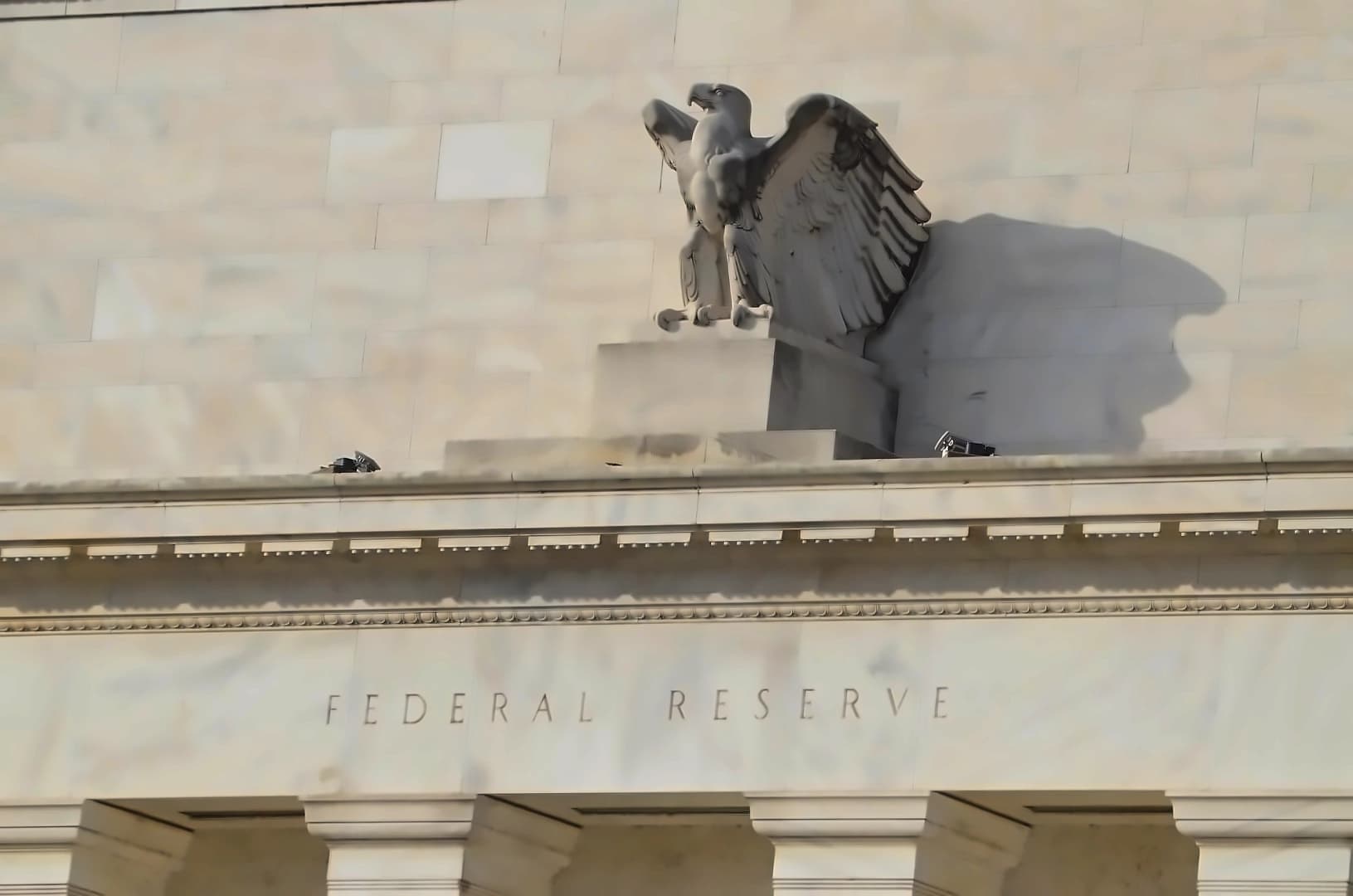
The U.S. Federal Reserve has officially opened a 60-day public comment window on a proposal to establish a new type of payment account that may allow certain crypto firms to access the Fed's clearing and settlement systems. According to the Fed's Wednesday statement, the central bank has received an increasing number of requests for access to the Fed's payment services from institutions that are not federally insured. The proposed payment account would be tailored to support innovation by serving the clearing and settlement needs of certain eligible institutions while also mitigating material risks to the Reserve Banks and payment system. The proposal represents a significant step toward giving firms with diverse business models access to payment clearing and settlement services to increase speed and reduce costs, without providing full master-account status. As reported by The Block, the Fed's latest proposal came just a day after President Donald Trump's executive order on Tuesday, which directed the central bank to review and update regulations to "allow integration of digital assets and innovative technology into traditional financial services and payment systems."
As reported by the Fed, payment account holders would not have access to intraday credit or the discount window, would not earn interest on balances held at a Reserve Bank, and would only have access to payment services with automated controls to prevent overdrafts. The central bank explained that these accounts would be substantially similar to the prototype outlined in its December request for information, which had an initial 45-day comment period. The Fed noted that closing balance limits would be based on an institution's expected payment activity and the maximum closing balance was increased in response to comments received since December. A notable exclusion is access to FedACH, the automated clearinghouse system that processes direct deposits, bill payments, and other batch transactions, which fintech trade groups have flagged as a meaningful limitation since ACH rails handle an enormous share of everyday consumer and business payments. Under the framework described by journalist Eleanor Terrett, firms would still need to operate through an affiliate that qualifies as an eligible depository institution under the Federal Reserve Act, keeping direct Fed access out of reach for crypto exchanges themselves. The proposal does not expand who is legally eligible for a Fed account - it defines a new product available only to institutions that already meet the existing statutory criteria, with applicants able to hold either a payment account or a master account, not both.

The proposal moves the Fed closer to a model that the Trump administration has been pushing through President Trump's executive order signed on May 19, titled "Integrating Financial Technology Innovation into Regulatory Frameworks." That order directed federal banking regulators to identify rules that block fintech and digital asset firms from Fed payment services and to act within six months. The order also instructed the Fed to establish transparent application procedures and decide on completed applications within 90 days. The payment account proposal is the first concrete response to these directives, representing a significant regulatory shift toward crypto access. The Fed has asked regional Reserve Banks to temporarily pause decisions on pending Tier 3 master account applications while the rulemaking process moves forward. The suspension would allow time to gather public feedback and apply the framework consistently across Reserve Banks, with staff saying the pause is expected to remain in place until Dec. 31, 2026.
A short list of crypto firms are pursuing direct Fed access, with Kraken Financial becoming the first digital asset company to secure a Federal Reserve master account in March 2026 after years of regulatory groundwork through its Wyoming Special Purpose Depository Institution charter. Ripple, Anchorage Digital, and money transfer firm Wise have all filed for similar access, with a payment account offering them a faster route than a full master account, though with materially fewer privileges. Caitlin Long's Custodia Bank, by contrast, exhausted its legal options earlier this year after the Tenth Circuit Court of Appeals declined to rehear its case against the Fed. The new payment account category may give institutions like Custodia a second path forward. The 60-day comment period will determine how much flexibility the final framework provides to non-bank applicants, with whether the Tier 3 pause is lifted before the policy is finalized signaling how quickly applicants like Ripple can expect a decision.
The response to the proposal has split along predictable lines, with banks on one side and fintechs on the other. The American Bankers Association and similar trade groups have advocated for strict limits on these new accounts, arguing that non-bank firms haven't undergone the same regulatory scrutiny as chartered banks and giving them Fed access could introduce system risks. Banks also aren't thrilled about subsidizing competitors' access to infrastructure they've spent decades building relationships around. Fintech groups, meanwhile, are pushing in the opposite direction, concerned that the accounts are too restrictive without FedACH access and with tight overnight balance caps. Pressure around the issue intensified after the Kansas City Fed approval became public, with the Independent Community Bankers of America expressing concerns about allowing a crypto-focused institution access to Federal Reserve infrastructure under a regulatory structure different from conventional banks. The Bank Policy Institute argued that the Kansas City Fed moved ahead with what it described as a "skinny" master account before a formal systemwide policy had been finalized. As the Fed reviews the proposal to expand master account access for crypto and fintech firms, its Board said it encourages Reserve Banks to temporarily pause decisions on applications from Tier 3 institutions — a category that includes crypto firms — until the Board has completed its policy development process on the proposal.