The U.S. House Oversight and Governance Reform Committee has escalated its investigation into prediction markets for alleged insider trading activities, sending formal information requests to both Kalshi and Polymarket demanding comprehensive internal records. According to latest reports, Congressman James Comer (R-Kentucky), Chair of the Oversight Committee, characterized prediction markets as 'the wild west' during a CNBC interview, stating that 'this is so new, and there are no written laws'. The investigation comes as New York Times reports reveal that senior Commodity Futures Trading Commission officials who raised concerns about prediction market firms were suspended, investigated and pushed out. Career officials questioned activity tied to Polymarket, Crypto.com and a Gemini affiliate, raising concerns over consumer treatment, fraud controls and regulatory compliance. The NYT reported that two officials who raised questions were placed on administrative leave by late 2025, while three other staff members tied to crypto enforcement also faced similar actions.
The investigation reveals significant financial implications of insider trading in prediction markets. As reported by AMBCrypto, insiders on Polymarket made over $2.4 million on Iran bets, demonstrating the substantial financial impact of such activities. Comer emphasized that widespread insider trading activity represents a sign that 'Congressional action may be necessary' to address the regulatory gaps in this emerging market sector. The formal probe now demands internal records on identity verification and trade surveillance from both platforms, representing a significant escalation from preliminary inquiries.
The NYT investigation reveals that the CFTC pulled back from crypto enforcement under the current administration, dropping at least five crypto probes and filing only two crypto enforcement cases, both against individual operators. Staff reported seeing a clear message inside the agency: 'Don't cause trouble.' The CFTC has also given no-action relief for fully collateralized event contracts listed on regulated exchanges, covering some swap data reporting and recordkeeping duties. Meanwhile, the agency opened a wider rule process for prediction markets in March, seeking public comment on event contracts, public interest limits, cost-benefit issues and possible future rules. As reported by crypto.news, the CFTC has challenged state actions in Arizona, Connecticut, Illinois, New York and Wisconsin over prediction market products, with the agency suing New York on April 24 after the state sued Coinbase Financial Markets and Gemini Titan.
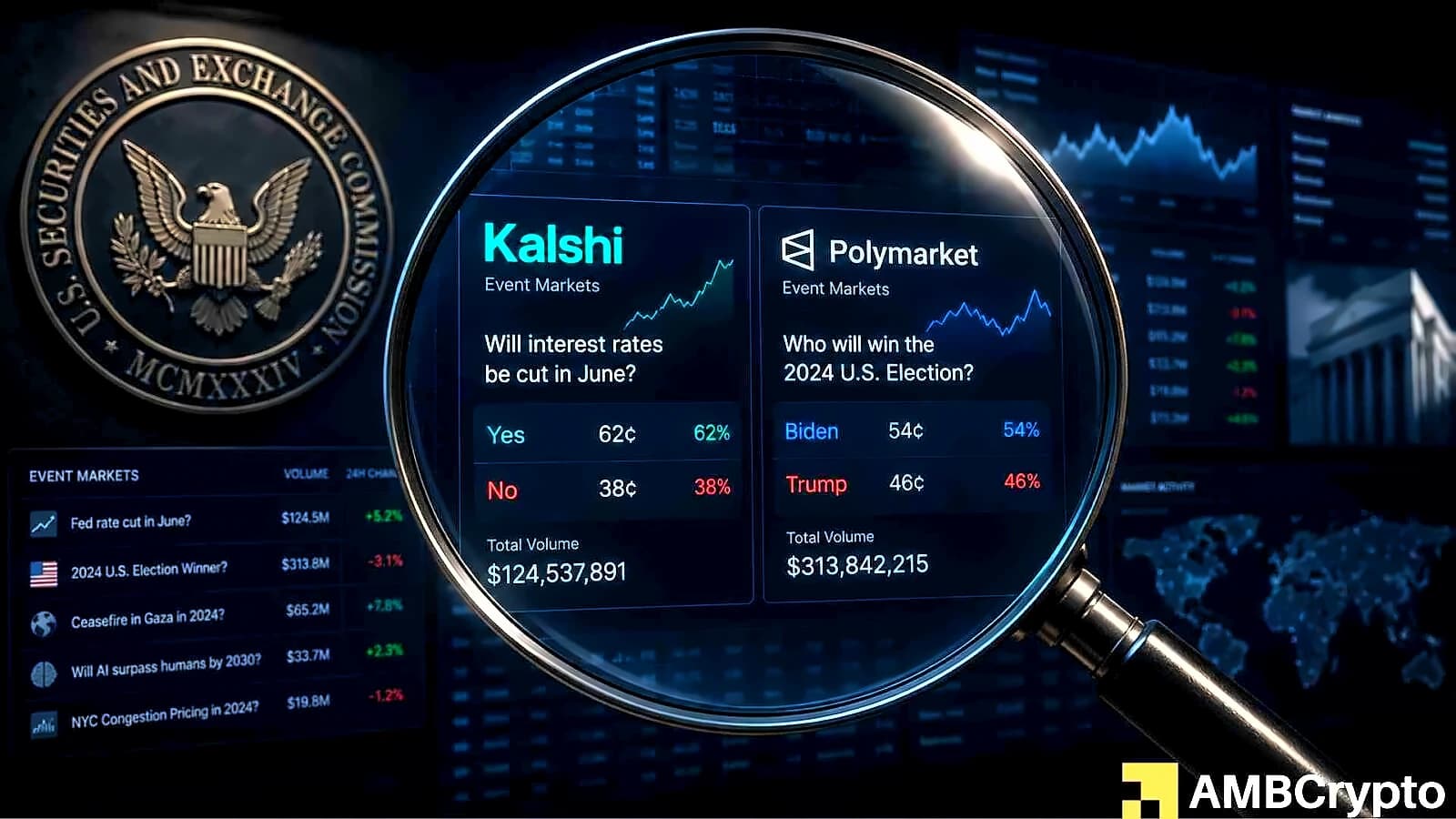
The Committee has specifically targeted both major prediction market platforms with detailed inquiries. According to AMBCrypto, the Committee sent letters to Kalshi's CEO Tarek Mansour and Polymarket's CEO Shayne Coplan, requesting comprehensive information about their KYC systems, whether they apply to global users, and the trading history of any U.S government employee, including military officers. Crypto.news reports that Polymarket has been in active talks with the CFTC to lift a four-year U.S. ban tied to a 2022 enforcement action and $1.4 million settlement, with talks centering on contract design, KYC and reporting. The platform recently bought QCX LLC, a CFTC-registered exchange, for about $112 million in 2025, which could help build a regulated U.S. path if officials approve the plan.
The U.S. investigation reflects broader international regulatory concerns about prediction markets, with India banning prediction markets under the Promotion and Regulation of Online Gaming Act (PROGA). The Senate Banking Committee advanced the CLARITY Act in a 15-9 vote, a bill that would split digital asset oversight between the SEC and CFTC. Congress has also raised concern over the CFTC's thin leadership bench, with the House Agriculture Committee pressing President Trump to fill the agency's four vacant commissioner seats, stating that a one-member commission cannot keep pace with its expanding crypto and prediction market duties. The formal probe now demands internal records on identity verification and trade surveillance from both platforms, representing a significant escalation from preliminary inquiries.