US President Donald Trump-backed World Liberty Financial has denied ownership or control of WorldClaw, a Hong Kong-based artificial intelligence platform that provides access to AI models developed by Chinese technology companies facing US national security scrutiny. According to CoinDesk, World Liberty spokesman David Wachsman stated that "WorldClaw is an independent company, not owned or operated by World Liberty Financial." The denial comes after Reuters reported on World Liberty's links to WorldClaw and the availability of Chinese-developed models through the platform. However, Wachsman declined to disclose any financial relationship between the two companies, including whether World Liberty or an affiliate holds equity in WorldClaw, finances the company, receives licensing fees, or shares in its revenue.
US President Donald Trump-backed World Liberty Financial is collaborating with WorldClaw, a Hong Kong-based artificial intelligence platform that provides access to AI models developed by several Chinese technology companies facing US national security scrutiny. According to reports from Reuters, WorldClaw, founded in early 2026, allows users to access a range of AI models and accepts World Liberty's USD1 stablecoin as payment. The Trump family owns a 38% stake in World Liberty and earns revenue from the company's cryptocurrency activities, with the partnership representing a significant development in the competitive landscape between US and Chinese AI technologies. However, the collaboration has intensified existing concerns about political coherence and potential conflicts of interest, as the US government has flagged WorldClaw as a national security concern.
A Reuters review found that 43 of the 90 AI models available through WorldClaw were developed by Chinese technology companies including Alibaba, Baidu, Z.ai and others. The platform also provides access to models developed by US companies such as OpenAI and Anthropic. Some of the Chinese AI models come from companies that have faced restrictions or scrutiny from the US government. Alibaba and Baidu have been designated by the US Department of Defense as Chinese military companies, while Z.ai, formerly known as Zhipu AI, is on the US Commerce Department's entity list. WorldClaw also offers models from DeepSeek and Moonshot, Chinese technology companies that Trump administration officials have accused of taking intellectual property from US AI rivals. Alibaba and Baidu have denied these US findings, with Alibaba calling their inclusion on the Pentagon's list an arbitrary decision. The arrangement is not illegal, and Chinese AI models have been gaining traction globally, partly because they are often cheaper than comparable offerings from US companies.
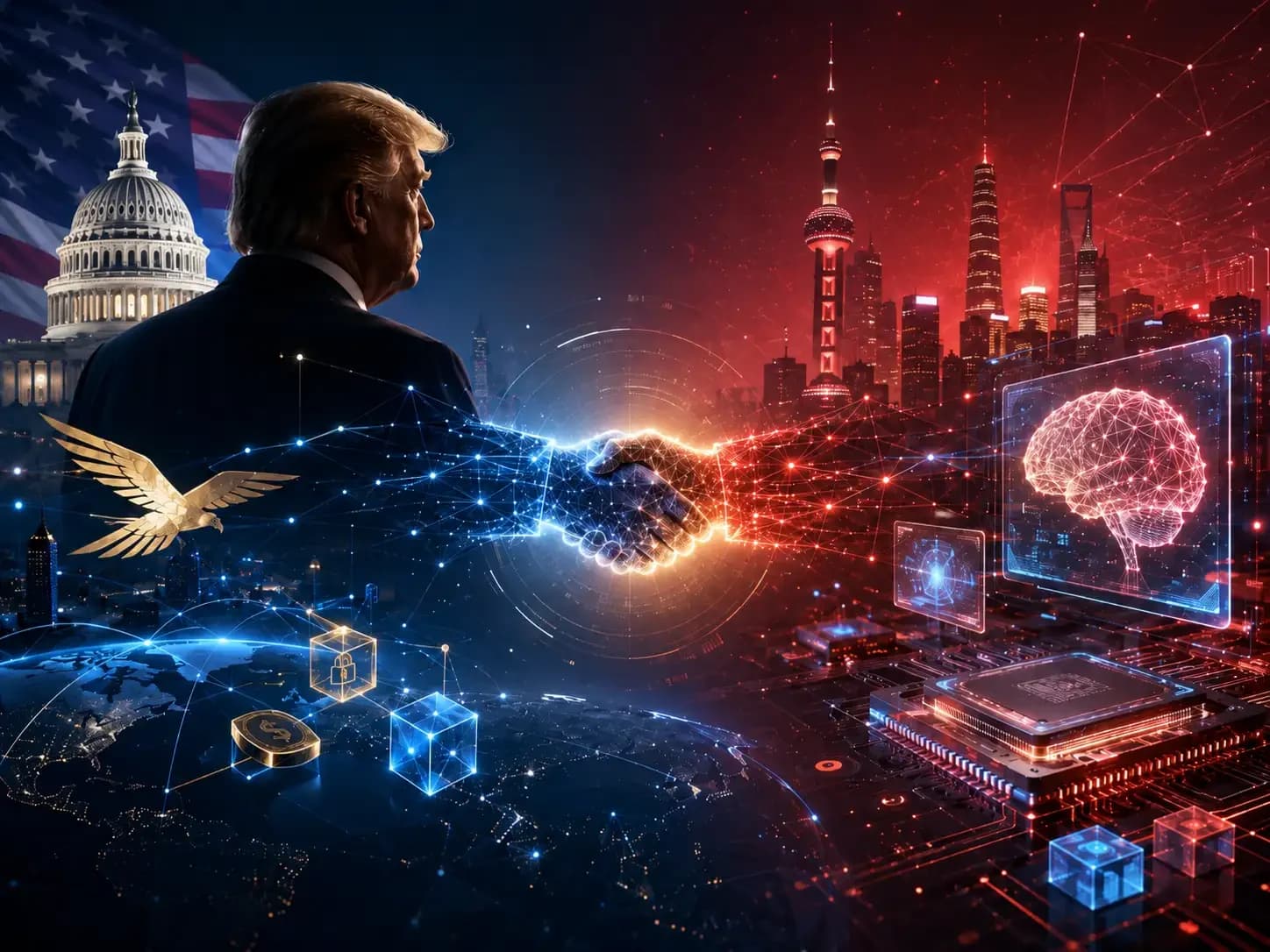
According to CoinDesk, WorldClaw accepts World Liberty's USD1 stablecoin as a payment option, which is backed by traditional assets including US Treasury securities. World Liberty earns revenue from the assets backing the stablecoin, while the Trump family is entitled to a share of the interest generated. The report stated that it could not establish the precise financial arrangements between World Liberty and WorldClaw or determine how much the Trump family has earned from cryptocurrency payments made through the platform. World Liberty executive Ryan Fang, who serves as an external adviser to WorldClaw on USD1 adoption, partnerships and expanding access to AI services, has also worked as an external adviser to WorldClaw, particularly on USD1 adoption, partnerships and expanding access to AI services. World Liberty has received conditional approval to establish a trust bank, prompting conflict-of-interest concerns from lawmakers and watchdogs.
The collaboration creates an apparent contradiction in US policy toward Chinese technology, as the Trump administration has repeatedly stressed the need for the United States to compete with China in artificial intelligence while imposing restrictions on Chinese companies considered security risks. WorldClaw's WorldRouter service acts as an aggregator, providing users with access to multiple AI models and handling more than 50 million requested tasks each day with over 10,000 users. The company is also developing an app with AI agents to perform personal tasks, including ordering food or summarizing emails. Experts warned that Chinese AI models could expose users to risks including potential monitoring by Chinese authorities, censorship of AI outputs and malicious code that could compromise AI agents. WorldClaw's website states that the platform may share data entered by users with companies that supply AI models, though the company emphasizes it takes data protection seriously and applies security and privacy measures across the platform. The WorldClaw relationship illustrates the growing tension between US national security policy and the commercialisation of artificial intelligence.