Sweden's central bank has urged lawmakers to prepare legislation for a digital krona, marking a significant shift from its previous position. According to reports from crypto.news, the Riksbank sent an October 7 letter to parliament's Finance Committee, published on October 15, recommending Sweden begin examining the legal changes needed for a potential central bank digital currency (CBDC). This recommendation comes three years after a 2023 government inquiry found insufficient public need for a state-issued digital currency. The central bank estimates that developing and introducing the digital krona would take at least five years, with legislative changes requiring additional time.
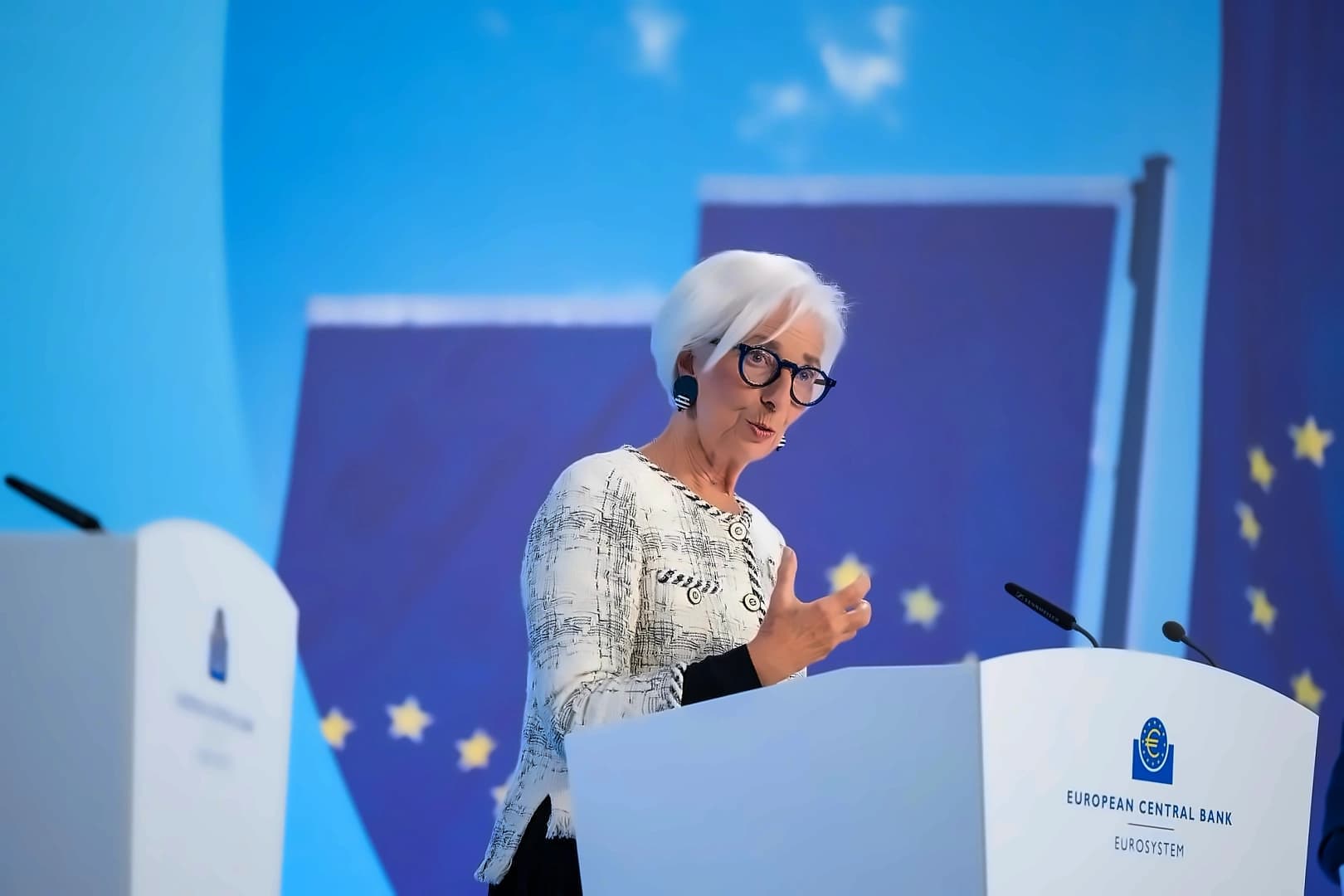
The primary driver behind Sweden's renewed interest in a digital krona is the European Central Bank's progress toward introducing a digital euro. As reported by crypto.news, the ECB plans to begin a 12-month pilot during the second half of 2027 and is working toward possible issuance in 2029, subject to necessary legal approvals. The testing program will involve 19 national central banks and 36 banks and payment firms, covering online purchases, physical stores, mobile payments and transfers between individuals. The Riksbank warned that a digital euro could offer payment services that become more attractive to consumers and businesses, potentially weakening the competitiveness of krona-based payment systems.
Beyond the digital euro concerns, the Riksbank identified growing interest in foreign-currency stablecoins as another potential challenge for Sweden. According to the central bank's October letter, digital tokens linked to the US dollar could eventually affect domestic use of the Swedish krona. The bank stated that if stablecoins pegged to foreign currencies become attractive as payment methods, use of the Swedish krona could face pressure even domestically. This concern aligns with broader European monetary official warnings, as ECB Executive Board member Isabel Schnabel noted that the global stablecoin market was approaching $300 billion, with Tether's USDT and Circle's USDC accounting for roughly 90% of its value.
The Swedish market has already witnessed developments involving digital versions of its national currency outside the central bank's CBDC project. In June 2026, Frankfurt-based AllUnity launched its Swedish krona stablecoin SEKAU under the European Union's Markets in Crypto-Assets Regulation. The token is backed by Swedish krona reserves at a 1:1 ratio and operates as privately issued digital money, separate from the central bank's proposed digital krona. AllUnity, a joint venture backed by DWS, Flow Traders and Galaxy Digital, made SEKAU available on multiple blockchain networks including Ethereum, Solana, Base, Tempo and Polygon, with Banking Circle serving as the designated reserve and transaction bank.

Sweden has previously conducted extensive research into digital central bank money, with the Riksbank studying technical, economic and legal questions surrounding the e-krona between 2017 and 2023. Its technical pilot work ended in 2023, after which the institution continued monitoring international CBDC developments. The central bank maintains that a digital krona would complement banknotes and coins, not replace them, and would give people another way to hold and use state-issued money alongside physical cash. The ECB's eventual issuance decision will still depend on the completion of the EU legislative process and a separate decision by its Governing Council, while legislative work in Europe has progressed with the European Parliament's Economic and Monetary Affairs Committee advancing the digital euro framework in June.