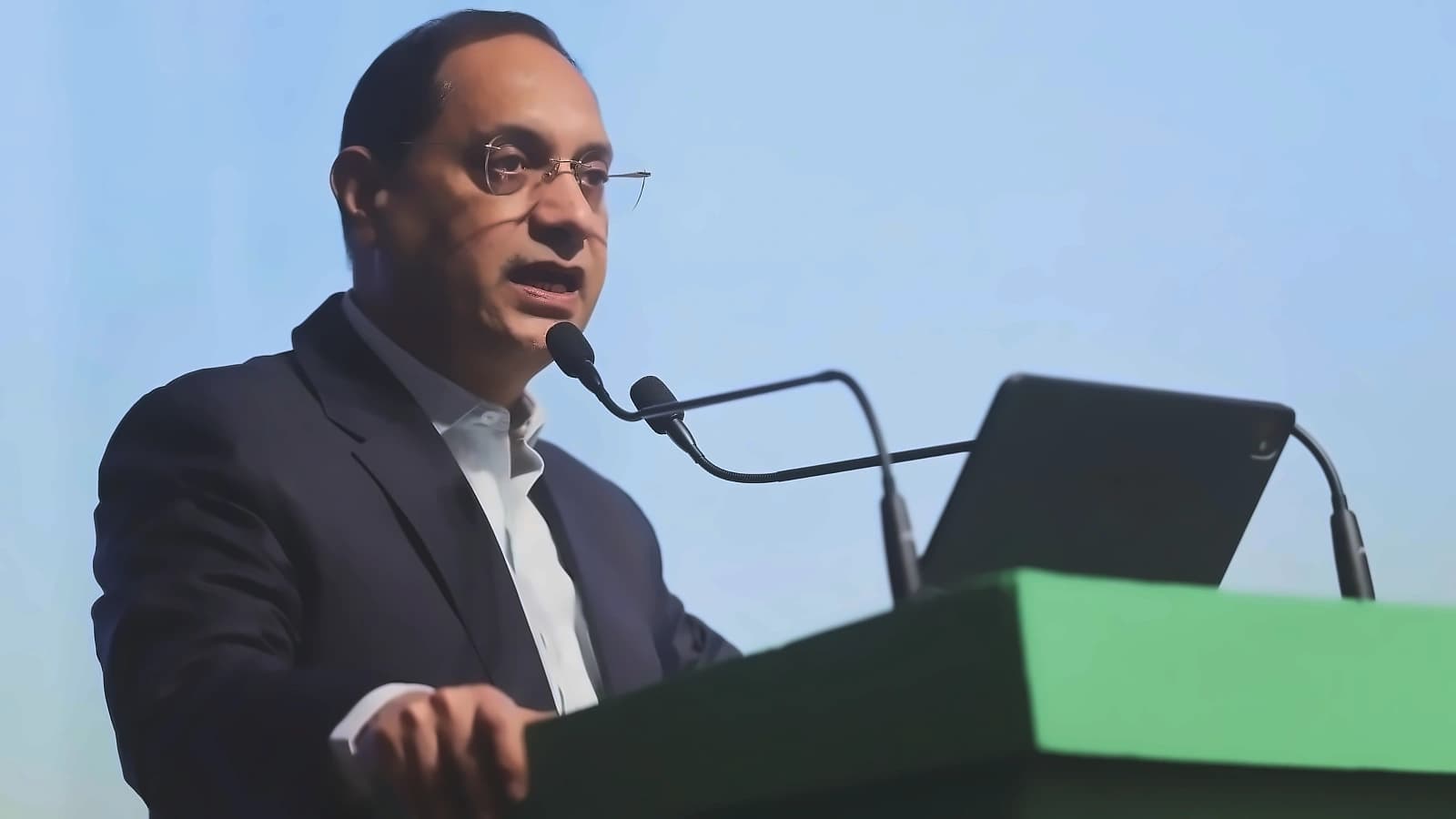
Strive Asset Management has joined the growing chorus of industry voices advocating for cryptocurrency tax reform. According to reports from crypto.news, Strive CEO Matt Cole has backed removing Bitcoin capital gains taxes and said the firm is actively working with policymakers in Washington on the issue. Cole shared his view on X, agreeing with arguments that removing Bitcoin capital gains taxes would be the most important step for driving adoption. He stated that Strive is 'actively engaging DC regularly to make this happen' and added that the firm is dedicating resources to the effort through the Bitcoin Policy Institute. The advocacy comes as the debate over crypto taxation is set to intensify, with Cole emphasizing that such policy changes could significantly accelerate cryptocurrency adoption in the United States. As reported by crypto.news, Cole responded to an X user who stated that removing Bitcoin capital gains tax is the most important step to drive Bitcoin adoption, with the user arguing that without capital gains taxes, people would be more likely to use Bitcoin as a form of money rather than simply holding it as a speculative investment.
The advocacy comes as Strive recently expanded its Bitcoin treasury to 19,000 BTC after purchasing 2,500 Bitcoin for approximately $185.2 million between May 23 and June 1. As reported by crypto.news, the filing stated that the coins were acquired at an average price of about $74,092 per Bitcoin, including fees and expenses. This significant increase in holdings demonstrates the firm's continued commitment to cryptocurrency investments despite ongoing tax policy debates. The firm's efforts align with broader industry discussions on how to create a more favorable regulatory environment for digital assets.
As ViaBTC CEO Haipo Yang reflects on the cryptocurrency industry's evolution over the past decade, he highlights how blockchain technology has fundamentally transformed traditional financial infrastructure. According to Yang's analysis in A Decade in Retrospect: Re-evaluating the Value of Crypto, crypto has rewritten the hardest-to-move pieces of infrastructure in traditional finance including market making, trading, settlement, and issuance through open protocols like Uniswap and GMX. The industry has evolved from a small circle of miners and early enthusiasts in 2016 to a system where Bitcoin has entered the ETF system and stablecoins have become important channels for dollar liquidity in some regions. Yang distinguishes between blockchain as trust-minimizing technology, Web3 as an application model requiring genuine utility, and crypto assets, noting that most tokens lack the dual support of block space commodity value and sovereign liquidity premium that Bitcoin possesses.

The timing of Strive's advocacy aligns with Congressional efforts to examine digital asset taxation. According to reports from crypto.news, the U.S. House Ways and Means Committee is scheduled to hold a hearing on June 9 focused on cryptocurrency tax treatment. The committee has released seven discussion drafts covering topics such as stablecoins, staking rewards, mining income, and transaction reporting requirements. Industry organizations have long argued that existing tax rules create difficulties for everyday cryptocurrency use, with concerns becoming a recurring topic in policy discussions involving digital assets. Under current IRS guidelines, cryptocurrencies are classified as property, meaning transactions involving Bitcoin and other digital assets are subject to capital gains taxes when sold or exchanged.
Looking ahead, industry leaders emphasize the need for 'sustainable participation' rather than 'open participation' as the next decade's focus. As Yang predicts, value will concentrate towards the few networks that genuinely possess security, liquidity, and ecosystem density, with BTC and ETH occupying majority market cap due to natural network effects. The push for Bitcoin tax reform extends beyond Strive, with industry leaders emphasizing the critical need for regulatory clarity. Digital Chamber CEO Cody Carbone stated that 'The need for digital asset tax clarity is critical' as lawmakers move forward with efforts to update digital asset tax regulations. Several measures are being considered to simplify compliance for crypto investors while providing clearer guidance on staking and mining activities, with lawmakers also considering a potential de minimis exemption that would allow smaller crypto transactions to be excluded from tax reporting requirements.