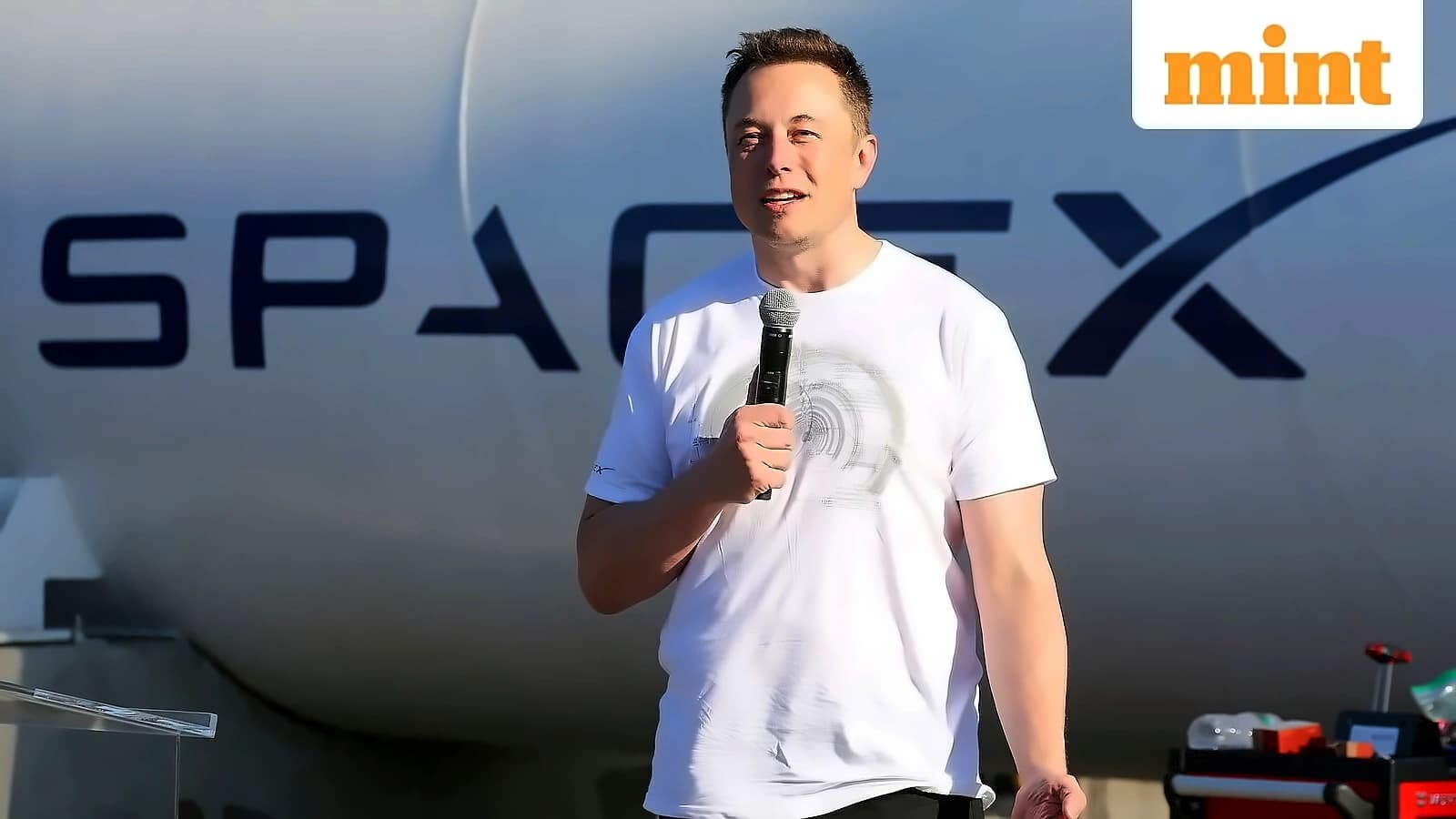
Elon Musk's estimated fortune has fallen to approximately $695.7 billion, dropping below the $700 billion mark for the first time since December 2025, according to Forbes data. The latest decline came after SpaceX shares dropped 4.8% to around $109.50 by 10:50 AM EDT on Monday, erasing approximately $29.5 billion from Musk's personal wealth. Since reaching a peak net worth of $1.45 trillion on June 16, Musk's wealth has declined by around $750 billion, with approximately $116 billion of that reduction resulting from Tesla stock option revisions following new vesting arrangements. Despite the sharp correction, Musk remains comfortably ahead of other billionaires, with Google co-founder Larry Page's wealth estimated at $268.5 billion and fellow co-founder Sergey Brin at around $247.1 billion. The billionaire had hinted at the decline in his fortune last week, posting (Former) trillionaire on social media platform X, reflecting his own acknowledgment of the dramatic wealth erosion.
SpaceX has created a staggered release schedule featuring at least 16-17 unlock dates tied to different criteria, as detailed in the company's prospectus dated June 11, 2026. During the IPO, Elon Musk's SpaceX raised nearly $86 billion by selling just 5% of its stock, leaving 95%, approximately 12.5 billion shares, locked up. The first major unlocking occurs on the second full trading day after the first earnings release date on August 4, 2026, when up to 911.5 million shares get freed up for sale. Insiders are also allowed to sell up to 7% of their stock on each of seven specific dates: August 20, September 9, September 10, September 24, October 9, and October 24. The biggest release comes on the second full trading day after quarterly results for the period ending September 30, 2026, when approximately 1.3 billion shares of Class A common stock, making up 28% of shares under the 180-day lock-up, get unlocked.

SpaceX successfully completed the largest IPO in history on June 12, 2026, raising $75 billion at a valuation of $1.77 trillion, with shares opening significantly higher than the $135 IPO price. The stock surged over 20% on its debut day, catapulting Elon Musk's net worth to $971 billion according to the Bloomberg Billionaires Index, making him the world's first trillionaire. Musk owns approximately 4.8 billion SpaceX shares, representing roughly 42% of the company's common stock, plus around 350 million stock options with an exercise price of $8.39 per share. Combined with his existing Tesla stake (13% worth about $350 billion), Tesla stock options (about $100 billion), and stakes in Neuralink and The Boring Company, Musk's total holdings are worth roughly $860 billion. The IPO priced 555 million shares at $135, with the company's balance sheet showing $102 billion in assets against $60.5 billion in debt, reflecting the immense cost of building businesses across Earth and beyond.
SpaceX short sellers have accumulated an estimated $15.5 billion in paper profits as of Tuesday, July 22, according to Ortex Technologies data cited by Reuters, as the stock continues to unwind its spectacular post-IPO surge. The stock closed at $115.26 on Wednesday, down 6.70% on the day, leaving it roughly 49% below its June 16 peak of $225.64 and about 15% under its IPO price of $135. Short interest has surged dramatically to 31% of the tradable float, representing approximately 196 million shares worth about $25 billion in notional bearish bets, according to Ortex Technologies estimates. This represents a dramatic increase from just 40 million shares (less than 7% of float) at the IPO and 185 million shares (29% of float) as of July 16. Ortex estimated the paper gains at $8.7 billion as of July 16, meaning bears nearly doubled their unrealized profits in just six days as the stock kept falling. About 49% of SpaceX's free float was out on loan, with Ortex believing most of that reflects active short selling, creating acute two-way risk where every one-dollar move is worth more than $300 million to the short side.
The company's debut earnings report is set for August 4, 2026, and that date triggers the first major lock-up expiration. Starting August 6, insiders may sell up to 20% of their eligible locked-up shares, totaling as many as 911.5 million shares, per CNBC. The unlocking schedule points to more weakness ahead, not less, with the stock losing 30% in just the last 30 days. As of June 12, 2027, up to 6.4 billion shares of Class A common stock become available, representing all shares held by Musk, including shares convertible from his Class B common stock. The decline in SpaceX's valuation has also affected crypto-linked contracts tracking the company's stock on Hyperliquid, with the contract falling by about 50% from its June 16 peak of $228.74 to around $114.50. Before the listing, Aswath Damodaran, a professor at New York University, had valued SpaceX at around $1.3 trillion in his post-prospectus assessment, while Morningstar analysts valued it using projected cash flows at $780 billion, which is 50% lower than its current market capitalization.