A solo Bitcoin miner has achieved an extraordinary win using minimal equipment, earning 3.1382 BTC worth approximately $200,000 by mining block number 957,382. According to reports from CoinDesk, the miner was operating a low-power Bitaxe device for just eight hours through the Public Pool service. The miner's average hash rate was a modest 995 GH/s, equivalent to approximately 1 terahash per second. This marks the second time a single Bitaxe has successfully solo-mined a block on Public Pool, demonstrating the device's surprising mining capabilities. The miner's success was a statistical anomaly, with the Bitcoin network's total hashrate currently exceeding 600 exahashes per second (EH/s) - meaning the solo miner's contribution represented less than 0.0000001% of the network's total computational power. The payout included the 3.125 BTC block subsidy plus approximately 0.0132 BTC in transaction fees, as confirmed by Public Pool.
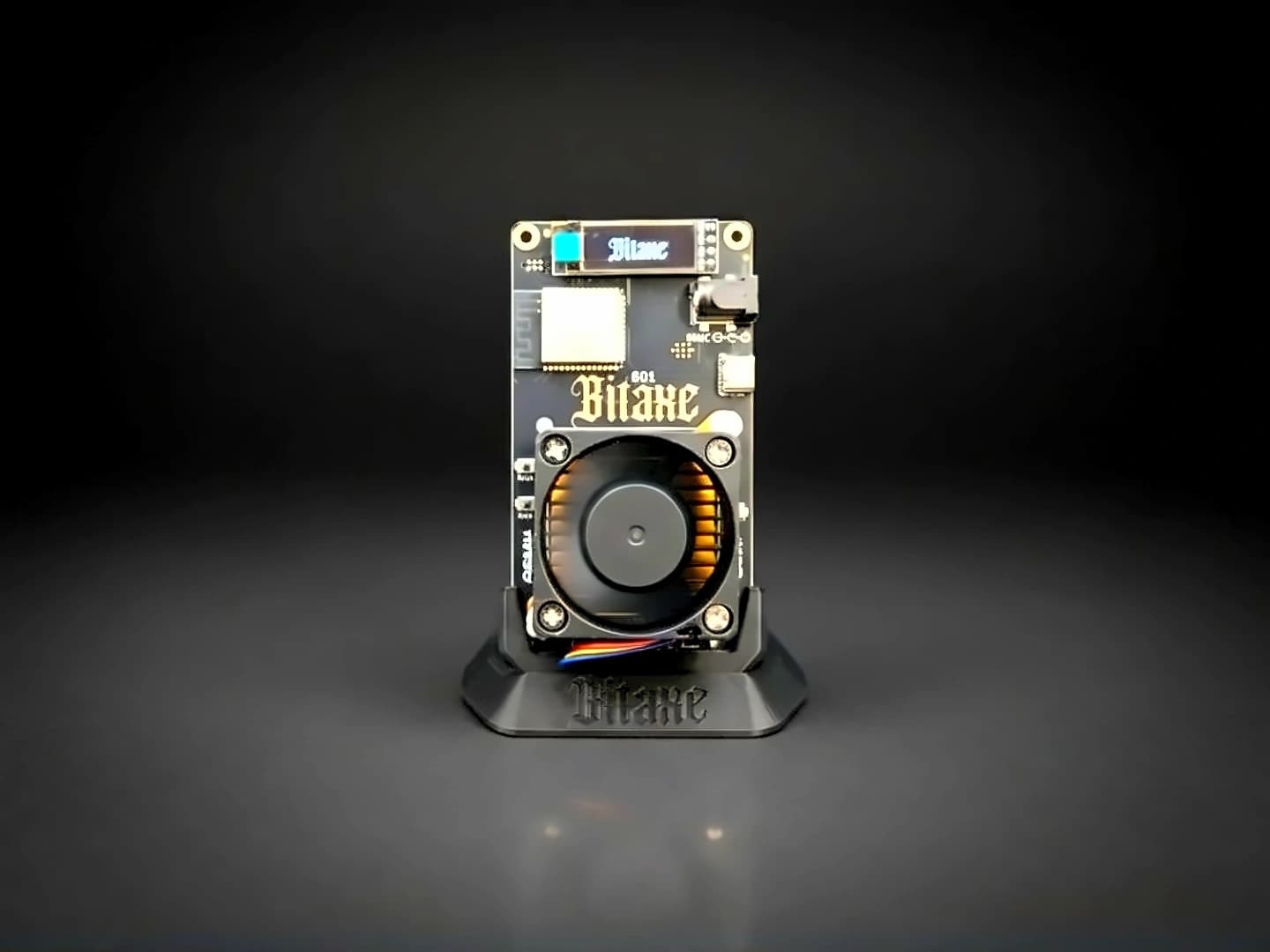
The winning miner used a Bitaxe device, an open-source, credit-card-sized ASIC miner powered by the same Bitmain BM1370 chip found in massive industrial Antminer S21 machines. As reported by CoinDesk, the Bitaxe Gamma version delivers 1 to 1.3 terahashes per second while consuming only 15 to 21 watts of power. The device is available for purchase at a cost between $60 and $150, making it accessible to hobbyist miners. The miner's modest investment of time and equipment yielded the significant payout despite odds estimated at one in 18,000 years. The Bitaxe typically operates at a hashrate of around 400–500 gigahashes per second (GH/s) and is designed for hobbyists and educational purposes rather than serious profit-generating operations. CoinDesk estimates that a machine running at the winning rate would find a block approximately once in 18,000 years on average.
Solo Bitcoin mining has experienced significant growth, with 24 blocks found in the past 12 months, representing a 41% increase year over year. According to Public Pool data, solo miners have already claimed 12 blocks in 2026 alone, including a previous win of 3.16 BTC on June 29. The total payout from these solo mining efforts has reached 75.44 BTC over the past 12 months. Recent notable wins include a miner using a small cluster of 14 Canaan Nano devices hitting a block on Braiins Solo on May 31, demonstrating the growing success of solo mining operations. As previously reported by crypto.news, a solo miner earned about $271,000 in December 2025 after finding block 928,351, while another received roughly $282,000 that month despite odds estimated near one in 30,000. The increase in successful blocks does not make solo mining predictable, as Bitaxe devices can sell for between $60 and $150, but their expected income remains extremely low, with most users running identical machines for years without finding a block.
While solo mining continues to generate significant returns, the broader Bitcoin mining industry faces challenges. Bitcoin's mining difficulty fell 5% to 127.17 trillion at block 957,600 on July 11, following a more than 10% decline in mid-June before partial recovery. Lower difficulty slightly improves the odds for active miners, including home devices, but it does not remove the gap between a one-terahash Bitaxe and industrial facilities operating millions of times more computing power. Several major Bitcoin mining companies are pivoting into artificial intelligence data centers and related infrastructure to maintain profitability as margins continue to face pressure. The mining difficulty adjustment reflects the industry's ongoing challenges with profitability and operational efficiency. This incident has driven a surge of interest in the Bitaxe and similar ultra-low-cost miners, with enthusiasts viewing them as educational tools and a way to participate in network security directly, rather than as serious profit-generating machines.