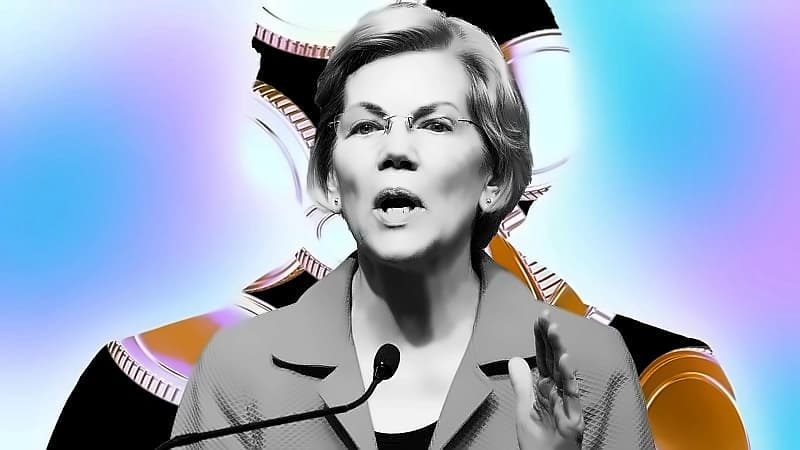
Three senior Democratic lawmakers have withdrawn their opposition to the U.S. Labor Department's proposal that would allow cryptocurrencies in 401(k) retirement plans. According to AMBCrypto, Representative Robert Scott, along with Senators Elizabeth Warren and Bernie Sanders, had previously called on the department to withdraw its proposal allowing private equity, private credit, digital assets, and similar investments to be offered through retirement plans. The lawmakers, who serve as the ranking members of the Senate Banking Committee, Senate Committee on Health, Education, Labor and Pensions, and House Committee on Education and Workforce respectively, had argued that the policy could expose retirement savers to assets they described as highly volatile and vulnerable to fraud. However, in a recent development, these same lawmakers have now withdrawn their proposal to block the rule, marking a significant shift in their position.
The Department of Labor unveiled the proposed rule in March, outlining steps that 401(k) plan managers should take when considering the incorporation of alternative assets into their investment portfolios. As reported by The Block, the rule includes private equity, real estate, and digital assets as potential investments. The proposal came after President Donald Trump directed the agency in an executive order on April 30 to pave the way for alternative asset inclusion in retirement plans. According to Benzinga, the proposed rule represents one of the largest potential capital inflows into crypto ever considered by US policy, with 401(k) plans collectively holding over $10.1 trillion in assets. Under the proposal, retirement plans would not be required to add digital assets or private funds, but employers choosing to offer such investments would need to document detailed due diligence before making them available to participants.
The lawmakers raised significant concerns about digital assets' volatility and insufficient investor protections. In their letter, Sanders, Warren, and Scott stated that 'The application of securities laws to crypto assets is rapidly evolving, and many securities law protections that investors have for public securities may not be available for crypto. This lack of sufficient guardrails is likely to harm investors.' They cited research from the U.S. Government Accountability Office describing crypto assets as uniquely volatile and difficult to evaluate using traditional forecasting methods. According to AMBCrypto, the lawmakers emphasized that 'unlike traditional stocks and bonds, assets such as private equity and cryptocurrency are more volatile, opaque, and difficult for average investors to evaluate.' They warned that exposing retirement accounts to these assets could lead to greater losses for employees saving for retirement. The proposed regulation, according to the letter, 'erodes the protections that have traditionally restricted the use of sophisticated investments in retirement plans.'
Current opposition from Democrats also targets the policy's origins within the Trump administration. The lawmakers questioned whether the proposal could financially benefit individuals connected to the administration, with their letter stating 'President Trump was rife with conflicts of interest in this area,' citing the Trump family's involvement with crypto venture World Liberty Financial. According to AMBCrypto, the lawmakers flagged conflicts of interest by stating 'In the midst of these egregious conflicts, the DOL's proposed rule has the potential to boost the President's bottom line at the expense of ordinary workers and retirees.' Questions surrounding ethics and conflicts of interest have also surfaced during congressional negotiations over the CLARITY Act, a digital asset market structure bill expected to receive Senate attention in the coming weeks. Democratic lawmakers have repeatedly stated they will oppose crypto legislation that does not include provisions addressing ethics and potential conflicts involving public officials.
The withdrawal of Democratic opposition has created mixed reactions within the cryptocurrency industry. As reported by AMBCrypto, advocates countered that this may lead to increased adoption of cryptocurrencies in the U.S. retirement market, believing the rule may lead to a rise in the use of Bitcoin [BTC] and cryptocurrency-related investment products in 401(k) plans. Asset managers might introduce more cryptocurrency products targeted at retirement, with the potential to expose retirement funds worth trillions of dollars to digital assets over time. However, the lawmakers emphasized that 'Federal efforts to expand retirement income must prioritize cost-effectiveness, stability, and safety to avoid exposing seniors to major losses and financial instability.' The Digital Chamber (TDC) has also recently voted against Senator Warren's assertions that the law is broken by national trust bank charter approvals for cryptocurrency companies, adding another dimension to the ongoing debate.