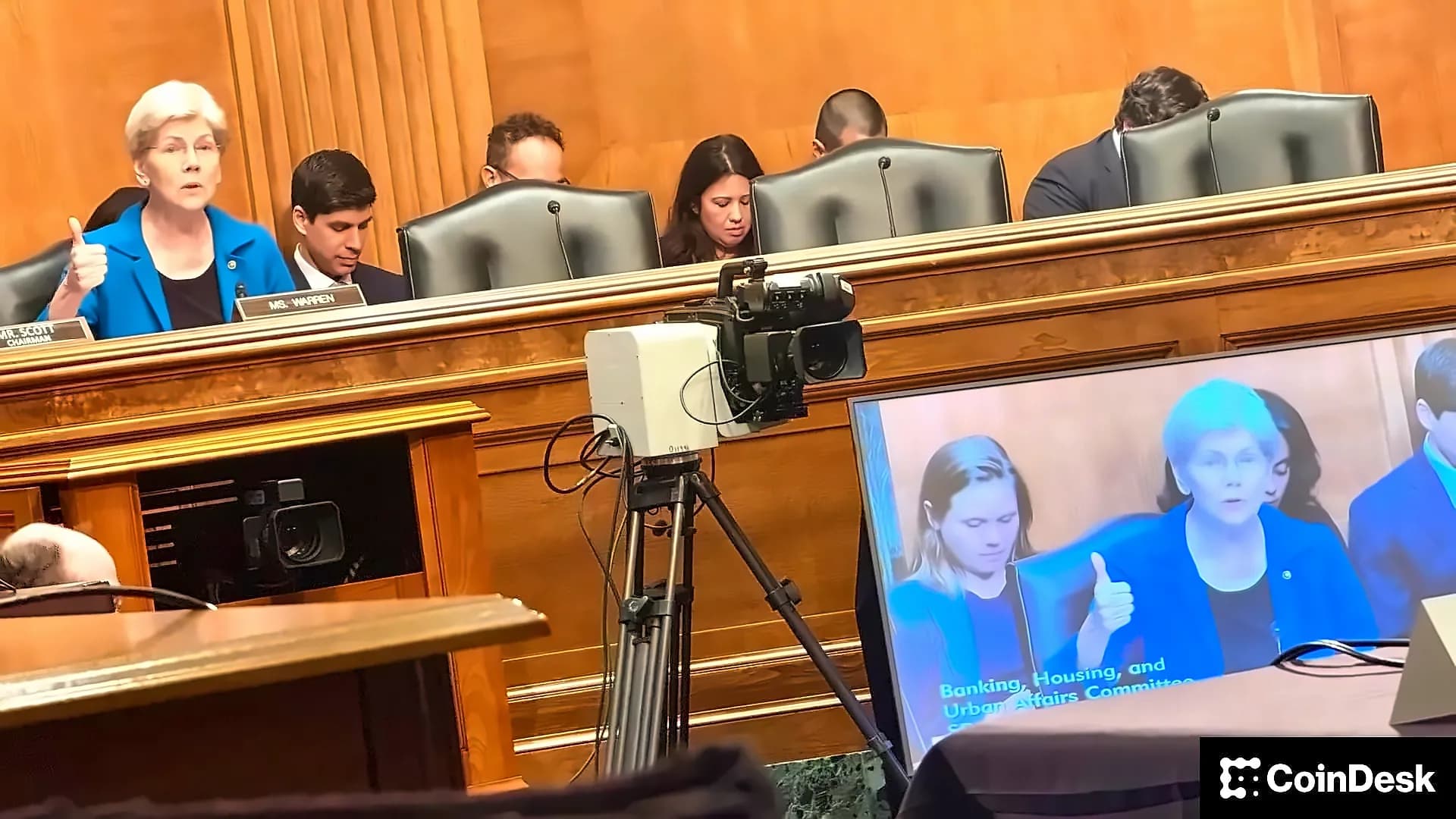
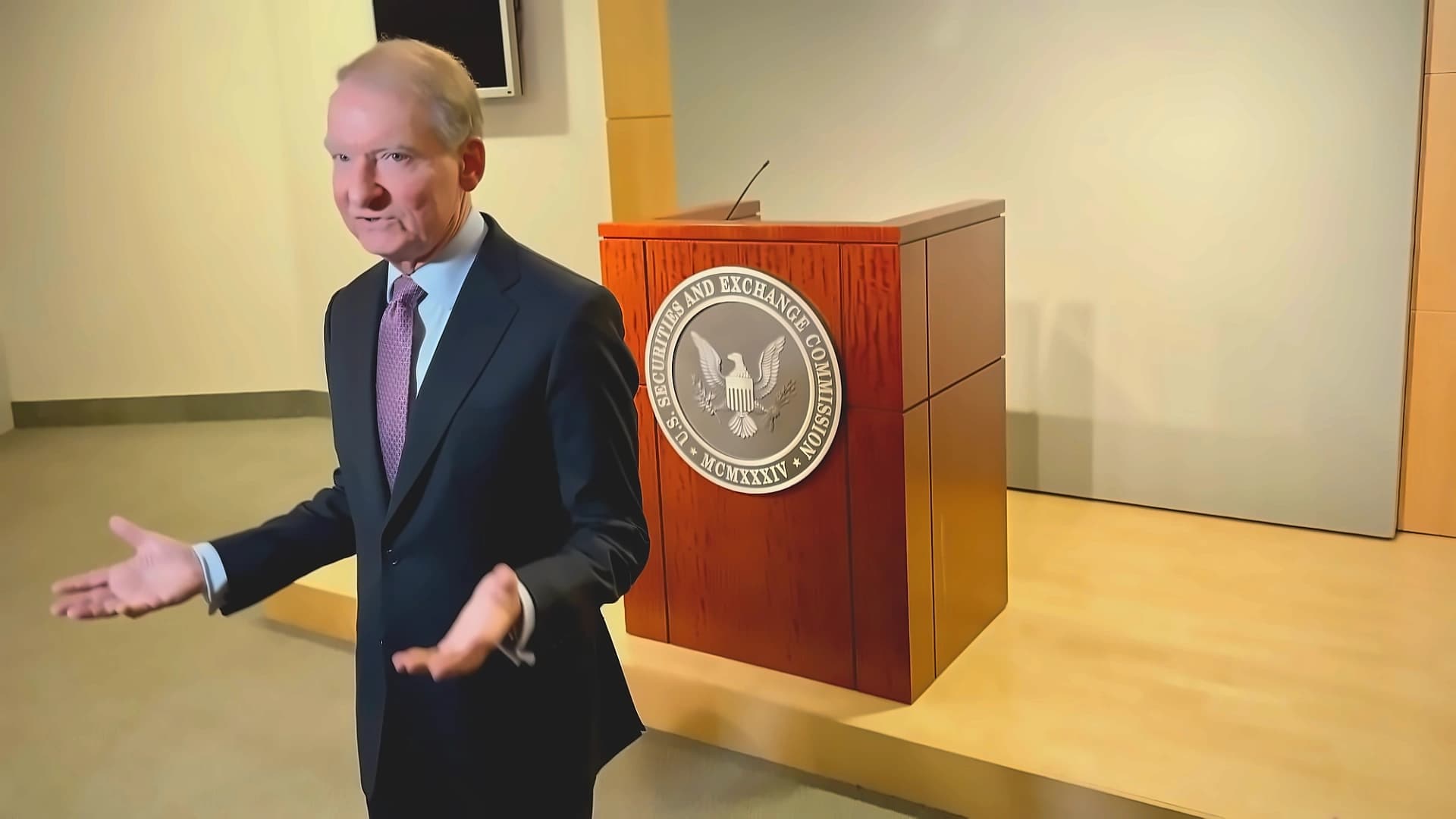
The U.S. Senate Banking Committee will hold a markup vote on the Digital Asset Market CLARITY Act tomorrow, May 14, at 10:30 AM ET, marking the most comprehensive crypto regulation bill ever written. Sources report the bill appears to have the 13 votes needed to clear committee, with the Senate Banking panel currently split 13 Republicans to 11 Democrats. The legislation has gained significant institutional backing, with $7 trillion asset manager Fidelity announcing its support for the bill, stating it will "ensure the US remains a global leader in digital assets" through its backing of the legislation. Coinbase CEO Brian Armstrong called the bill "strong" and stated it will benefit the American people by making the U.S. financial system faster, cheaper, and more accessible.
Cardano founder Charles Hoskinson has publicly urged U.S. lawmakers to preserve Section 604 of the CLARITY Act, warning that removing the provision could trigger a mass exodus of blockchain developers to more accommodating jurisdictions like Switzerland, Singapore, or the European Union under its Markets in Crypto-Assets (MiCA) framework. Hoskinson described recent calls from some policymakers to remove Section 604 as "nonsensical," arguing that such a move would set a dangerous precedent. He compared holding a developer responsible for a user's crime to charging an author with murder because a reader was inspired by a book to commit a violent act. The provision would prevent developers from being held criminally or civilly liable for actions taken by third parties who use their software for illicit purposes, such as money laundering or sanctions evasion, without the developer's knowledge or consent. Hoskinson's intervention adds a prominent voice to a growing chorus of industry leaders, including representatives from the Blockchain Association and Coin Center, who have submitted testimony advocating for clear safe harbors.
The CLARITY Act could unlock trillions of dollars in institutional capital for the crypto market once passed. Under the bill, crypto projects may legally transition from "security" status to "commodity" once they become sufficiently decentralized, providing clearer regulatory pathways for institutional adoption. Even a modest 2-3% allocation from U.S. financial institutions could represent $3-4 trillion in potential demand for crypto and blockchain assets. For comparison, Spot Bitcoin ETFs have only attracted around $59.8 billion in cumulative net inflows since launching on January 11, 2024. If the CLARITY Act passes, it could mark the beginning of the largest wave of institutional capital ever to enter the crypto market, addressing years of regulatory uncertainty that has kept major institutions, banks, pension funds, and corporations away from crypto exposure.
Senator Chris Van Hollen has filed an amendment to prevent the president, vice president, and other federal officials and their families from owning or promoting digital assets, addressing concerns about President Trump and his family's crypto ventures. As reported by The Block, Bloomberg estimated in January that Trump and his family had amassed at least $1.4 billion from crypto-related projects since the inauguration, including projects tied to World Liberty Financial. Senator Warren has written on X that the latest version of the bill would 'turbocharge the massive conflict of interests posed by Donald Trump and his family's crypto ventures', adding that 'No bill should move through the Banking Committee without real ethics guardrails.' On Tuesday, senators met in a closed-door meeting to negotiate ethics language, with Senator Cynthia Lummis telling reporters that lawmakers are making progress and that Trump himself would need to sign off.
Polymarket traders now price the bill's 2026 passage odds at 73%, and recent polling shows a majority of voters back the framework. Faryar Shirzad, chief policy officer at Coinbase, said his team is reviewing the latest text and called it 'a strong compromise and a result of hard work from all parties involved.' The Crypto Council for Innovation and the Blockchain Association strongly supported the bill in a letter to the Banking Committee, with Summer Mersinger, CEO of Blockchain Association, stating 'The Senate's version of the Clarity Act delivers certainty, safeguards, and accountability, while protecting Main Street, strengthening national security, and keeping innovation in America.' However, Bitcoin is trading near $80,000 as macro conditions remain dominant influences, with strong U.S. inflation data reducing expectations for near-term rate cuts and reinforcing a 'higher-for-longer' macro narrative that tends to constrain risk assets.