The Digital Asset Market Clarity Act faces its most critical test on Tuesday as the Senate holds a procedural vote that will determine whether the legislation advances to debate. According to NPR, the bill would need 60 'yes' votes to clear the hurdle, meaning all 53 Republicans would have to back it, along with seven Democrats or Independents. However, this represents far from a guaranteed outcome, as the legislation has faced significant opposition throughout its legislative journey. The bill has already passed the House 294-134 more than a year ago, but the Senate version has encountered substantial resistance, with opponents arguing it would give the CFTC, a far smaller regulator, majority control over crypto oversight. Even if the Senate advances the bill, both chambers would still need to agree on a final version before it reaches President Trump, with midterm elections approaching in early November potentially complicating the timeline. A cloture vote is now scheduled for September 15, 2026 at 2:15 p.m. ET, but prediction markets give the bill only approximately 17% odds of becoming law in 2026. The legislation is not yet law, representing a critical juncture for U.S. crypto regulation.
The banking industry's opposition to the Clarity Act is showing signs of softening as major financial institutions recognize the potential benefits of regulatory clarity. According to CoinDesk, BlackRock, Fidelity, Goldman Sachs, and other Wall Street giants have supported the Clarity Act, recognizing that blockchain technology is rapidly integrating into the financial system. This shift represents a significant change from earlier warnings that the legislation could give crypto companies an unfair competitive edge over traditional banks. The White House Council of Economic Advisers estimated that banning stablecoin yield would increase aggregate bank lending by just 0.02% under baseline assumptions, with community banks seeing an estimated increase of 0.026%. As reported by CoinDesk, the evidence suggests this impact may be overstated, with other empirical research finding no material impact of stablecoin adoption on community bank deposits. However, community bankers have been especially vocal against the bill, with Rebeca Romero Rainey, president and CEO of the Independent Community Bankers of America, arguing that allowing crypto companies to offer incentives would pose a direct threat to their business and lead to lost customers.
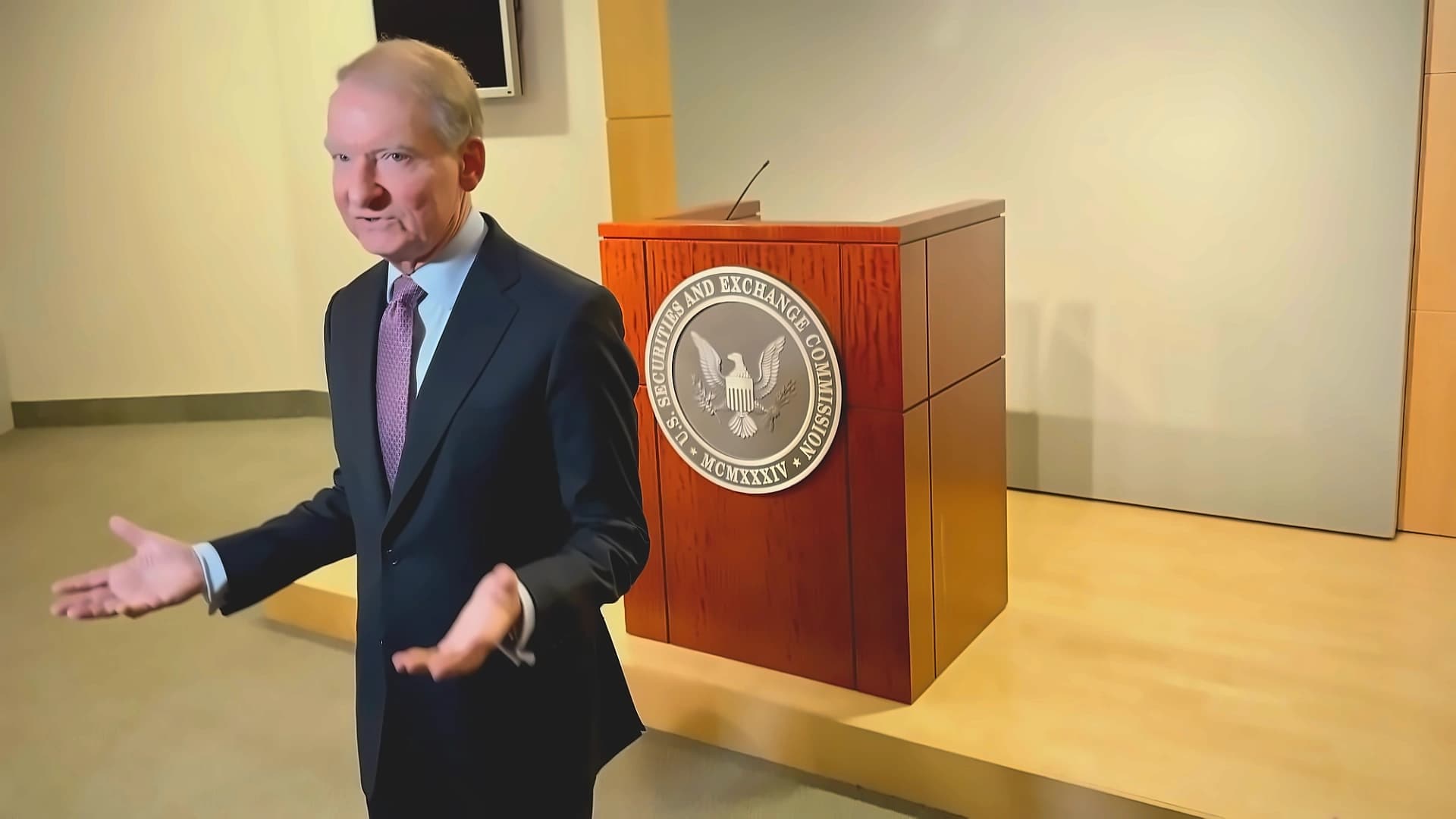
U.S. Securities and Exchange Commission Chair Paul Atkins urged Congress to advance the crypto market structure bill known as the Clarity Act during a keynote address at a Solana Policy Institute event in Washington. According to reports from CoinDesk, Atkins stated that 'Congress should vote to advance the Clarity Act and send it to the president's desk as soon as possible.' However, he emphasized that the agency's crypto regulatory agenda will continue regardless of the legislation's fate, declaring 'with or without that legislation, this administration will deliver for American investors and technological innovators.' Atkins has been particularly vocal about the regulatory need, stating 'Whether you love crypto or you hate crypto, you should want it regulated,' adding 'And this is the best opportunity we have ever had to do just that.' The legislation has already gained significant bipartisan support, with the Clarity Act passing the House 294-134 more than a year ago, and now requires at least 60 Senators to advance the legislation through the amendment process.
Atkins outlined the SEC's parallel regulatory initiative under 'Project Crypto' during his speech, identifying three key areas that will form the foundation for digital asset regulation. As reported by CoinDesk, the first pillar is the SEC's proposed Regulation Crypto Assets, which Atkins described as one of the commission's most significant efforts to modernize securities regulation for crypto. The second pillar involves an overhaul of transfer agent rules to include blockchains for digital ownership ledgers, with Atkins noting these rules have not been updated in roughly four decades and were built for paper stock certificates. The third pillar addresses crypto custody for investment advisers and regulated funds, with Atkins asking SEC staff to develop a proposal that would allow advisers to custody crypto themselves and use state trust companies as custodians. The massive legislation, which stretches over 600 pages, would establish the first regulations for the crypto sector in U.S. history, marking a sea change from today's regulatory environment where crypto rules can change depending on who controls the White House.
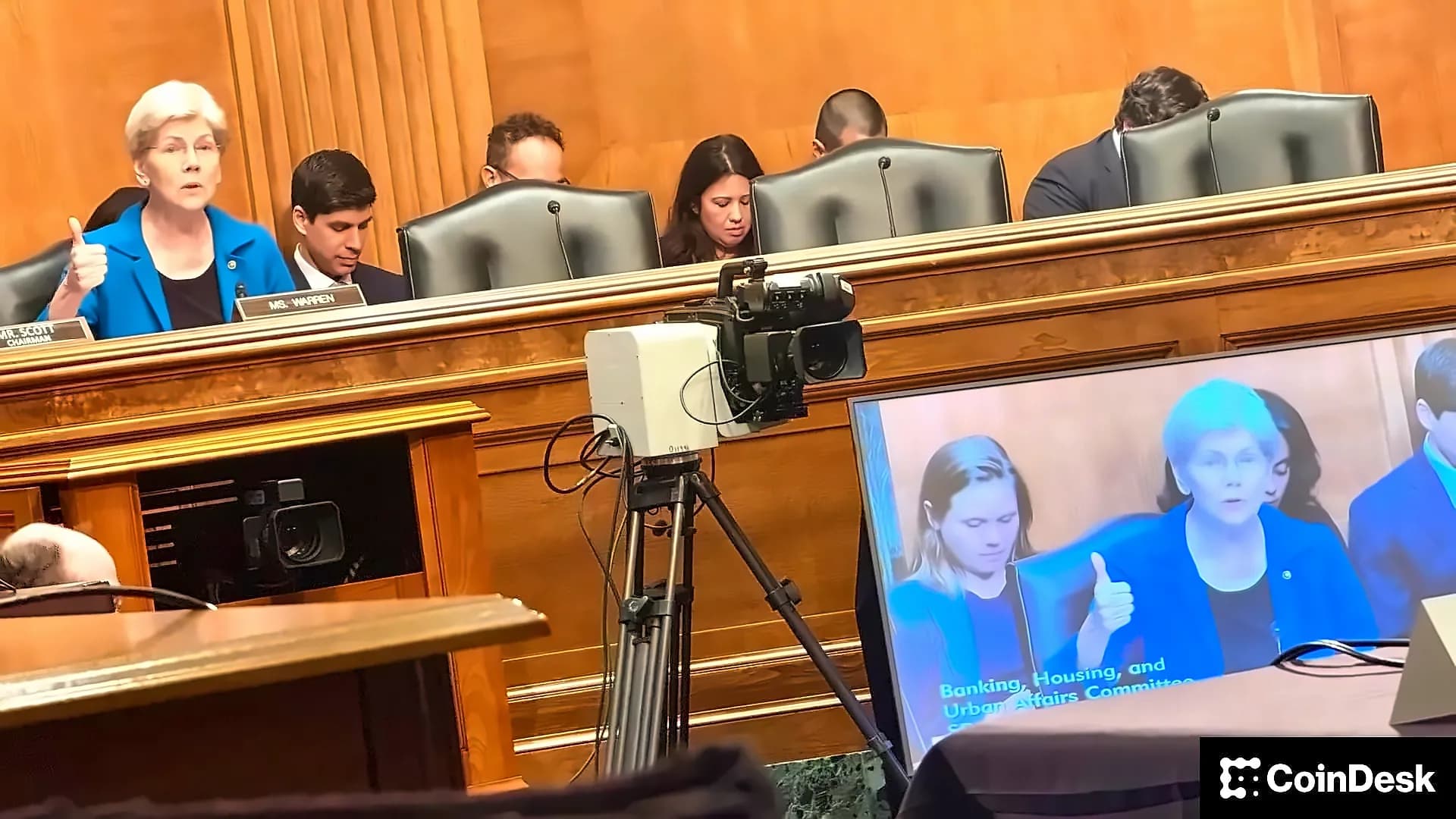
A key sticking point for Democrats involves an ethics clause intended to prevent presidents and other elected officials from profiting from the crypto industry while in office. According to NPR, Democrats, including Massachusetts Sen. Elizabeth Warren, have argued the clause doesn't do enough to prevent conflicts of interest. Notably, the Department of Justice would be tasked with enforcing the ethics clause, which Democrats strongly object to since they don't believe the agency would provide a meaningful check on a sitting president. The DOJ is currently led by Todd Blanche, who used to be Trump's attorney, and those concerns intensified after President Trump disclosed he and his family had earned $1.4 billion last year from his crypto ventures - an unprecedented sum for a sitting president. However, Republicans are now trying to break the impasse with new language that would prevent federally elected officials and their spouses from issuing their own cryptocurrencies and require divestment of significant financial stakes in the crypto sector. The legislation would also give state attorney generals more ability to bring lawsuits if they suspect breaches of ethics rules.
The push for regulatory clarity extends beyond crypto companies to major financial institutions that recognize the benefits of stable, predictive rules. According to CoinDesk, a group of 21 financial institutions including Bank of America, Citi, and Deutsche Bank announced plans to form a company that will issue a U.S. dollar stablecoin, with a launch targeted for the first half of 2027. The Clarity Act represents a massive step in creating guardrails for the executive branch and implementing a pro-innovation, pro-consumer, transparent regulatory framework for the digital asset industry. As noted by CoinDesk, if the bipartisan Clarity Act isn't passed, the CFTC and SEC will continue rulemaking for the industry, leaving these regulations easily repealable if a Democratic administration is elected in 2029, making the current opportunity for congressional approval particularly critical for the industry's long-term stability. Ryan VanGrack, vice chair of Coinbase, a major crypto firm, stated 'Tens of millions of Americans are investing in products that don't have clear regulatory oversight,' adding 'That's an abomination.'