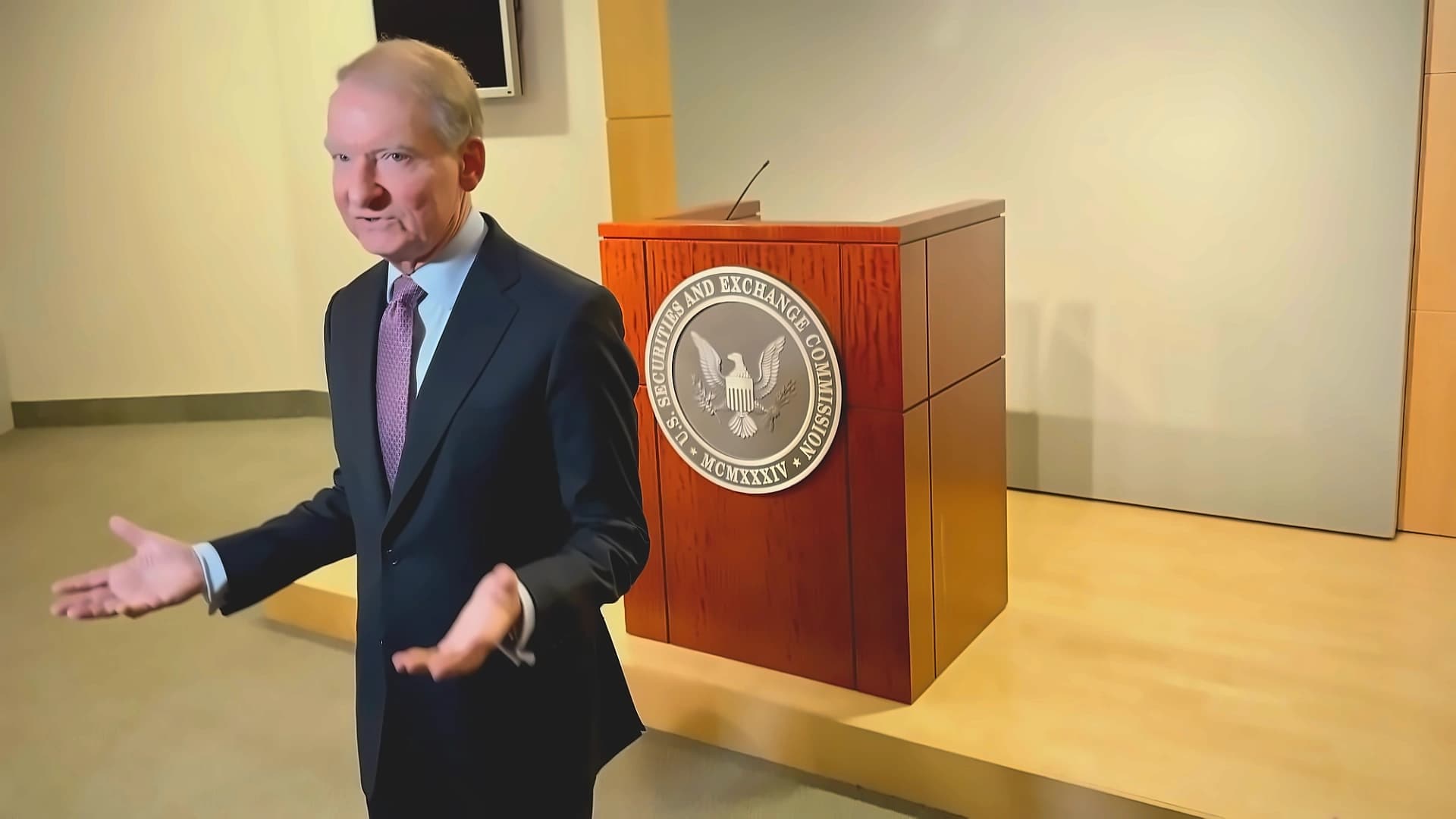
The Senate Banking Committee officially scheduled a markup session for the CLARITY Act beginning Thursday, May 14, at 10:30 a.m. Eastern Time, marking a critical juncture in the legislation's journey through Congress. Senate Banking Chairman Tim Scott (R-SC) released a revised 309-page Clarity Act draft on Monday night, coming after extended talks between lawmakers, crypto companies, banking lobby groups, and policy negotiators working to resolve disputes that derailed an earlier January markup. According to Scott's statement, the updated legislation would provide "certainty, safeguards, and accountability" while strengthening the country's position in digital finance. Committee lawmakers are expected to debate and amend the bill during Thursday's hearing, with momentum around the legislation having weakened earlier this year after Coinbase pulled support over restrictions tied to stablecoin rewards, forcing negotiators back to the table to rewrite key sections.

The revised legislation includes significant changes to stablecoin oversight and DeFi protections that address key industry concerns. Under the updated framework, state-chartered trust companies would be allowed to issue stablecoins until reaching a $10 billion threshold, after which they would transition into mandatory federal supervision. Reserve requirements were tightened substantially, with regulated stablecoins now needing to maintain 1:1 backing using cash or highly liquid assets such as short-term U.S. Treasuries. The legislation also includes language tied to the Blockchain Regulatory Certainty Act (BRCA), which would clarify that developers and infrastructure providers that do not custody user assets should not be treated as money transmitters under federal law. Earlier this week, Senators Chuck Grassley and Cynthia Lummis reached an agreement designed to preserve prosecutors' ability to pursue crypto-related financial crimes, addressing concerns that the BRCA provision could create obstacles for anti-money laundering enforcement.
One of the largest sticking points heading into Thursday's markup remains the absence of conflict-of-interest rules covering federal officials and crypto investments. Senate Banking Committee ranking member Elizabeth Warren criticized the legislation for omitting restrictions on crypto-related profits tied to public officials after the revised draft became public Monday night. During Consensus Miami 2026, Senator Kirsten Gillibrand said Democrats would not support the bill without conflict-of-interest language, while White House crypto adviser Patrick Witt said the administration supports ethics standards applied consistently across government rather than rules targeting a single officeholder. According to Decrypt, Corey Frayer, a consumer advocate who previously worked as a staffer on the Senate Banking Committee, stated that Republican efforts to block ethics language from Thursday's markup are intended to sidestep a sensitive issue that could torpedo the Clarity Act's chances of passage. Bloomberg previously estimated that Donald Trump and affiliated ventures generated at least $1.4 billion through crypto-related activities, including memecoins and links to World Liberty Financial.
The revised legislation has received mixed reactions from industry stakeholders, with Coinbase CEO Brian Armstrong saying the talks did not deliver every requested change but added that the revised framework preserved the industry's "must haves" during a live discussion on X. However, the American Bankers Association and other financial lobby groups have continued lobbying senators for stricter limits tied to stablecoin reward programs ahead of the hearing. In a letter distributed to bank executives over the weekend, Rob Nichols warned the current draft could encourage deposit migration from traditional banks into stablecoins. Research published last week by Galaxy Digital has argued that incoming foreign capital tied to stablecoin adoption could offset concerns around domestic deposit movement, with much of the future growth in stablecoin issuance expected to originate outside the United States. The updated language now permits activity-based stablecoin rewards while banning passive yield for holders, representing a compromise that several crypto firms had pushed for during negotiations.
Digital asset advocacy group Stand With Crypto (SWC) announced on May 11 that it will score recorded votes tied to the CLARITY Act markup, representing more than 2.9 million U.S. advocates as senators consider whether to advance market structure legislation. The group stated: "On behalf of more than 2.9 million U.S. advocates, Stand With Crypto is notifying senators that it will score the Senate Banking Committee's May 14th markup vote on the CLARITY Act." Earlier advocacy work helped build pressure before the markup, with Stand With Crypto calling for Senate Banking action on the bill on April 28 and later delivering a petition to Washington after more than 28,000 Americans signed it that week. Public opinion data added another political layer before the committee session, with Harrisx polling released on May 7 showing 52% support for the CLARITY Act after voters reviewed a summary. The survey also found 70% said the U.S. should already have clear crypto legislation, while 60% preferred federal legislation over case-by-case enforcement.