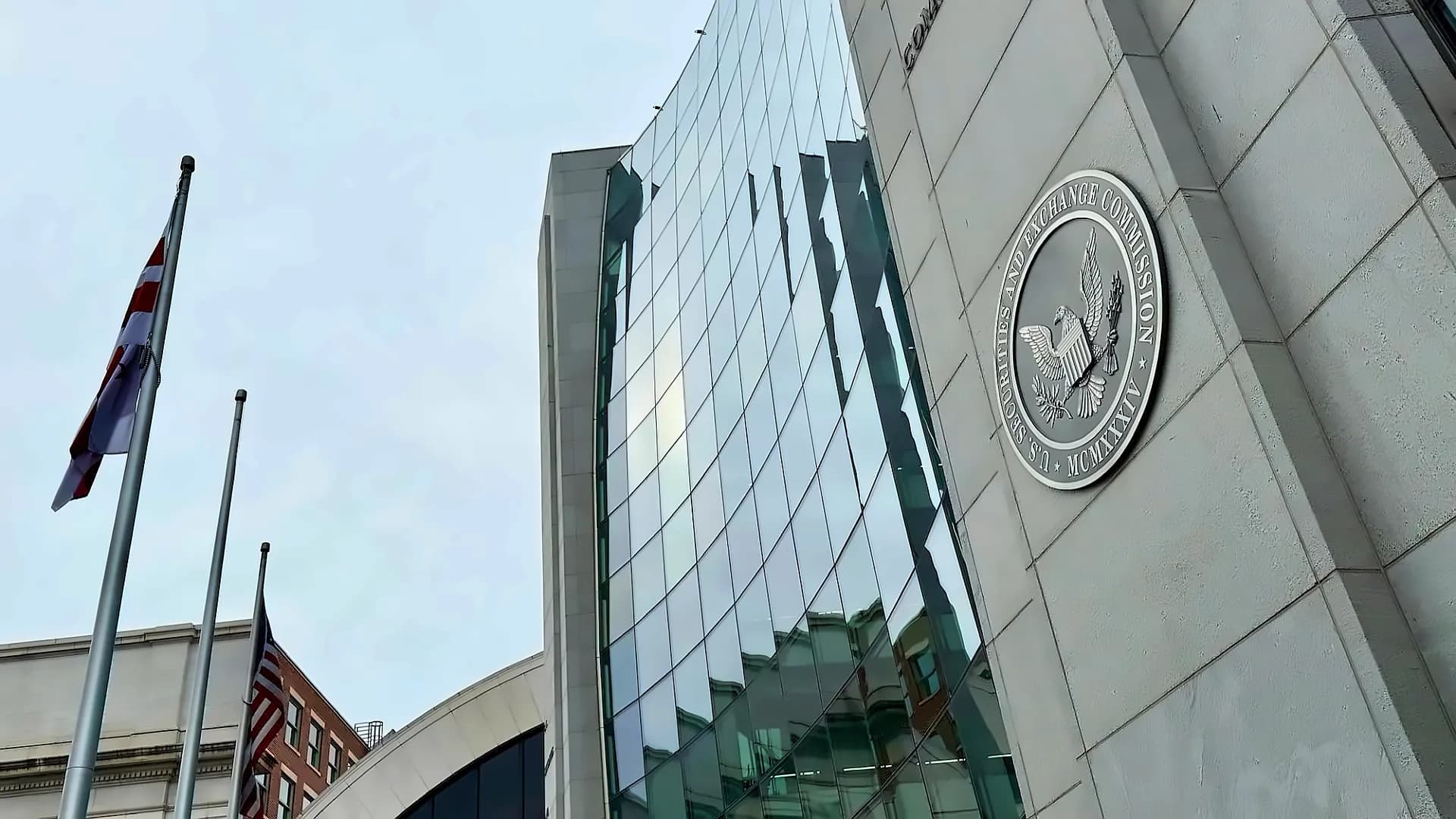
The Securities and Exchange Commission (SEC) has delayed its plan to allow tokenized U.S. stocks, citing insufficient real-time compliance tools for complex, cross-jurisdictional transactions. This decision comes after investor Michael Burry, who famously predicted the 2008 financial crisis, immediately warned that the tokenization plan could trigger a systemic disaster. The delay reflects growing concerns about the readiness of current compliance systems to handle real-time execution in the world's most liquid markets. The opinion article argues that existing systems can verify formal rules but still miss the behavioral and cross-border context where fraud and manipulation emerge, giving digital asset markets more time to address compliance gaps tied to real-time trading and settlement.
The primary concern centers on the one to two day settlement lag that currently exists between trade execution and final settlement. As reported by industry experts, moving toward real-time execution requires compliance systems that can evaluate trades in real time, especially for tokenized U.S. equities. Current systems primarily check boxes rather than understanding context, creating vulnerabilities that could expose retail investors to significant risks. The broader industry implication is that tokenized equities may expand faster than the safeguards needed to monitor nonstop, cross-jurisdiction markets, with the next phase requiring regulators to assemble existing transaction monitoring, pattern recognition and risk tools into a unified compliance structure.
Recent fraud cases demonstrate how compliance failures occur in the context surrounding transactions rather than within the code itself. According to analysis, the Lazarus Group's exploitation of Tornado Cash and Ronin Bridge resulted in $600 million in losses through wallet-hopping across jurisdictions. Similarly, FTX complied with regulations until customer funds were commingled, while Mango Markets' oracle was hacked despite protocol compliance. These incidents highlight the need for systems that can understand transaction context rather than just follow rules. The article cites cross-border tokenization structures in global financial hubs, describing transactions that can involve assets in Dubai, entities in the Cayman Islands, platforms in Singapore and liquidity from decentralized finance pools, where current systems cannot evaluate the full network of relationships and risks in real time.
Industry experts emphasize that compliance systems must evolve from AI-assisted to cognitive compliance within 12 to 24 months to prevent tokenized equities from becoming the largest attack surface in financial history. Key requirements include multi-source regulatory intelligence that predicts enforcement actions rather than just reacting to them, relationship graph context that examines entire entity relationships beyond individual wallets, and adaptive risk scoring that adjusts in real time to global events. The technology exists, but no single entity has assembled these capabilities into a holistic cognitive compliance structure. The article compares this transition with earlier shifts in endpoint security, cloud infrastructure and identity management, where systems moved from reactive rule enforcement to contextual and predictive monitoring.