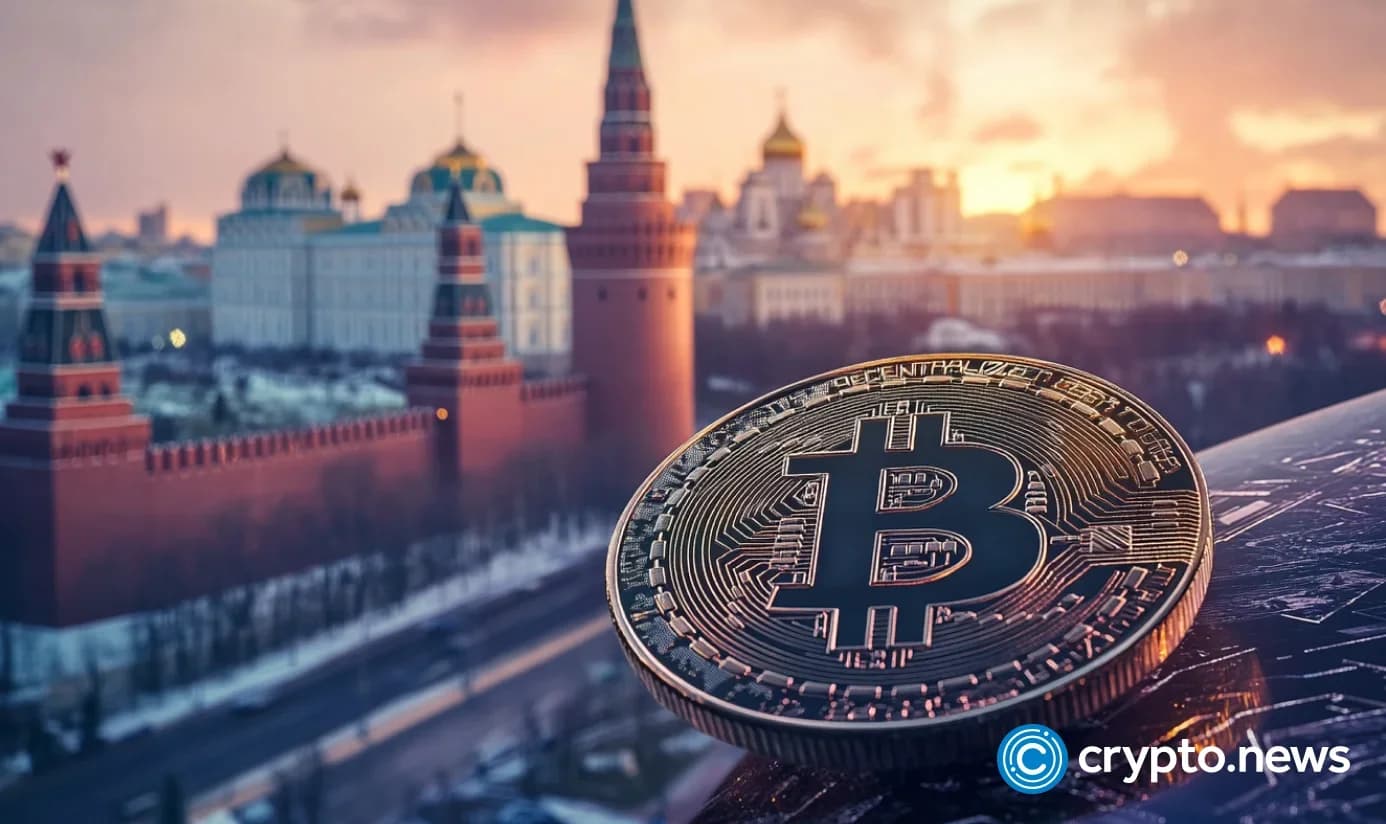
Russia's crypto regulation framework will take effect on July 1, 2026, formally legalizing Bitcoin and stablecoin payments for cross-border trade. According to reports from TASS, this represents the culmination of a two-year pilot program that has already demonstrated significant commercial viability. The framework creates a permissioned corridor for Bitcoin and stablecoin usage in international commerce, while maintaining the ruble as Russia's sole domestic currency. The timing coincides with the OSCE Parliamentary Assembly Annual Session in The Hague, where discussions on transnational financial repression are gaining prominence.
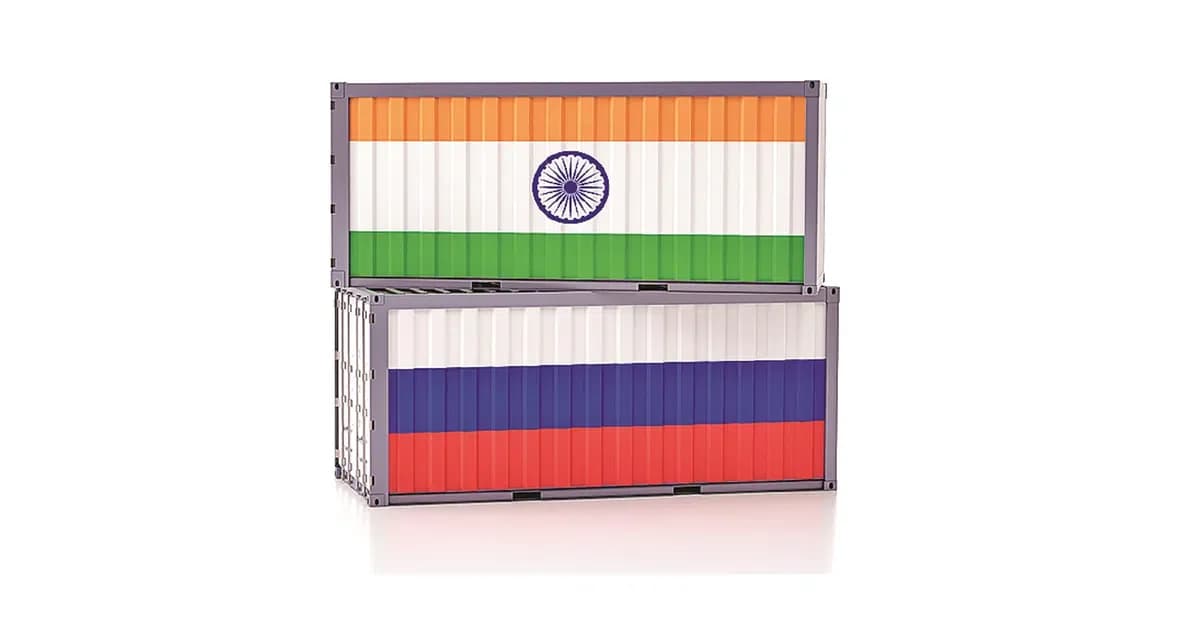
The pilot program has already processed approximately ₹8.8 lakh crore ($11 billion) in crypto-facilitated trade by 2025, as reported by TASS. These transactions primarily involved countries including China, Turkey, and India, demonstrating strong commercial appetite for alternative payment methods. The A7A5 stablecoin from Kyrgyzstan has become crucial to these flows, processing estimated flows of $72-93 billion in 2025, with some transactions tied to sanctioned transactions. The growing adoption of crypto-facilitated trade reflects the broader trend of transnational financial repression where authoritarian regimes increasingly misuse international legal and financial instruments.
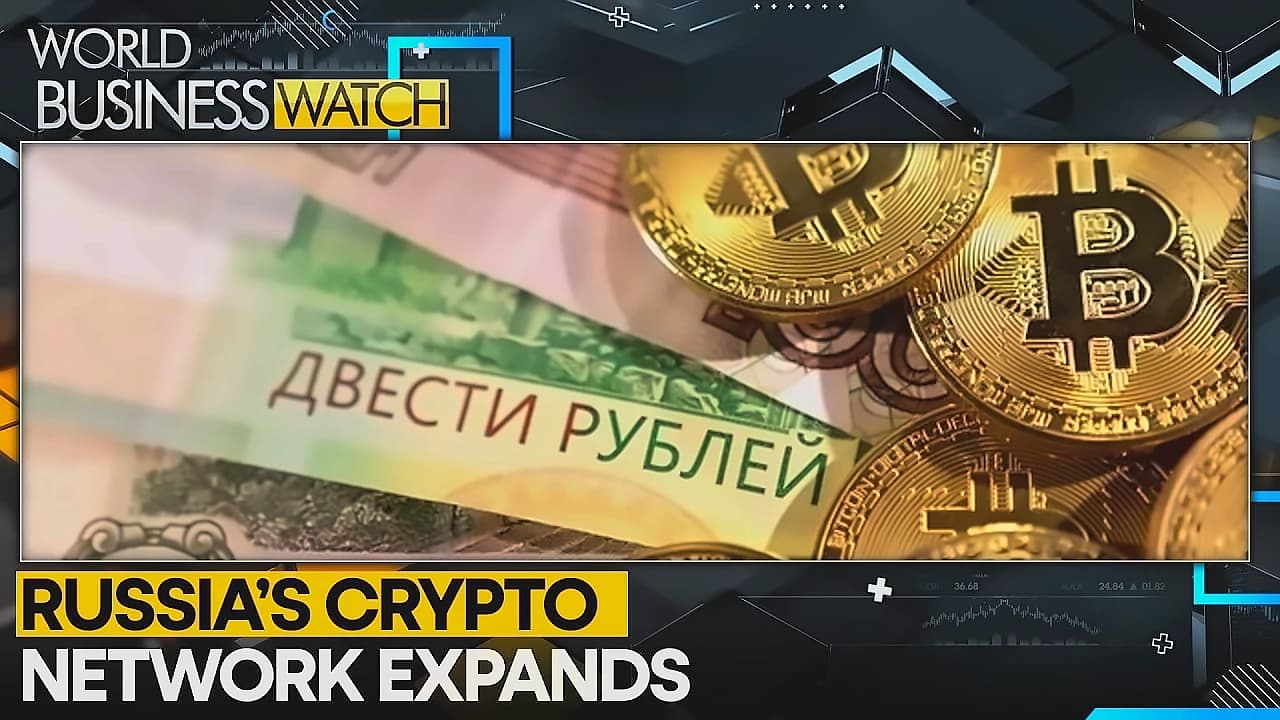
Under the new framework, only eight licensed venues will be permitted to handle crypto trades once fully implemented. According to reports, any transfer exceeding 100,000 rubles (approximately $1,300) must be reported to the Central Bank of Russia and Rosfinmonitoring, Russia's anti-money laundering agency. The architecture operates as a bonded warehouse system where crypto can move in and out of Russia via its economic borders but cannot circulate freely within the country. This controlled approach aligns with global efforts to combat transnational financial repression through sophisticated AML/CFT regulations and cybersecurity frameworks.
Finance Minister Anton Siluanov has emphasized that the policy is designed to pull existing trade flows into regulated channels rather than create new ones from scratch. As reported by TASS, Russia was removed from SWIFT in 2022 due to Western sanctions, prompting exporters to seek alternatives for international bank transfers. The policy aims to create a Bitcoin corridor supported by BRICS partners, potentially allowing Russia to operate outside the dollar system. The initiative comes as the Open Dialogue Foundation hosts a side event at the OSCE PA Annual Session in The Hague, focusing on countering transnational financial repression and the weaponization of international legal frameworks.
The July 1 deadline marks the start of stricter enforcement, with penalties for illegal crypto activities aligning with those for illegal banking by mid-2027. According to reports, firms using grey-zone platforms like Garantex have about twelve months to transition to one of the eight approved exchanges or face legal risks. This policy is considered bullish for Bitcoin adoption in international trade, as it represents a formal state policy for Russia, a major commodity exporter, though the effectiveness of Western sanctions tracking remains uncertain. The development occurs amid growing international discussions on transnational financial repression and the need for enhanced cooperation to combat the misuse of international legal and financial instruments.