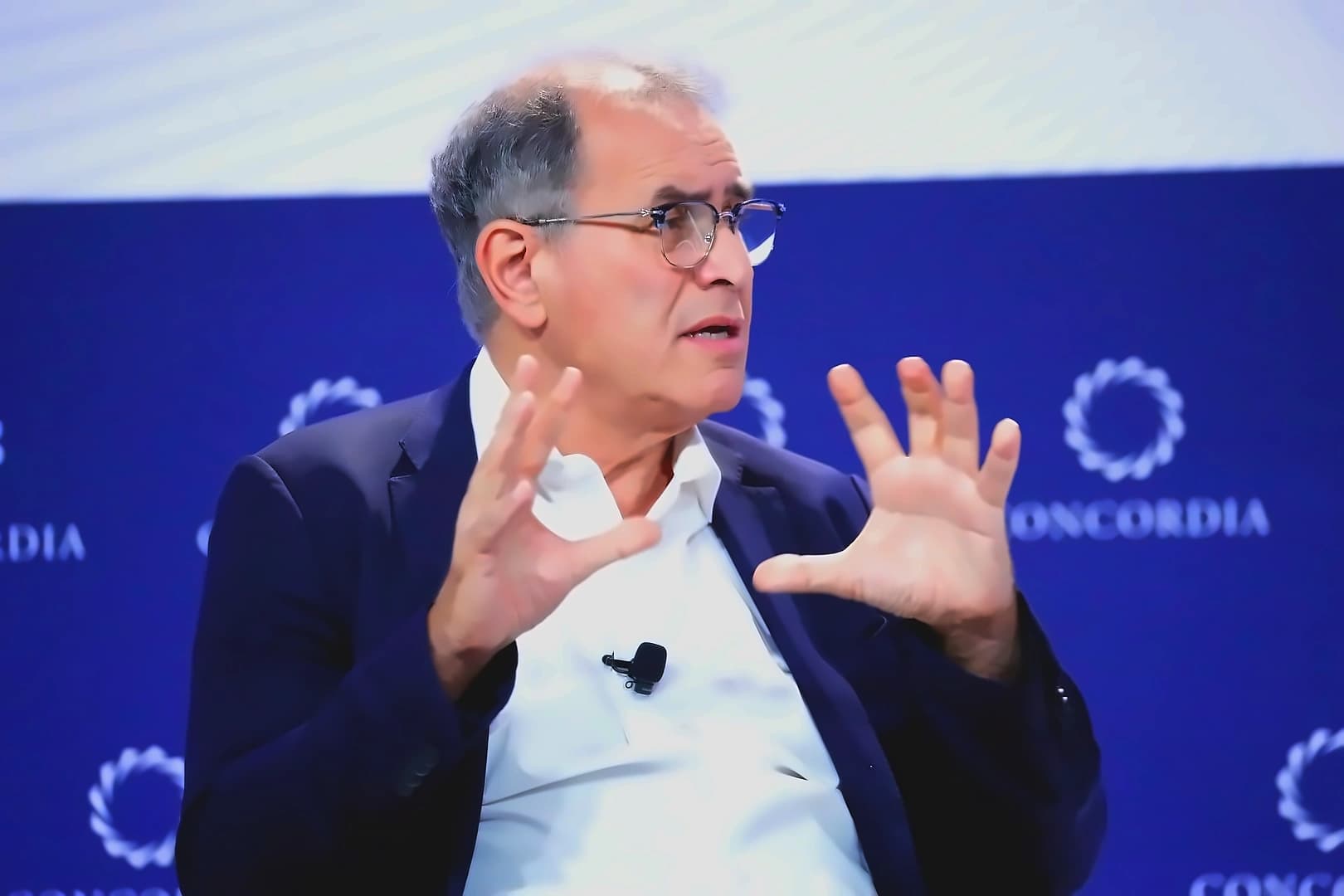
Economist Nouriel Roubini, known as 'Dr. Doom', delivered a scathing assessment of the cryptocurrency market during a BeInCrypto Expert Council podcast appearance alongside Atlas Capital CEO Reza Bundy and Securitize founder Carlos Domingo. According to reports from BeInCrypto, Roubini stated that of the 20,000 Initial Coin Offerings (ICOs) ever launched, 80% were scams from the beginning. He argued that the remaining non-fraudulent projects lost 70% of their value, with the small fraction still standing including most top 10 cryptocurrencies shedding 50-60% from their all-time highs. Bitcoin's decline below $60,000 on June 24 represents more than 50% down from its peak of $126,080. Roubini emphasized that 'a lot of stuff is backed by nothing. It's totally vaporware. It's based just on faith', describing nearly everything built on-chain as a speculative bet rather than a claim on any real asset or utility.

Despite his critical stance on the majority of cryptocurrency projects, Roubini identified one product with genuine utility. As reported by BeInCrypto, he stated that 'after almost 20 years of Bitcoin, what's the big killer app in crypto? Stablecoins'. However, he cautioned that stablecoins are simply digital wrappers around fiat currency and carry the same debasement risks. While stablecoins work effectively as payment rails, particularly for users in high-inflation economies, they generate no real returns and offer no hedge against monetary risks that originally made crypto appealing. This distinction, useful for payments but limited as a store of value, underpins his argument for tokenized real-world assets as the next step in the crypto evolution.
Roubini's current assessment represents a notable evolution from his previous dismissive stance on all cryptocurrency. According to BeInCrypto reports, he previously called the entire ecosystem fraudulent in public forums and testified before the US Congress, calling blockchain the least useful technology in human history. His current position separates speculative tokens, which he still regards as backed by nothing, from tokenized assets with verifiable real-world collateral. The economist has maintained his criticism of the crypto space for years, including a 2019 confrontation with Ethereum creator Vitalik Buterin over centralization and manipulation concerns, and his ongoing argument that the crypto space remains overcentralized and riddled with manipulation.