Nouriel Roubini, the economist known as 'Dr. Doom' for predicting the 2008 financial crisis and later becoming one of crypto's most vocal critics, is making his first move into blockchain-based finance. Speaking on the Expert Council podcast this week, Roubini declared the 'death of the petrodollar' and backed a new tokenized reserve asset called 'Technodollar' tied to US productive assets. According to reports from Atlas Capital Team, Roubini co-authored a whitepaper for USAFi, a tokenized investment product being developed by Atlas Capital Team. The token will be backed by the Atlas America Fund ETF he oversees, which is listed on Nasdaq.
As reported by Securitize, one of the largest tokenization platforms, it was selected to provide the tokenization infrastructure for the project, calling it Roubini's 'first move into blockchain.' The company plans to launch the asset in the third quarter under Dubai's Virtual Assets Regulatory Authority (VARA) framework. USAFi is structured as a permissionless ERC-20 asset and is directly collateralized by the Atlas America Fund, an SEC-registered, actively managed ETF listed on Nasdaq under the ticker USAF. The fund uses machine learning to manage risk across its portfolio, with CEO Reza Bundy explaining that 'the machines do the homework and the people on the investment committee, which Nouriel chairs, make the call.'
According to reports from rwa.xyz data, the launch represents the latest example of tokenization, a fast-growing sector that puts traditional assets such as funds, bonds and stocks on blockchain networks. Major firms including BlackRock, Franklin Templeton and Apollo have launched tokenized investment products, helping drive the market for tokenized assets above $30 billion excluding stablecoins. Supporters argue the technology can make assets easier to transfer and settle, reach a wider set of investors globally while enabling around-the-clock trading.
As reported by Atlas Capital Team, the fund behind the USAFi token seeks stable returns across different economic environments while preserving capital through exposure to U.S. Treasuries, real estate, gold and agricultural commodities. The thesis positions USAFi as a more adaptive reserve asset for periods of inflation and macro stress, offering exposure to AI-linked equities, semiconductors, defense technology, cyber infrastructure, short-duration Treasuries, gold, and climate-resilient real estate. CEO Reza Bundy argued that while stablecoins are designed to move dollars across blockchain rails, tokenized investment vehicles like USAFi can serve as digital reserve assets by giving investors exposure to a diversified portfolio of productive assets.
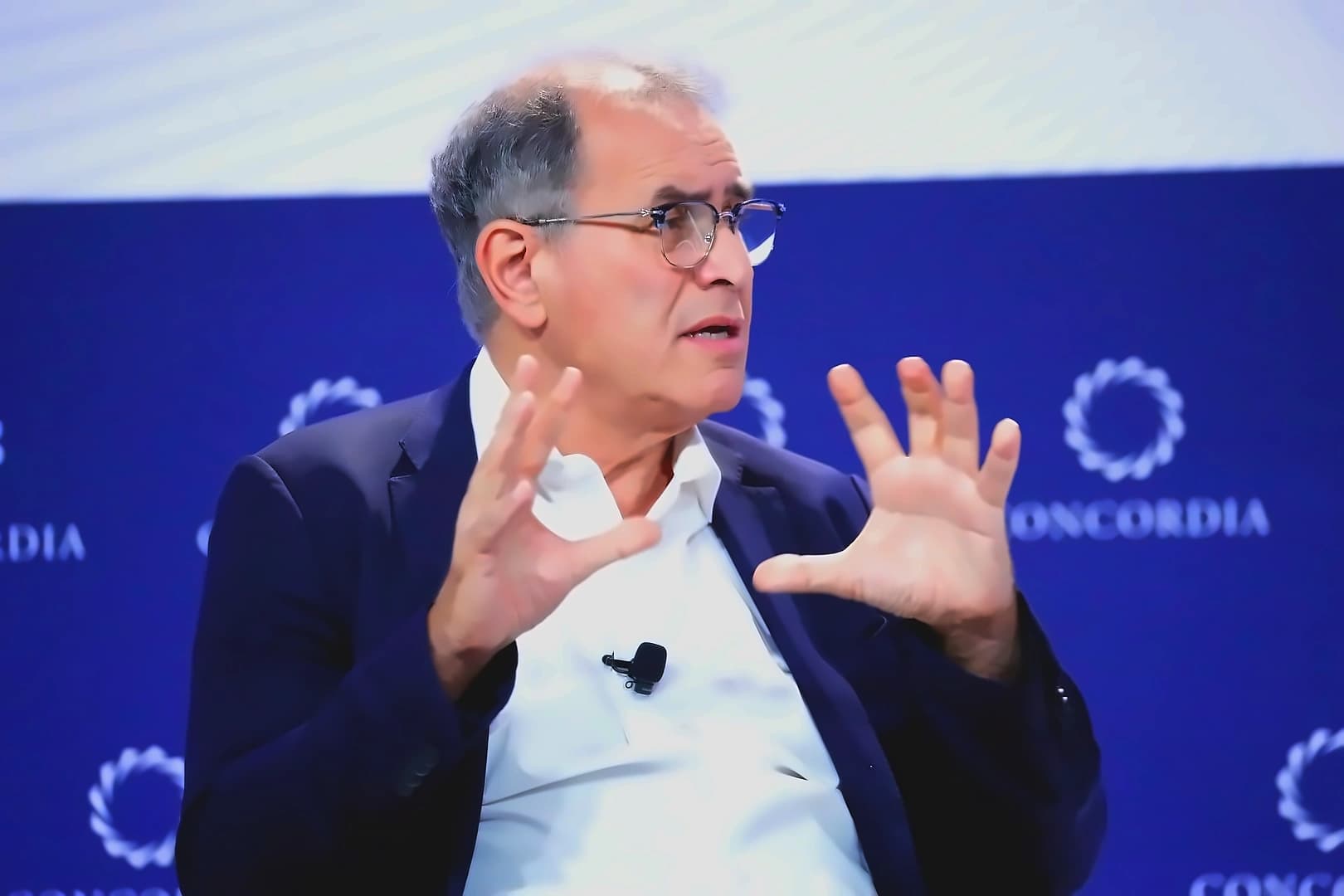
According to reports from Atlas Capital Team, Roubini cited current economic conditions, stating 'We are living through the most dangerous period for savers in a generation' citing inflation, trade wars and geopolitical stress eroding the purchasing power of investors. Speaking on the Expert Council podcast, he argued that stablecoins fail to protect investors from the same inflation and debasement risks that affect traditional fiat currencies, stating that 'stablecoins are a very imperfect way of providing this hedging. Highly imperfect is essentially a digital version of the fiat currency with all the problems of fiat currencies.' The company is pitching the USAFi token as a 'Technodollar' product, representing a regulated wealth-preservation strategy backed by real-world assets in a form digital finance can actually use, with the launch reflecting a broader shift toward tokenized real-world assets as on-chain collateral for DeFi applications.