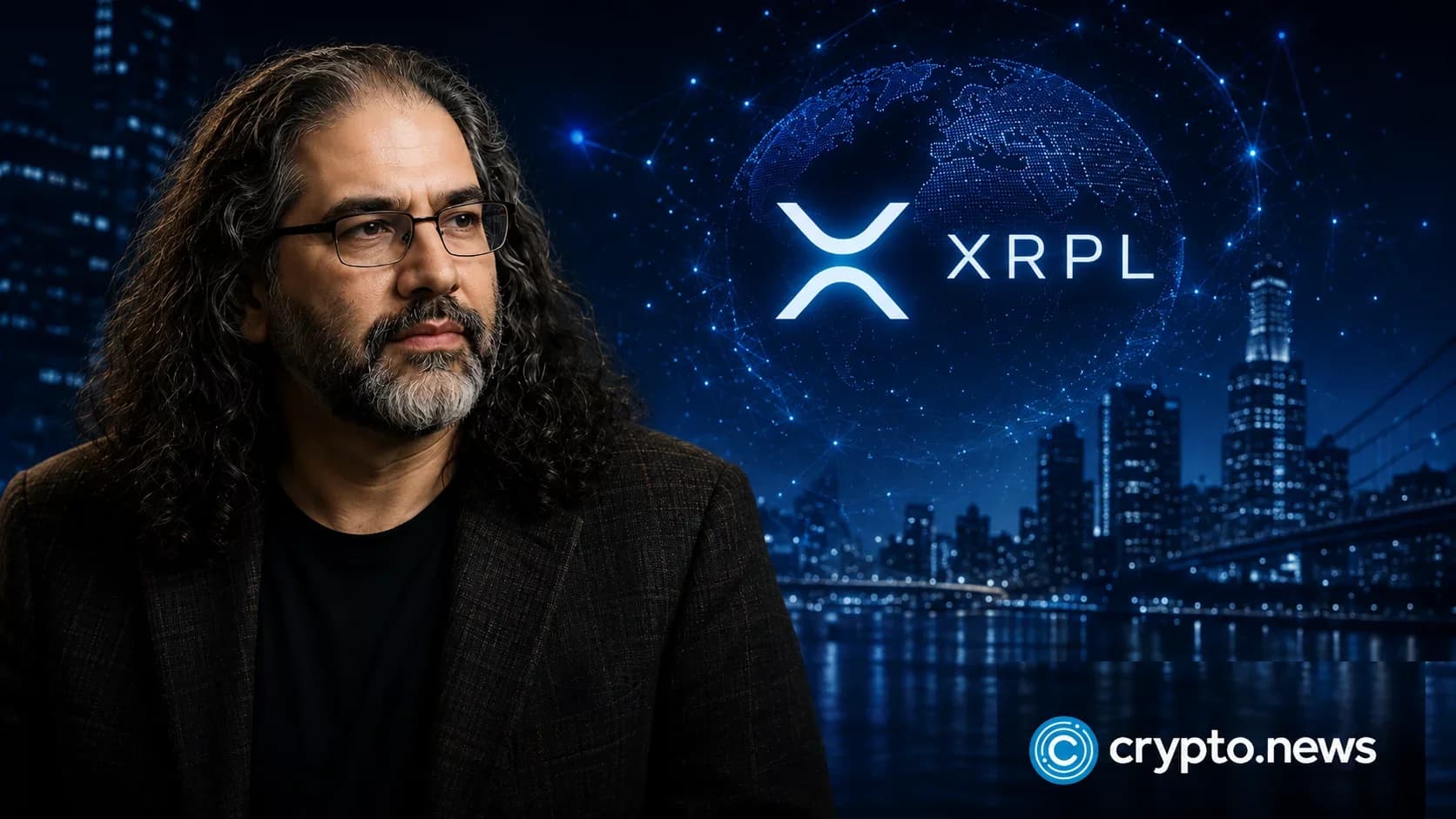
Ripple's former chief technology officer David Schwartz issued a sharp public warning on May 14, 2026, over a newly surfaced Windows BitLocker vulnerability, describing it as one of the most serious security flaws he has encountered in years. According to latest reports, the exploit allows attackers to bypass Microsoft's full-disk encryption using a basic USB-based method, with no authentication prompts required. The vulnerability stems from a downgrade attack exploiting an unrevoked legacy boot manager certificate (CVE-2025-48804), which Microsoft still trusts in TPM-only BitLocker setups on fully patched Windows 11 systems. With brief physical access, attackers can boot a modified Windows Recovery Environment via USB and instantly decrypt protected drives without authentication prompts or alerts. The flaw matters for anyone storing sensitive material on a Windows device, including private keys, recovery phrases, or work documents. The lack of authentication prompts has fueled speculation that the mechanism resembles a backdoor more than a conventional bug, given how little technical effort the reported access path requires.
In a separate post, Schwartz flagged a sharp rise in scam reports targeting XRPL users, with fake airdrops and impersonation accounts being the most common patterns. As reported by CoinDesk, impersonators often clone verified profiles and prompt holders to connect wallets to drainer contracts. The trend mirrors a broader rise in scams flagged by financial regulators in recent months. For XRP holders, the risk is amplified by the ledger's pseudonymous nature and the absence of recourse once funds move. Schwartz issued a direct scam alert to the XRPL and XRP community, stating: "SCAM ALERT: There has been a huge escalation lately in airdrop and giveaway scams targeting XRPL users. Any such posts you see are likely scams. Anyone claiming to be me on Instagram, Telegram, or almost anywhere else is likely a scammer. Stay safe, XRP fam." His public profile within the XRP ecosystem makes his advisories widely circulated, with recent warnings including specific alerts about scammers claiming to be him on Instagram, Telegram, and other platforms. The surge in scams is fueled by advanced social engineering attacks, with scammers exploiting rising interest in the XRP ecosystem rewards to deceive users into approving malicious smart contracts that drain XRP users' crypto wallets.
The warnings arrive as Google said it had intercepted a live AI-built zero-day exploit before mass deployment, with the Python-based attack reportedly bypassing two-factor authentication on a widely used open-source admin tool. According to CoinDesk, defensive AI systems such as Big Sleep and CodeMender are now being rolled out in response. Security experts expect attackers to increasingly automate phishing, exploit development, and impersonation tactics, making wallet-draining attacks faster, cheaper, and harder to detect across platforms like Instagram and Telegram. The convergence of traditional security vulnerabilities with AI-driven exploits highlights the evolving threat landscape facing both traditional and crypto-adjacent systems. Whether endpoint encryption and consumer authentication can keep pace with that shift remains the open question, with the evolving landscape demanding crypto users to move beyond basic encryption toward hardware wallets, air-gapped signing, and constant skepticism of social-media crypto opportunities.