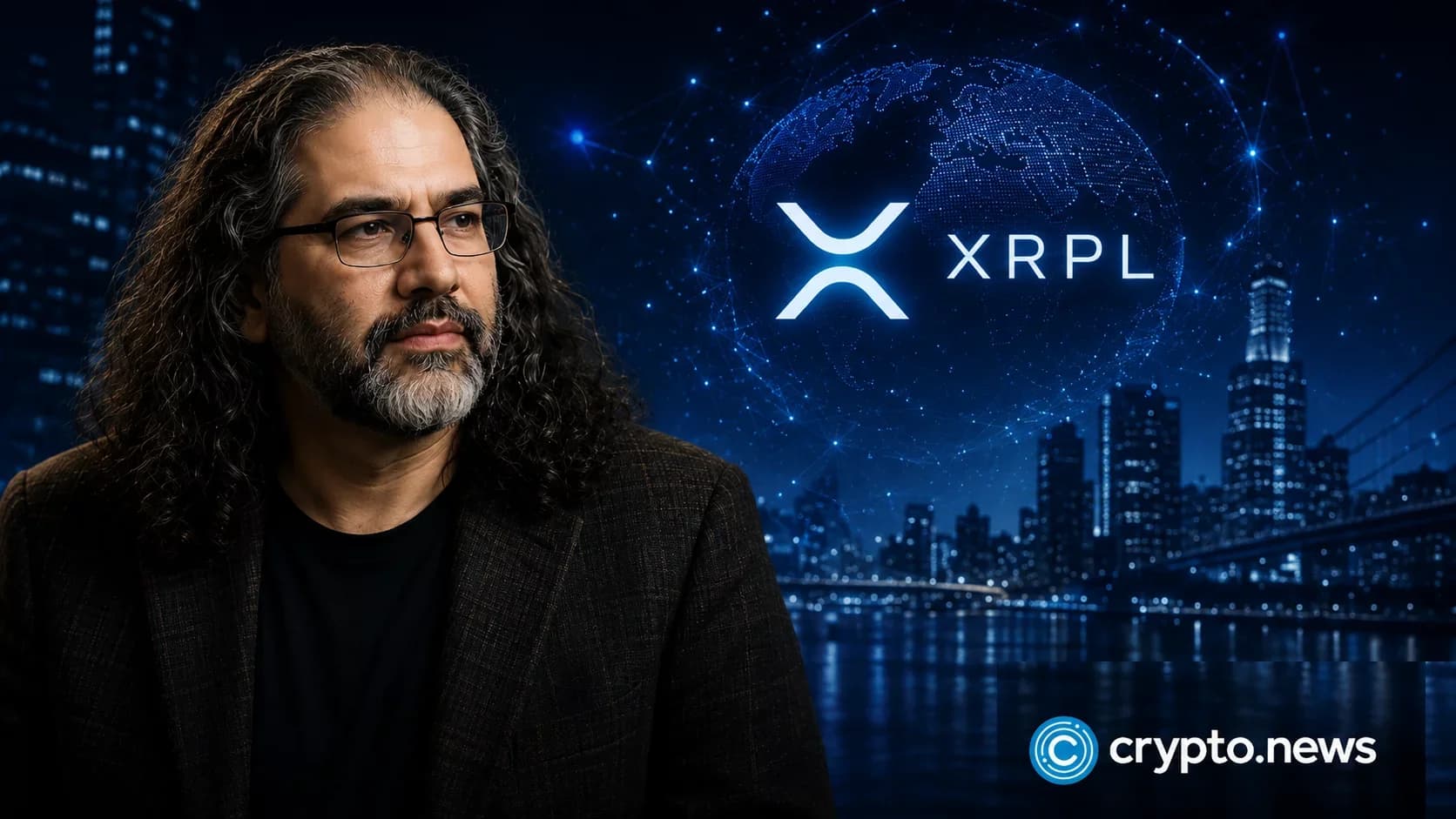
XRP Ledger co-creator David Schwartz has revealed a comprehensive 'nuclear briefcase' strategy for Bitcoin cold storage, building on his earlier August 3 proposal. According to recent reports, Schwartz's updated approach significantly reduces theft and loss risks during the owner's lifetime while ensuring heirs receive access after death. The mechanism involves duplication of two additional wallets using the same 24-word recovery phrase and identical PIN codes, with hardware separation where one device is given to each of two different relatives who cannot access the wallet without the PIN. Password separation ensures the PIN code is held by two trusted friends who are not connected to the family, with their task to reveal the digits to relatives only after the investor's death.
The proposal emerges from a Coldcard firmware failure that caused the built-in generator to produce predictable seed phrases, triggering widespread panic and calls for return to paper storage. As reported by multiple sources, the crisis resulted in hackers draining more than 4,500 addresses, stealing 1,367 BTC worth around $89 million. The incident demonstrated that even hardware wallets are vulnerable to code vulnerabilities, with Block's security team tracing the issue to deterministic software fallback and limited reseeding processes. Coinkite has released corrected versions, but affected users must create new seeds and move their Bitcoin, highlighting the need for more secure storage solutions. According to Galaxy Research, the total cost of the attack now stands at approximately $88.6 million in Bitcoin, with the coins sitting untouched for an average of 3.18 years before recent movements.
The proposed 'nuclear briefcase' setup addresses the limitations of Schwartz's previous inheritance structure by creating true multisignature wallets where both devices contain separate keys and require more than one signature before funds move. According to crypto.news, the system ensures neither the relatives nor the friends can steal Bitcoin on their own while the owner is alive, while heirs are guaranteed access after death. However, the arrangement still depends on relatives and friends remaining reachable, trustworthy, and capable of coordinating under stress conditions. The system also requires clear instructions, legal ownership records, and a process executable under stress, with Schwartz describing it as 'one way' to handle inheritance rather than a guaranteed security model. Galaxy Research reports that the affected wallets were created with Coldcard firmware released in March 2021, which generated seed phrases with too little randomness and left the resulting private keys guessable.
Schwartz's approach shifts focus from hardware vulnerabilities to human engineering and role distribution as key tools for protecting crypto wealth. As reported by crypto.news, the system is designed to handle both inheritance and theft/loss scenarios, with hardware wallets solving both problems through their physical security features. The proposal specifically highlights the SecuX W20 as a recommended device for implementing this strategy. While Schwartz acknowledges the system is not perfect, he argues it represents an improvement over standard storage practices, particularly paper wallets which he considers completely defenseless against everyday risks like fire, loss, or theft. Galaxy Research advises that anyone still holding Bitcoin on an affected address should move it immediately, as the attackers have been described as conducting deliberate and programmatic sweeps.