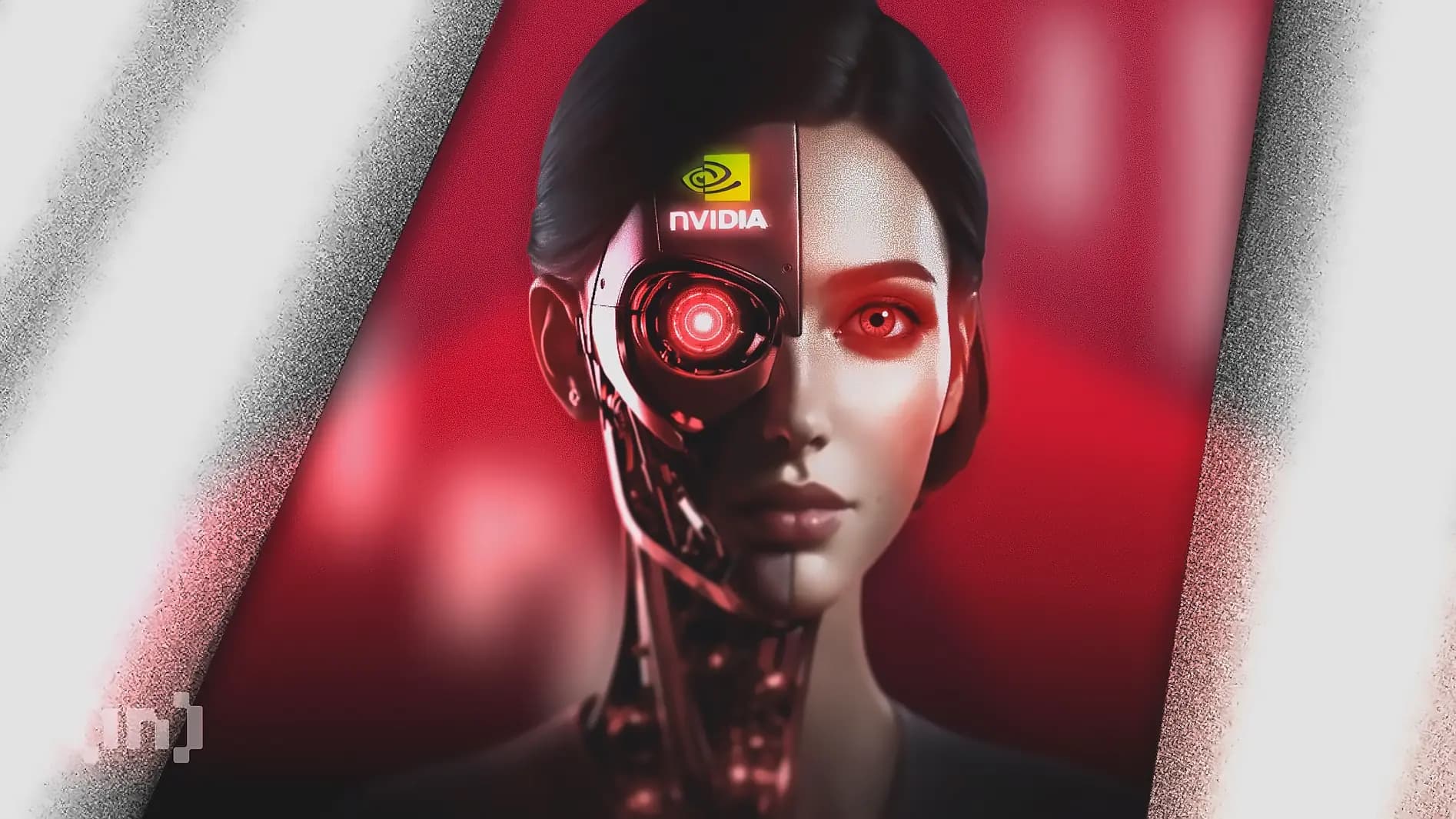
Nvidia shareholders have filed a class-action lawsuit against CEO Jensen Huang and the company, alleging securities-law violations after Huang's affair with Alice Huang, whose former employer, Megaspeed, faces scrutiny over possible chip shipments to China. According to LiveMint, a group of shareholders filed the lawsuit in the US District Court for the Northern District of California on Monday, accusing Huang and Nvidia of violating federal securities laws and seeking compensation for losses suffered after the revelations triggered a sell-off in the company's shares. The plaintiffs argue that investor losses followed disclosures about Huang's relationship with Alice Huang and the potential national security risks associated with her former employer. The lawsuit has brought Nvidia's leadership, corporate governance and potential national security exposure under the spotlight, as the controversy involves Singapore-based Megaspeed, the woman's former employer, which has faced scrutiny over suspected links to the movement of advanced Nvidia chips into China.
**New allegations suggest the relationship may have carried commercial consequences, with The Information reporting that Alice Huang and her associates had helped facilitate at least $7.5 billion in Nvidia chip shipments to Chinese companies from 2023. According to The Information, a network of businesses operating across Singapore and China obtained roughly 240,000 Nvidia processors, including models subject to US export restrictions. Alice reportedly used her relationships with Nvidia and its distributors to resolve supply problems when orders encountered restrictions. The reported transactions do not establish that Beijing directed them, nor is there public evidence that Jensen Huang knowingly participated in illegal exports or supplied information to Chinese intelligence. However, according to Financial Times reporting, a classified US intelligence memo alleged that Alice Huang was recruited by China's Ministry of State Security to target Jensen Huang, with the reported intelligence operation allegedly interested in influencing Huang's lobbying over chip exports to China.
The crisis has escalated with US lawmakers demanding immediate action, with Senate Democratic Leader Chuck Schumer calling for answers from the administration and tighter curbs on chip exports to China. Republican US Senator Kevin Cramer from the Senate Banking Committee called on Huang to step down as CEO, telling Politico that "The potential for extortion is so tremendous that something as sensitive as Nvidia chips, I just think he's got to go." The New York Times reported that US Secretary of State Marco Rubio had previously briefed President Trump on the affair aboard Air Force One en route to China in May, marking at least the second time in seven months that Trump had been told about the intelligence. Trump said on Monday he had spoken with Huang and asked whether he knew the woman was a spy, with Huang telling him he had "absolutely no idea" and that he believed the Nvidia CEO. Senator Schumer accused Trump of failing to address foreign espionage in the American technology industry, stating "He's supposed to protect America, not China, not his friends."
Nvidia shares have suffered catastrophic losses, with the company losing approximately $430 billion in market capitalisation over just two trading sessions as the scandal has triggered widespread investor panic. According to CNBC TV18, Nvidia's stock has fallen 9.5% since news of the affair broke, with the shares having lagged the broader market on investor unease over whether massive spending on AI will deliver adequate returns. The AI stock's market cap dropped to $4.08 trillion, representing a total wipeout of over $430 billion in just two sessions. CEO Jensen Huang's wealth fell by $7.4 billion in the first 30 minutes of trading on November 9, as reported by Forbes, with his estimated net worth dropping to $154.7 billion and moving him from eighth to tenth place on the publication's real-time billionaires list. Investors have also raised concerns about key-man risk because of Nvidia's dependence on Huang's leadership, with speculation about a possible massive divorce settlement adding to the personal and financial fallout.
Nvidia's independent directors have hired outside counsel to investigate the allegations, retaining Joon Kim, a Wachtell Lipton partner and former acting US Attorney for the Southern District of New York, whose practice includes internal investigations and white-collar defense. The board has stated that it has no reason to believe US national security or company secrets were compromised and that Huang has committed to cooperating with the internal review. Huang apologized to top executives at a closed-door meeting on Monday before pivoting to business and was back holding meetings at Nvidia's headquarters on Tuesday, according to CNBC. The FBI is separately examining whether 63-year-old Huang was targeted by a foreign intelligence operation, with Huang having told employees he was unfaithful to his wife but provided no details about the relationship. China's foreign ministry has said the spy accusations are "groundless," while Huang owns only around 3.6% of Nvidia and does not have controlling voting power.
An investigation into whether Huang was targeted by a foreign intelligence effort has brought Nvidia's succession plans into sharp focus, as analysts question who could replace the 63-year-old CEO who has led the company for over three decades. Huang, who co-founded the company more than three decades ago, remains closely involved in its operations, with around 60 executives reporting directly to him. According to Business Insider, analysts do not expect Huang to step down, with Bob O'Donnell from TECHnalysis Research noting that "Nvidia employs more than 40,000 people worldwide and has 'lots of other great leaders' within the company." Bernstein analyst Stacy Rasgon offered a similar assessment, telling CNBC: 'Jensen is Nvidia. Nvidia is Jensen,'' describing Huang as someone who runs the company from the top and effectively pulls the strings. However, Huang owns only around 3.6% of Nvidia and does not have controlling voting power, adding complexity to any potential succession scenario.