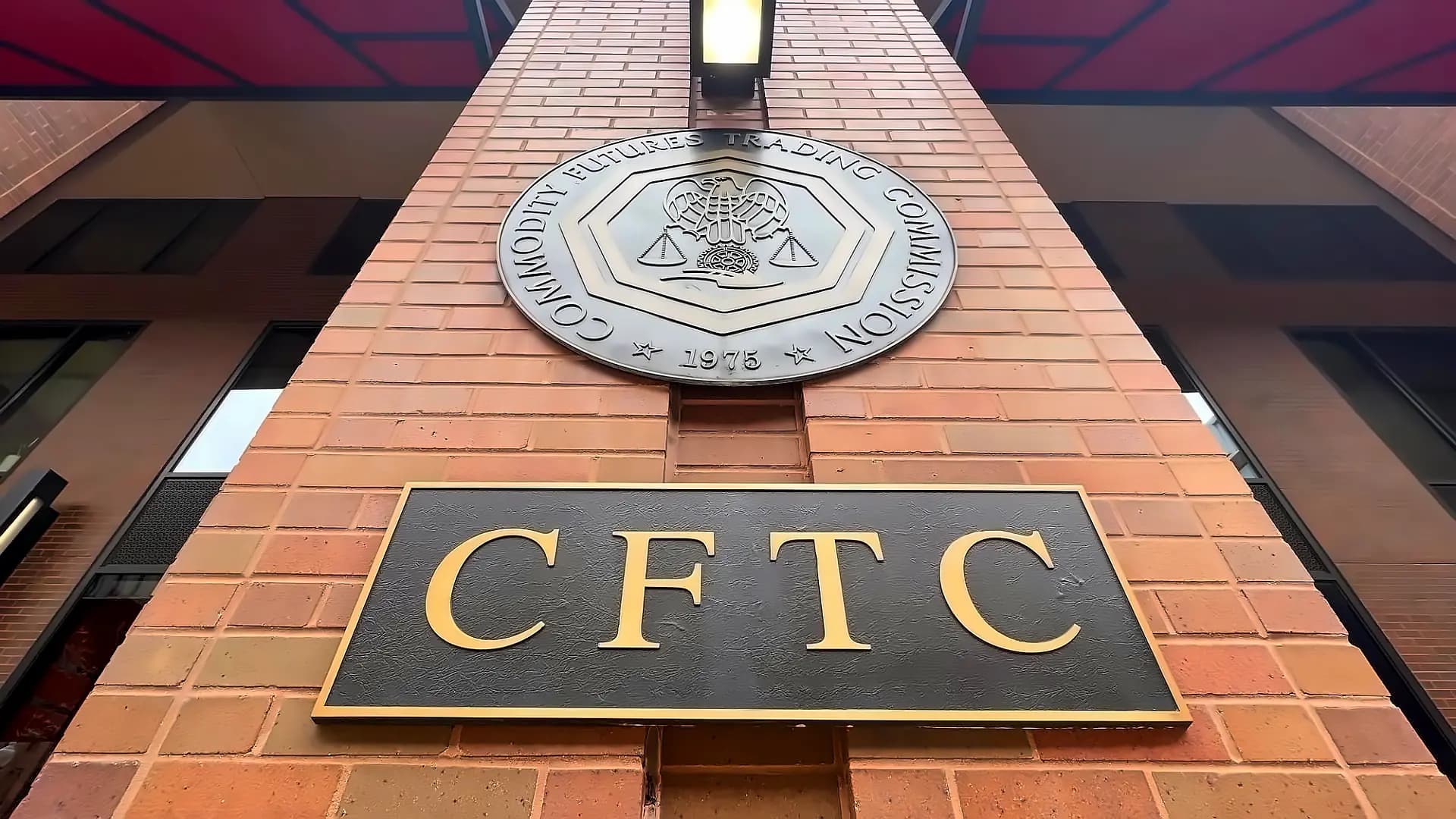
The National Football League has formally requested the U.S. Commodity Futures Trading Commission to implement stricter rules for sports prediction markets, according to a July 27 letter obtained by The Closing Line. The league emphasized that its highest priority is preserving the integrity of our games, stating that maintaining this integrity is crucial for the stable and orderly administration of event contracts linked to NFL games and for protecting traders who participate in those markets. The submission comes as the CFTC considers public feedback on proposed amendments to Rule 40.11, which would establish a federal framework for reviewing event contracts tied to gaming, war, terrorism, assassination and unlawful activities. The NFL's position contrasts with the National Hockey League and Major League Baseball, which have entered partnerships with prediction market platforms including Kalshi and Polymarket. In March 2026, the league had already sent letters to Kalshi and Polymarket requesting that they limit the variety of sports contracts available on their platforms, as reported by 99Bitcoins.
Sen. Lisa Murkowski (R-AK) and Sen. Brian Schatz (D-HI), chair and vice chairman of the Senate Committee on Indian Affairs respectively, have joined the regulatory push by urging the Commodity Futures Trading Commission to conduct formal government-to-government consultation with Tribal Nations before moving forward with proposed prediction market rules. In a letter sent to the CFTC, the senators asked the agency to immediately extend the public comment period for its proposed 'Prediction Markets; Public Interest Determinations' rule by at least 60 days. The current public comment period is scheduled to close on July 27, 2026, which the lawmakers argue does not provide enough time for Tribal Nations to fully review the proposal or engage with the commission through required government-to-government consultation processes.
Among its key recommendations, the NFL called for stricter restrictions on contracts that could be influenced by a single participant, depend heavily on officiating decisions or involve outcomes that may become known before the public, as reported by The Closing Line. The league also asked the CFTC to narrow its proposed definition of permissible contracts and better distinguish legitimate event contracts from activities that are effectively gambling. The NFL argued that the CFTC's proposed 10-day review period for newly self-certified contracts is too short and could allow contracts to remain listed before regulators have enough time to assess them. The league also questioned why contracts tied to honors such as 'Offensive Player of the Year' should be allowed simply because their outcomes are decided by a voting panel. While the NFL acknowledged that the CFTC proposal includes several constructive measures, it noted that some provisions need to be significantly strengthened, as reported by 99Bitcoins.
Tribal gaming has become a critical source of revenue for many Tribal governments, funding essential services such as healthcare, education, housing, public safety, and infrastructure, according to the senators' letter. The lawmakers cautioned that any federal regulatory changes affecting gaming markets should be developed with direct Tribal input, as the proposal could have significant implications for Tribal sovereignty, Tribal gaming regulation under the Indian Gaming Regulatory Act, and Tribal economies. The senators emphasized that federal agencies have a trust responsibility to consult with Tribes when federal actions may affect Tribal rights or self-governance. The bipartisan request underscores growing concerns in Indian Country about the rapid expansion of prediction markets and the potential overlap between federally regulated event contracts and Tribal gaming operations.
The NFL's submission arrives as the CFTC has adopted a more structured approach toward prediction markets rather than seeking broad prohibitions, as reported by crypto.news. The agency's Division of Market Oversight issued its second compliance advisory of the year on July 24, warning exchanges against submitting broad, template-style self-certifications covering large groups of event contracts. The July 24 advisory did not eliminate the self-certification process but requires exchanges to provide contract-specific terms, settlement methods, data sources and legal analysis for each product. The CFTC is proposing amendments to Rule 40.11 that would create a three-step review process for contracts linked to activities identified in the Commodity Exchange Act. The NFL's concerns were expressed in a letter dated July 27, where the league commented on the CFTC's recently published draft rules, emphasizing that the draft rules fall significantly short of protecting the integrity of sporting events and the fans who participate in these markets.
According to CFTC data cited in its March rulemaking notice, registered exchanges listed an average of about five event contracts each year between 2006 and 2020, which increased to 131 contracts in 2021 before reaching roughly 1,600 new contracts during 2025, as reported by crypto.news. More recent testimony estimated that CFTC-regulated prediction markets handled more than $25 billion in trading volume during 2025. The same testimony indicated that daily listings on one major platform increased from about 1,600 contracts in April 2025 to roughly 162,000 by April 2026. The rapid growth in prediction market activity underscores the urgency behind the NFL's regulatory concerns about protecting the integrity of sports competitions and fan participation.