The U.S. Commodity Futures Trading Commission issued a staff advisory on September 22 declaring that mention market contracts 'present a heightened risk of manipulation'. According to the CFTC advisory, these markets pose unique dangers compared to traditional prediction markets because outcomes can be influenced by a single person or small group of people with access to or influence over the individual whose words, attendance, or interaction determines settlement. The agency emphasized that such markets are 'presumptively readily susceptible to manipulation' and may not easily clear the CFTC's supervisory hurdles. CFTC Chairman Mike Selig praised the staff advisory, stating he was 'pleased to see staff provide guidance on the potential risks and unique considerations associated with the listing of mentions markets on CFTC regulated exchanges'. In the latest advisory posted by the CFTC Division of Market Oversight, agency staff specifically warned that 'mention market contracts may present a heightened risk of susceptibility to manipulation' and outlined 'limited circumstances' in which these contracts can be listed without running afoul of the Commodity Exchange Act and agency rules. The letter to designated contract market entities clarifies that it does not create new obligations for regulated exchanges but outlines when mention markets may be listed in a way that is consistent with the Commodity Exchange Act.
The CFTC has established a comprehensive framework for assessing mention market manipulation risks, advising exchanges to consider four key factors when evaluating these contracts. According to the latest advisory, exchanges should examine what outside obligations the subject of the mention market may have, external pressure that could influence the subject's speech or conduct, whether the words or actions used for settlement are independently verifiable, and whether there are adequate oversight measures in place to detect manipulation. The regulator emphasized that mention markets are more susceptible to exploitation 'because their settlement turns on the discrete conduct of a person that may be neither independently generated nor externally verifiable'. Rather than outright blocking mention markets, the CFTC outlined tightened requirements for contracts that might pass manipulation tests. Such markets would need to feature 'independent verifiability and substantial public scrutiny as essential attributes'. The agency suggested several elements that could strengthen contracts, including external factors that would make it hard or prohibitively costly for the individual to game the market, betting focused on formal, public settings involving public persons, and closely monitored scenarios for signs of manipulation. The CFTC also encourages exchanges to consult its division of market oversight during the early design phase of mention market contracts to mitigate those risks.
The CFTC has already taken enforcement action against illicit betting in these markets, with two well-publicized events coming to light within the last several months. In a case reported by ABC News, a longtime White House teleprompter for President Donald J. Trump allegedly profited more than $100,000 by using insider information and placing bets on prediction market platforms on the president's speeches. In another high-profile case, Kalshi recently announced a $71,356 fine and a lifetime ban for ex-Congressman George Santos after he allegedly profited off of manipulated mention market contracts based on his potential attendance at the 2025 State of Union address. Between February 2 and February 25, 2026, Santos placed a series of large trades in a market where the underlying contracts depended upon his own attendance at the event, then began making public statements regarding his attendance in an attempt to influence prices. The Kalshi Compliance Department established reasonable cause to believe Santos engaged in trading activity in markets related to his attendance, which he manipulated with several comments on his social media channels. Separately, the CFTC charged former Rep. George Santos and said he made public statements two weeks before a State of the Union address on whether he would attend, causing the price of the event contract to increase or decrease 'significantly'. The latest enforcement action involves Gabriel Perez, President Trump's longtime teleprompter operator, who was ordered to pay $172,539 after regulators found he used advance access to presidential speeches to profit on Kalshi. Perez allegedly read Trump's prepared remarks roughly an hour before delivery and placed trades accordingly, being ordered to surrender $107,539 in profits and pay a $65,000 civil penalty, along with a three-year trading ban. In August, Perez settled with the CFTC and is required to pay a $172,539 fine for insider trading on a prediction market linked to President Trump's statements.
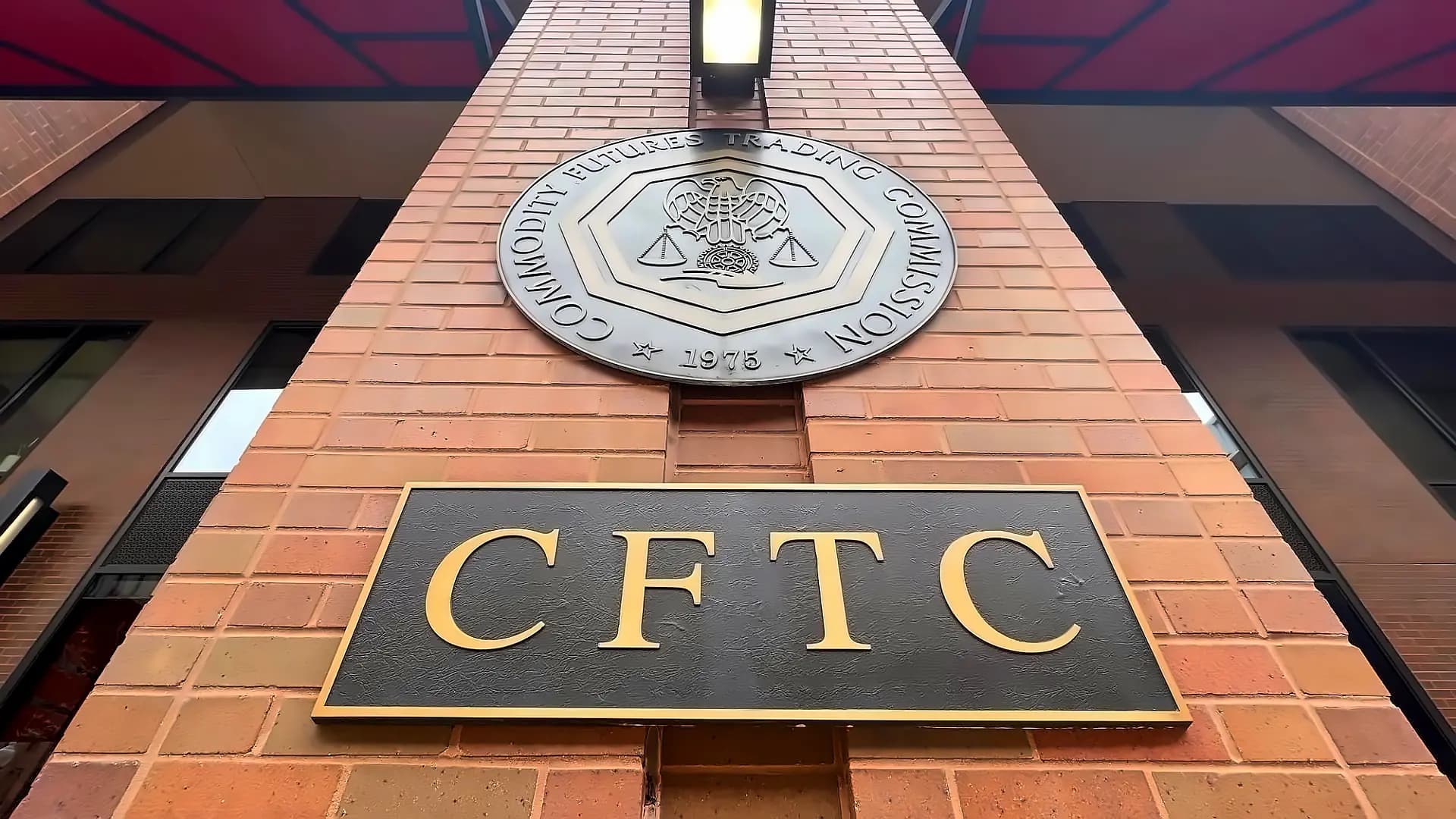
The CFTC distinguished mention markets from other prediction markets by noting they don't feature 'independently generated, externally verifiable outcomes that are outside the control of any single person'. As reported in the advisory, individuals or people around the person could shift the outcome based on their own knowledge of the betting. The CFTC's Division of Market Oversight that monitors this sector may view these markets as inherently vulnerable to manipulation, prompting the agency to remind prediction platform operators they're only allowed to trade 'derivative contracts that are not readily susceptible to manipulation'. The regulator noted that mention market contract susceptibility to manipulation is contract-specific, but also involves consideration of its design and the effectiveness of measures implemented by a DCM to prevent manipulation and misappropriation of material non-public information. Over the past year, concerns around insider trading have bubbled as prediction markets have skyrocketed in popularity and are now worth billions of dollars, highlighting the growing significance of these markets. The announcement comes after reports in August that the agency was conducting an internal review into the event contract type, with platform Kalshi pulling its sports-related mention markets in response to the inquiry. News reports in July also drew attention to contracts tied to the president's remarks, with a longtime teleprompter operator for President Donald Trump profiting from trades on Kalshi involving mention market contracts linked to the president's statements.
The new guidance does not amount to an industrywide ban on mention contracts, with Kalshi still displaying markets tied to what Trump would say during United Nations meetings as of September 23, including contracts covering terms such as AI, NATO and ceasefire, with one Trump UN General Assembly speech contract recording nearly $194,000 in volume. CFTC filing records show Kalshi previously self-certified amendments covering contracts asking whether a specific word would be said by a person, including a separate template tied to Trump, which were recorded as certified in June. The Sept. 22 advisory means future Part 40 submissions involving such products are expected to contain more detailed, contract-specific manipulation analysis. Staff encouraged platforms to identify potential controllers and known insiders, then calibrate position limits, reporting requirements, recordkeeping and surveillance controls around those risks. Kalshi has already reduced its exposure to some parts of the category, with the platform pulling sports mention contracts in August while political and corporate versions remained available. A separate development arrived on the same day as the new CFTC advisory, with Kalshi Klear requesting approval for a margin framework covering selected event contracts, but mention and culture markets were excluded from the proposed eligible group according to its filing coverage. The federal framework is developing while courts consider separate disputes over state gambling authority, with the Ninth Circuit ruling on August 28 that Kalshi had not shown Nevada's regulation of its sports event contracts was likely displaced by the Commodity Exchange Act, allowing Nevada's sports-related enforcement to continue.