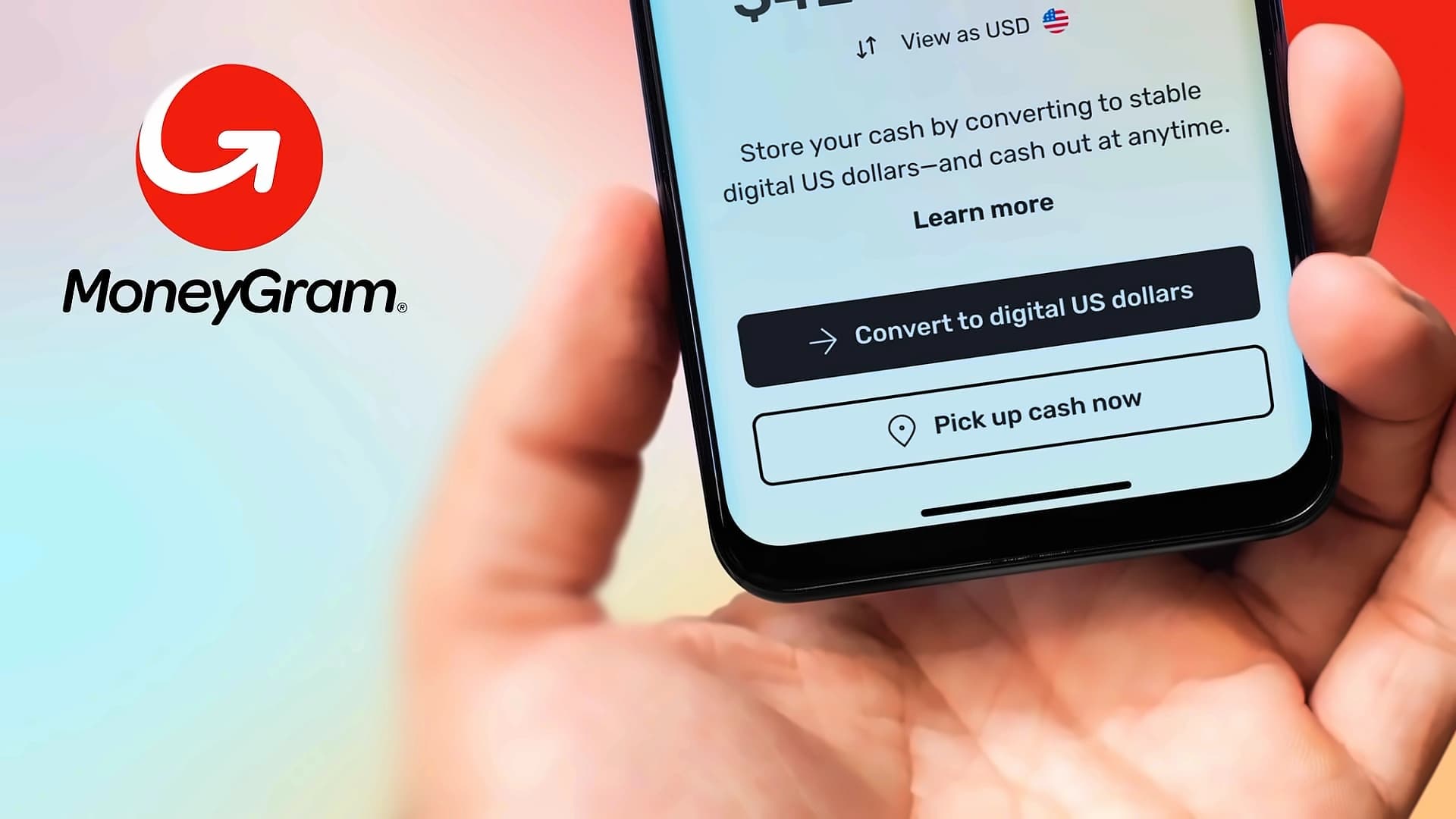
Global payments company MoneyGram has officially become a validator on the Solana blockchain and joined the Solana Developer Platform, marking the company's formal entry into the Solana ecosystem. According to reports, this represents the third public blockchain where MoneyGram operates an official validator, following its participation in Tempo and Midnight Network. MoneyGram CEO and Chairman Anthony Soohoo explained that the growing importance of blockchain infrastructure in global payments has encouraged institutions to actively support network security, resilience, and long-term development. The validator role enables MoneyGram to strengthen the overall ecosystem while participating directly in network operations, with the company gaining access to development tools that can be used to create and launch innovative financial products. Luke Tuttle, Chief Product and Technology Officer at MoneyGram, emphasized the company's active role in network operations: "Running a validator puts MoneyGram inside Solana's consensus. We stake Solana, process transaction blocks and help secure the network at the protocol level. We help run the rails we move money on."
MoneyGram has launched MGUSD, a dollar-pegged stablecoin built on the Stellar blockchain, marking a significant shift in the company's digital asset strategy. The product is integrated into the MoneyGram app as a non-custodial wallet, issued through Stripe's Bridge platform, and handles smart contracts through M0 with wallet security provided by Fireblocks. Since 2021, MoneyGram and Stellar have launched stablecoin cash on-ramp and off-ramp services, introduced the MoneyGram Ramps API, and enabled in-app stablecoin balances for users. The stablecoin aims to bridge digital dollars and physical cash, allowing senders to move MGUSD across the chain in seconds while recipients can collect local currency at MoneyGram locations. The token is currently available through the MoneyGram mobile app for customers in the United States.
Despite headlines suggesting a recent defection, MoneyGram's relationship with Ripple actually ended years before the MGUSD launch. The partnership between 2019 and 2021 saw Ripple invest approximately ₹425 crore in MoneyGram and the companies integrate Ripple's On-Demand Liquidity service using XRP as a bridge asset. However, this partnership concluded in 2021 after the U.S. Securities and Exchange Commission filed a lawsuit against Ripple, alleging that the company had conducted a $1.3 billion unregistered securities offering through XRP sales. The legal dispute reached its final resolution late last year, leaving intact a landmark 2023 ruling that determined XRP itself is not inherently a security and that its sales on public cryptocurrency exchanges did not violate securities laws, though Ripple's direct sales to institutional investors were found to have violated federal securities regulations. Sheraz Shere, General Manager of Payments and Commerce at the Solana Foundation, noted that "MoneyGram's decision to launch a validator on Solana and join Solana Developer Platform reflects a commitment to the Solana ecosystem."
The latest validator partnership builds on MoneyGram's ongoing investment in blockchain technology and represents a broader expansion of its digital payments ecosystem. MoneyGram has recently expanded its cryptocurrency off-ramp capabilities through a partnership with crypto exchange Kraken, further broadening its digital payments capabilities. The company's membership in the Solana Developer Platform provides access to collaborate within an ecosystem that includes major institutions such as Mastercard, expanding its ability to develop blockchain-powered payment solutions. Soohoo emphasized the company's long-term blockchain strategy: "We've spent more than five years building real-world payment solutions using blockchain and stablecoins. We've never viewed blockchain as an end in itself. We've viewed it as a tool that can help us make money movement faster, simpler, and more accessible for customers around the world." The Solana integration connects a business that serves more than 60 million customers through nearly 500,000 retail locations with one of the busiest crypto networks, reflecting the growing trend of payment firms issuing their own stablecoins rather than routing value through third-party bridge assets.
The market reaction to MoneyGram's latest blockchain developments has been relatively muted, with the price movement reflecting the limited direct impact on existing partnerships. The analysis suggests that the real threat to XRP's future lies in whether the remittance industry as a whole decides to hold dollars rather than bridge through any token, with the focus shifting from individual partnerships to overall market adoption patterns of stablecoins and institutional settlement solutions. XRP still maintains live On-Demand Liquidity corridors with other partners and continues to host Ripple's RLUSD stablecoin on the XRP Ledger, though the broader trend toward institutional control of dollar rails poses long-term challenges for third-party bridge asset usage. Soohoo concluded that "the future of cross-border payments will rely on open and interoperable stablecoin networks supported by regulation and operational scale."