According to reports from CoinDesk, MoneyGram has officially joined Solana as a validator, marking a significant expansion of its blockchain infrastructure involvement. By operating as a validator, MoneyGram will help process transactions and secure Solana's proof-of-stake network, becoming a key component of the infrastructure that maintains the blockchain's operations. The company announced on June 22 that it is now an active validator on the Solana network, contributing to the network's security, integrity, and performance. As per MoneyGram's latest announcement, the company now operates an active validator on the Solana blockchain, where it stakes SOL, processes transaction blocks, and contributes to network security and performance. This marks the beginning of MoneyGram's engagement with the Solana ecosystem as part of its commitment to supporting the continued growth of blockchain-based financial infrastructure.
The company described the move as the next stage of a blockchain strategy that has become part of its treasury, product development and payments operations over the past five years. According to AMBCrypto, the move represents a shift from simply using blockchain rails for payments to participating in the network's operation. MoneyGram joins a validator ecosystem that currently consists of 729 validators, placing it alongside infrastructure providers such as Figment, Helius, Everstake, Galaxy, and Bitwise, as well as exchange-operated validators from Binance and Kraken. Data from Solana Beach shows that the largest validator controls approximately 3.7% of the total stake. Luke Tuttle, Chief Product and Technology Officer at MoneyGram, explained that operating a validator places the company directly within Solana's consensus process and allows it to help secure the network at the protocol level. "Running a validator puts MoneyGram inside Solana's consensus," Tuttle said, adding that the company stakes SOL, processes transaction blocks, and helps secure the network at the protocol level. The Solana Developer Platform launched in March 2026 and includes modules for stablecoin issuance, payments orchestration, and onchain trading, allowing enterprises to ship products in weeks rather than months.
According to CoinDesk, the company's involvement with Solana reflects a broader strategy of building on open blockchain networks rather than relying on a single chain. The company now operates official validator nodes on Solana, Tempo, and Midnight while continuing to build stablecoin-based payment services. MoneyGram Chairman and CEO Anthony Soohoo stated that the company has integrated blockchain into its payment infrastructure over the past several years, with everything being built on this foundation. "The future of global money movement will be built on open, interoperable stablecoin payment networks that anyone can access from anywhere," Soohoo said. The move places MoneyGram closer to the infrastructure layer of a blockchain that has become one of the main networks for stablecoins, consumer crypto applications, and high-throughput payments experiments. The company is now positioned as a liquidity bridge between two of the most payments-focused public blockchains, with Stellar continuing to anchor its retail cash network and native stablecoin issuance while Solana offers access to deeper stablecoin liquidity and faster settlement throughput.
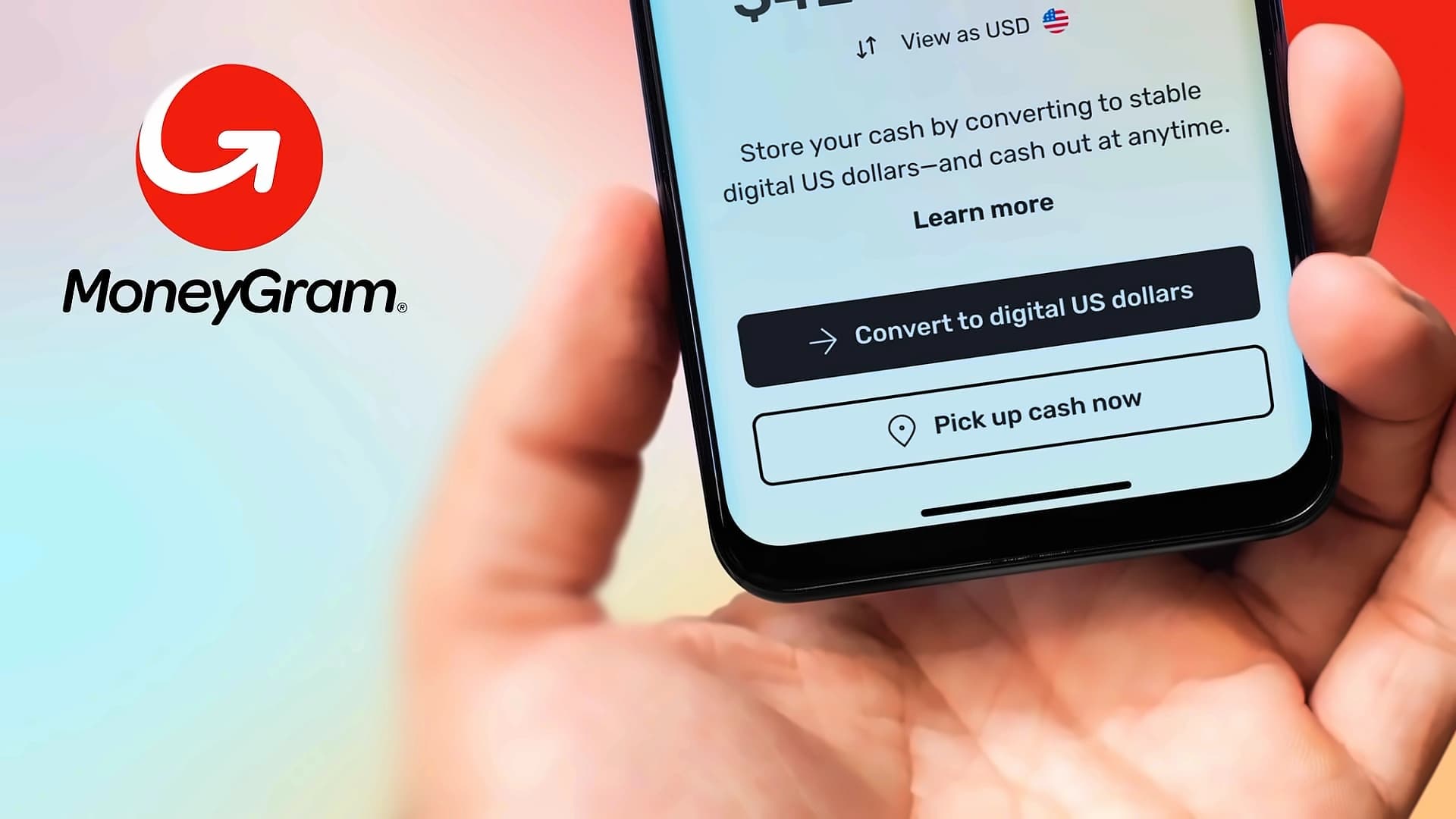
As reported by CoinDesk, the validator role follows the launch of the company's MGUSD stablecoin on Stellar earlier this month through a partnership with Bridge, which is owned by Stripe. CEO Anthony Soohoo stated that the company has spent several years integrating blockchain into its payment infrastructure, with everything being built on this foundation. According to Soohoo, MoneyGram believes the future of global money movement will be built on open, interoperable stablecoin rails that anyone can access. The company introduced the stablecoin on June 2 through a partnership with Bridge, where M0 provides the infrastructure used to mint and burn the token, while Fireblocks supplies custody services. MoneyGram has also introduced stablecoin-based remittance services, crypto-to-cash withdrawals and digital dollar products across multiple markets. As of 2026, the company's global crypto cash service using USDC on Stellar operates across 170+ countries, with nearly $30 million in cumulative transaction volume. Since 2021, MoneyGram and Stellar have launched stablecoin cash on- and off-ramps, the MoneyGram Ramps API, and in-app stablecoin balances, while the company recently expanded off-ramp services through a partnership with Kraken, strengthening the link between crypto liquidity and cash-out access.
The Solana announcement comes weeks after MoneyGram launched MGUSD, its own U.S. dollar stablecoin, on the Stellar blockchain. MoneyGram has previously worked with Ripple between 2019 and 2021, using RippleNet and XRP-based On-Demand Liquidity products before the partnership ended following the U.S. Securities and Exchange Commission's lawsuit against Ripple. When asked about future partnerships, Soohoo stated, "We are not in a position to comment on any future partnership arrangements." The company's blockchain payments strategy has expanded through partnerships with Stellar, Crossmint, Fireblocks, Kraken, and now Solana. As institutional adoption accelerates, MoneyGram's participation in the Solana ecosystem sends a signal about the long-term legitimacy of the network and raises standards for serious institutional contribution. The arrival of a 60-million-customer payments network on Solana raises the stakes for institutional crypto, with the company staking SOL, securing the network, and shipping products through Solana Developer Platform. The validator set now reflects the future MoneyGram and Solana are building toward, with Solana offering block times of roughly 400 milliseconds and median transaction fees near $0.0005, while the network processed approximately $650 billion in stablecoin volume during February 2026, the highest figure of any blockchain that month.