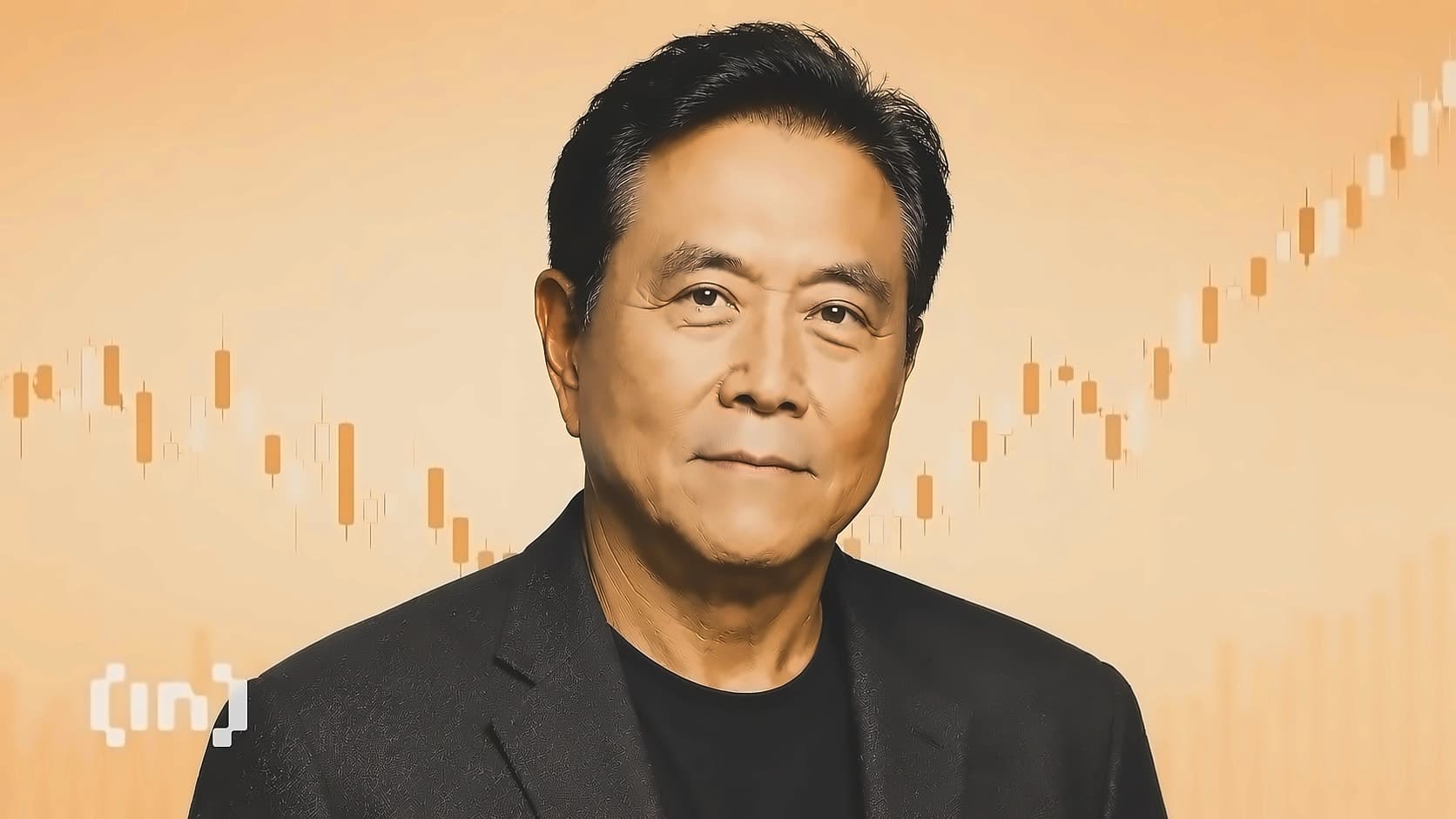
Robert Kiyosaki, author of Rich Dad Poor Dad, declared this week that the largest stock and bond market crash in history has already begun in 2026. According to reports from The Economic Times, Kiyosaki tied this warning to predictions first made in his 2002 book, claiming the collapse is now spreading from Europe and Japan worldwide. The financial educator has been consistently repeating versions of this same warning since at least 2022, tying each new post back to his original 2002 forecast. In his latest social media post on X, Kiyosaki specifically pointed to Japan and Europe as early signs of the global market crash, citing recent market declines as the first signs of the major downturn he has warned about for years. As per The Economic Times, Kiyosaki described the situation in stark terms, stating that "the biggest crash in history has started." Meanwhile, Marc Faber, publisher of the "Gloom, Boom & Doom" report, has issued his own warning about a "devastating financial crisis incoming," as reported by The Financial Express. Faber, known for predicting major market events including the 1987 crash and dot-com bubble burst, continues to voice his opinions about the current market environment.
Kiyosaki points to several key factors driving his crash warning, as reported by The Economic Times. He identifies speculative excess around artificial intelligence, ongoing tension involving Iran, record global debt levels, and the mass retirement of Baby Boomers, straining pension systems simultaneously. Recent market data supports his concerns, with Japan's Nikkei falling from its June high near 72,000 to around 63,500, while SoftBank has also dropped sharply. The Bank of Japan is moving toward higher rates, with markets expecting a 25-basis-point hike to 1.25%, which could reduce liquidity and put more pressure on asset prices. European markets are also under pressure, with major tech stocks such as ASML and Infineon falling sharply, while the broader STOXX and DAX indexes have pulled back from recent highs. Kiyosaki specifically blames the AI frenzy for adding to financial risks, describing it as "a massive global wave of excitement, heavy investment, and rapid tech development around artificial intelligence." Faber describes US equity valuations as "overblown" and expects a meaningful deflation relative to the size of the economy, even as major indices keep hitting record highs despite two active wars.
Kiyosaki specifically blames the AI boom for adding to financial risks, as reported by The Economic Times. His concern centers on huge money flowing into AI companies and related investments, pushing expectations and valuations higher. This warning comes as major AI leaders call for a slower pace of AI development. OpenAI CEO Sam Altman and Anthropic CEO Dario Amodei have called for stronger safety measures as AI systems become more powerful, while Elon Musk has also backed calls for tighter controls on advanced AI. These concerns gained more attention after the recent Hugging Face security incident involving AI agents, making the AI boom another major risk that could add pressure to an already weakened global market. Faber notes that "the worst bond market return has been over the last 10 years in the history of the US bond market" because the Fed kept interest rates artificially low for too long, laying groundwork for future inflation.
Kiyosaki has issued a specific warning to investors holding retirement savings through traditional accounts, as reported by The Economic Times. "If you have a 401k or IRA or Superannuation, or a RRSP you may be in trouble, especially if you're over 40 years old," he wrote in his latest social media post. This warning represents a significant escalation from his previous general market warnings to direct advice for specific investor categories. Kiyosaki frames these traditional retirement vehicles as particularly vulnerable to the current market conditions, urging caution among older investors who may be approaching or in retirement. Faber's advice focuses on diversification across real estate, equities, precious metals, commodities, and different sectors within the market, as reported by The Financial Express. He also emphasizes geographic diversification, holding some assets outside one's home country and, where possible, outside the custody chain of large US institutions.
Drawing a parallel to the Great Depression, which he notes spanned roughly 25 years from 1929 to 1954, Kiyosaki argued that prepared investors can turn a crisis into a lasting opportunity, according to The Economic Times. His preparation strategy centers on rejecting cash savings entirely and favoring income-producing real estate, oil wells, and hard assets like gold, silver, and Bitcoin instead. Kiyosaki warns people over 40 who hold traditional retirement accounts such as 401(k)s, IRAs, superannuation funds, or RRSPs that a major market crash could put these savings at risk. He frames these assets as protection against the "fake money printing" he expects governments to unleash in response to any downturn. Faber's overall message is stark: he expects a prolonged, painful adjustment for asset holders, driven by unresolved government debt, loose monetary policy dressed up as tight policy, and geopolitical conflict that shows no sign of resolving soon. His prescription is defensive: own more precious metals, diversify broadly, and hold at least some assets beyond your home country's borders.