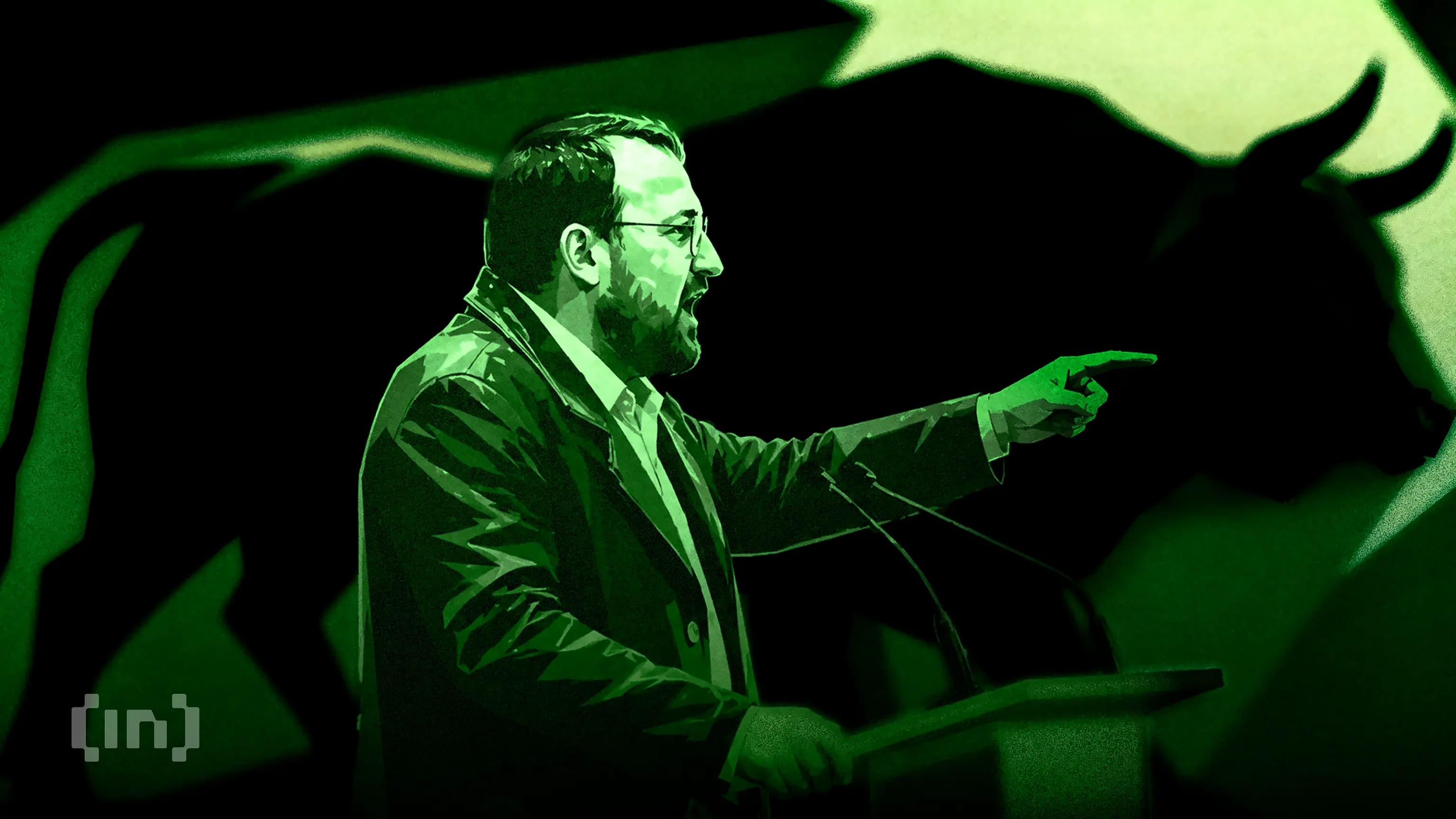
Charles Hoskinson's comprehensive plan to repair Cardano's stalled governance system has failed to convince the market, with ADA prices remaining near $0.16, down 32% in a month. The token has fallen roughly 32% over the past 30 days, with Cardano's market value slipping to about $5.8 billion. The market rejection comes despite Hoskinson's three-video explanation in mid-June, where he argued the network needs a new decision-making structure, a moderated Discord, and a voting bloc with enough power to pressure funding applicants into public accountability. ADA broke below support near $0.20 on June 2 and fell toward $0.157 by June 6, a level last seen in 2020, with the heaviest volume suggesting capitulation rather than orderly rotation. As Hoskinson acknowledged, "Of course, I care about the price of ADA. The price of ADA is directly connected to the security and the utility of Cardano."
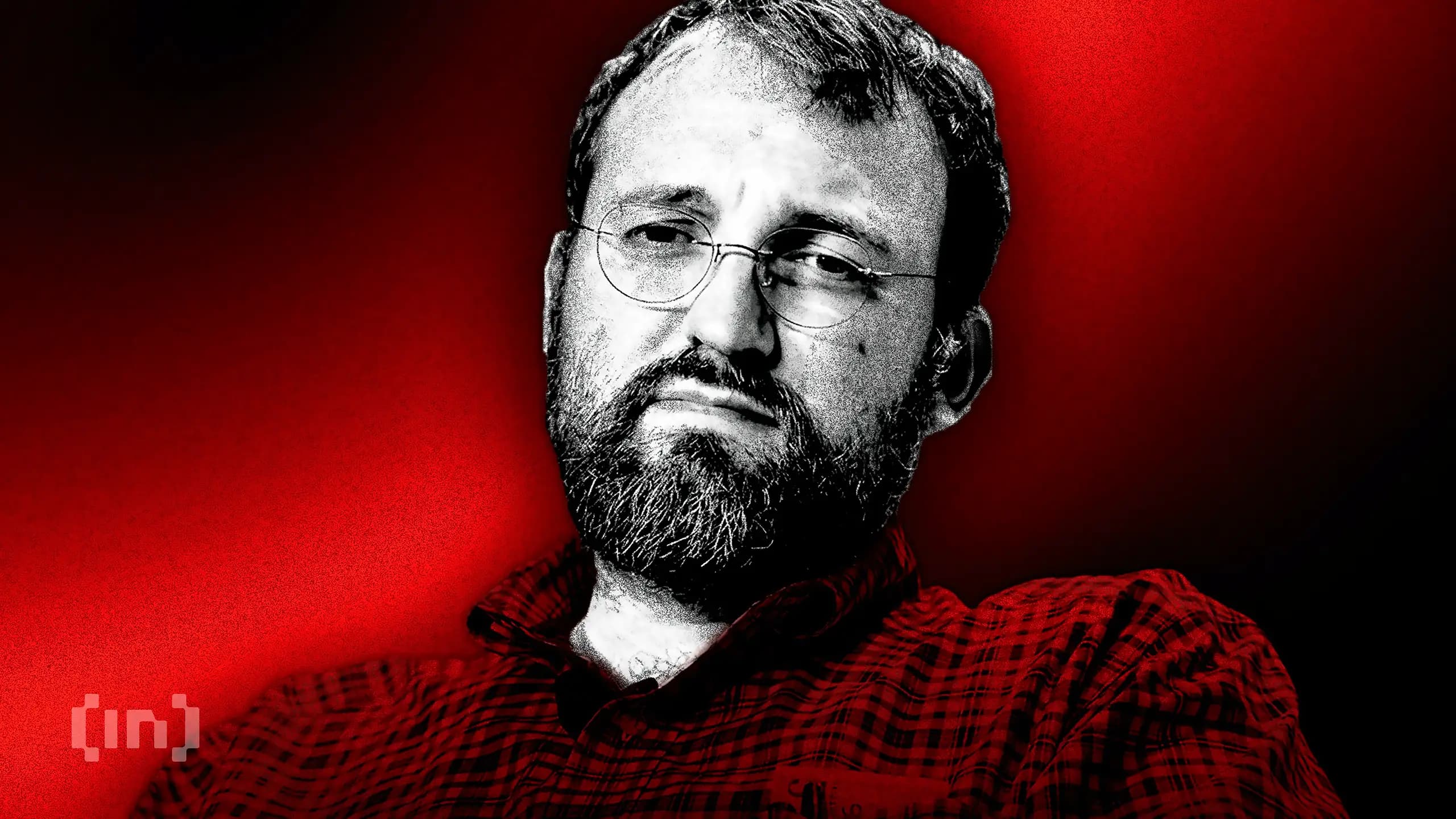
The governance crisis has reached critical levels, with Cardano facing more than 600 million ADA in funding requests against a 350 million ADA net change limit, according to Hoskinson's analysis. The failed treasury vote for a 2026 Cardano summit added to the tension, while several Delegated Representatives have stepped back from active governance, feeding the view that Cardano's new political system is already straining. The decline has arrived alongside deeper ecosystem stress, with analytics platform TapTools winding down and other Cardano builders stepping back. DRep fatigue has spread as governance votes become more contentious, highlighting the persistent challenges facing the network even as it prepares for key funding proposals and technical upgrades such as the upcoming Ouroboros Leios over the coming months.
Justin Bons, founder and CIO of Cyber Capital, Europe's oldest crypto investment fund, has called for the removal of Charles Hoskinson from his leadership role at Cardano, citing concerns over governance structure changes. According to reports from Crypto.news, Bons made this viral post on Tuesday, criticizing IOHK's delivery on scalability and calculating Cardano's current maximum capacity at roughly 23 transactions per second in 2026. The call for leadership change has triggered significant backlash from the entire Cardano community, with supporters accusing him of spreading fear, uncertainty, and doubt (FUD) across the ecosystem. The post triggered a wave of responses that exposed deep divisions inside Cardano, with users criticizing Bons' lack of constructive contributions to the ecosystem and arguing that governance decisions should be made on the front end rather than the backend when they don't go their way.
Hoskinson's solution centers on moving governance discussions to a moderated Discord server, modeled on his Midnight project's community server that grew to about 49,000 members after bad-faith actors were removed. The proposed Cardano version would use zero-knowledge technology so members can speak and vote without public attribution, protecting early ideas from harassment and retaliation. Hoskinson plans to register as a DRep and form what he calls a political party, with the rule being direct: "We will automatically vote no on all funding proposals unless they join and participate in the governance Discord." He frames this as an accountability tool rather than a takeover, with all final decisions still requiring on-chain votes. Hoskinson also wants a new version of the Cardano constitution with clearer executive roles, elected authority, and defined growth targets, arguing that without an agreed definition of growth, every budget fight will collapse into competing interpretations of success.
Bons drew historical parallels to Bitcoin's early forum battles on Bitcointalk and Reddit, warning that censorship-prone environments tend to silence dissent and concentrate power, as reported by Crypto.news. He described this as a "Faustian bargain not worth making" for any decentralized network. "That is the bottom line here. By forcing the issue and voting NO on all proposals not in the Discord, they are effectively centralizing discussion in a centrally controlled location. Giving the IOHK faction effective censorship power over the discussion. Which is also exactly what led to BTC's downfall through the control of Bitcointalk & r/bitcoin," Bons noted. The idea behind the Discord move is to reduce noise and algorithmic amplification on X, where governance debates frequently dominate timelines and attract external criticism. However, for Bons, this represents a fundamental threat to decentralization, as it could give IOHK-aligned factions effective veto power over important discourse. The market is now waiting for execution events rather than narrative announcements, with "None of those are narrative events. All of them are execution events."