According to the analysis, the five cryptocurrency candidates for October 2026 were selected based on established trading history, substantial communities, and clear development milestones. The criteria require coins to have operational longevity - Bitcoin since 2009, Ethereum since 2015, XRP Ledger since 2012, BNB Chain since 2020, and Solana since 2020. As reported, these assets must demonstrate usable network functionality or clear monetary role, and have dated development or demand questions for October. The selection process excludes newly created tokens with limited trading history.

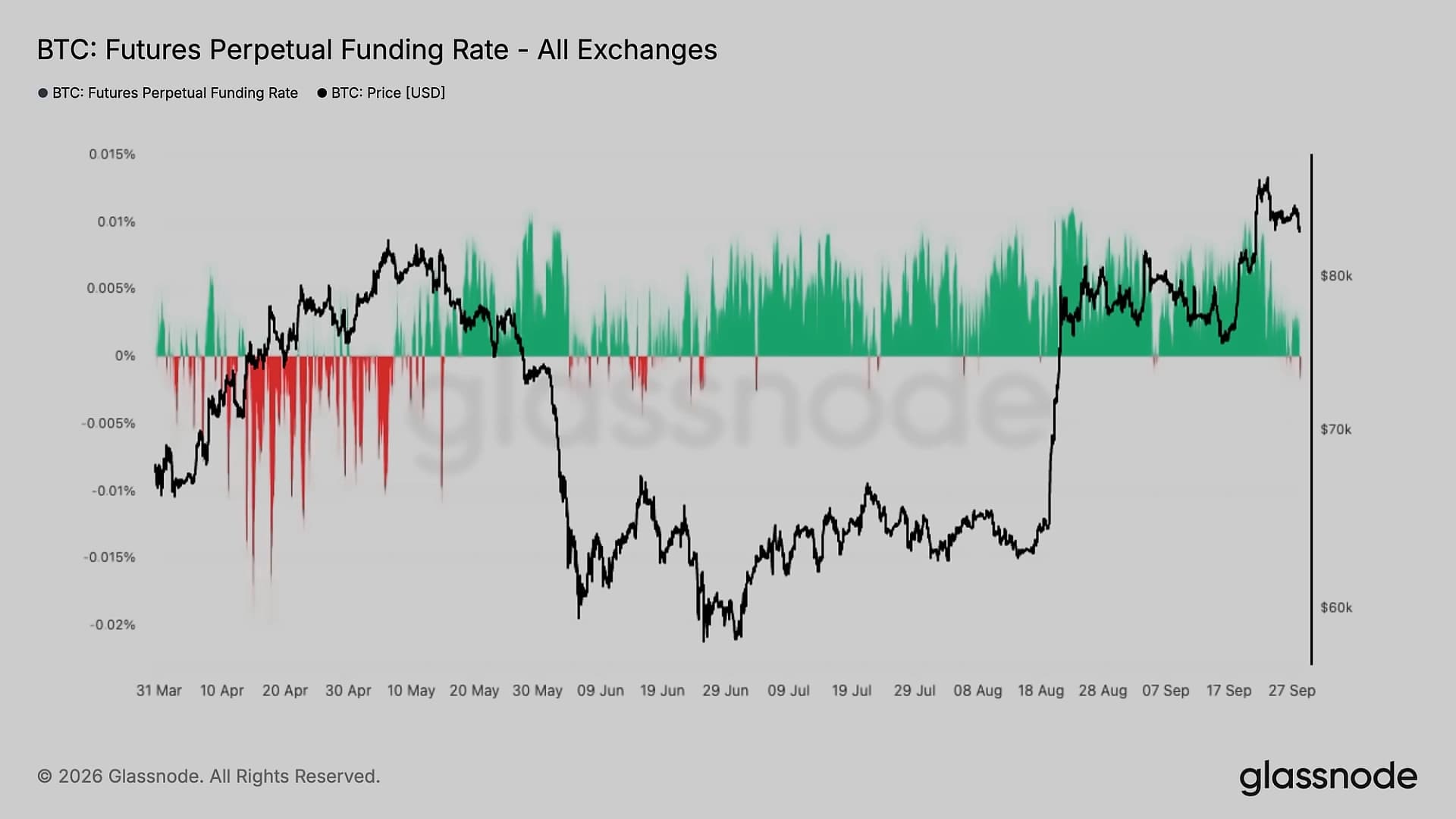
Bitcoin maintains its position as the largest cryptocurrency asset with an October 5 closing price near ₹73.6 lakh ($85,771) on CoinGecko, as reported. The analysis notes that Bitcoin's October case rests on cash demand and its longest running monetary policy, with the Bitcoin supply schedule capping issuance at 21 million BTC and estimating the next halving in 2028. According to the report, U.S. spot bitcoin exchange traded funds took in about ₹200 crore ($2.39 billion) during the week ending September 25, though this represents observable institutional access rather than establishing an October trend. Bitcoin is currently 50% down from its all-time high, creating a massive opportunity for investors seeking exposure to the leading cryptocurrency.
Ethereum's Glamsterdam upgrade is targeted for the fourth quarter with a Sepolia test scheduled for October 6, as reported. The protocol changes include enshrined proposer builder separation and block level access lists designed to address block production and execution efficiency. The analysis emphasizes that the October 6 Sepolia activation is a testnet milestone and should not be presented as the mainnet upgrade itself, with the official roadmap confirming the mainnet date remains unconfirmed. Ethereum opened Monday at $2,727 and is trading just under that level, roughly 1.5% higher than Sunday, with the cryptocurrency having beat Bitcoin in the third quarter yet facing rejection at $2,800 three times. The Ethereum Foundation says testing supports a gas-limit floor of 200 million after the fork, more than three times today's capacity, while spot ETH ETFs continue absorbing supply.
Solana trades at roughly $121, up about 2% on the day and still almost 60% below its all-time high of $295, according to the latest reports. This significant gap represents the primary investment opportunity for Solana, which has maintained strong ecosystem growth despite token price stagnation. Solana is one of only a handful of networks where the ecosystem kept growing while the token went nowhere, with DEX volumes remaining among the highest in crypto and consumer apps continuing to launch. The network has gained institutional credibility with Charles Schwab adding SOL alongside Avalanche and Chainlink for its 39 million clients in late August. Spot Solana ETFs exist but their inflows have cooled, which is why the rally has stalled around $120 for weeks, though SOL is up for the year in euros and down in dollars, making entry currency selection crucial for European investors.
BNB Chain has announced a late October Jenner testnet fork with the mainnet fork planned for late November, as reported. The 2026 technical roadmap describes work on execution performance, lower fees, storage and developer tools. The analysis emphasizes that successful testnet activation would move the engineering process forward but would not mean Jenner was already live for all BSC users. BNB's role in fees means usage can connect to token demand, though fee reductions may mean each transaction consumes less BNB. The network maintains strong positioning as one of the largest blockchain ecosystems by active users.
XRP Ledger's Batch amendment is nearing an October decision subject to validator support and the outcome of a security fix, according to the report. The amendment aims to combine dependent actions for potentially useful atomic settlement capabilities. The analysis notes that amendments need sustained validator support before activation, requiring verification of specific Batch amendment votes, validator versions, and published bug fixes. XRP maintains a long-lived holder base and network that processes payments and token transactions, though issuers can represent other assets while XRP fees per transaction remain small. The network continues to process tokenized fund shares and maintains strong institutional adoption across major financial institutions.