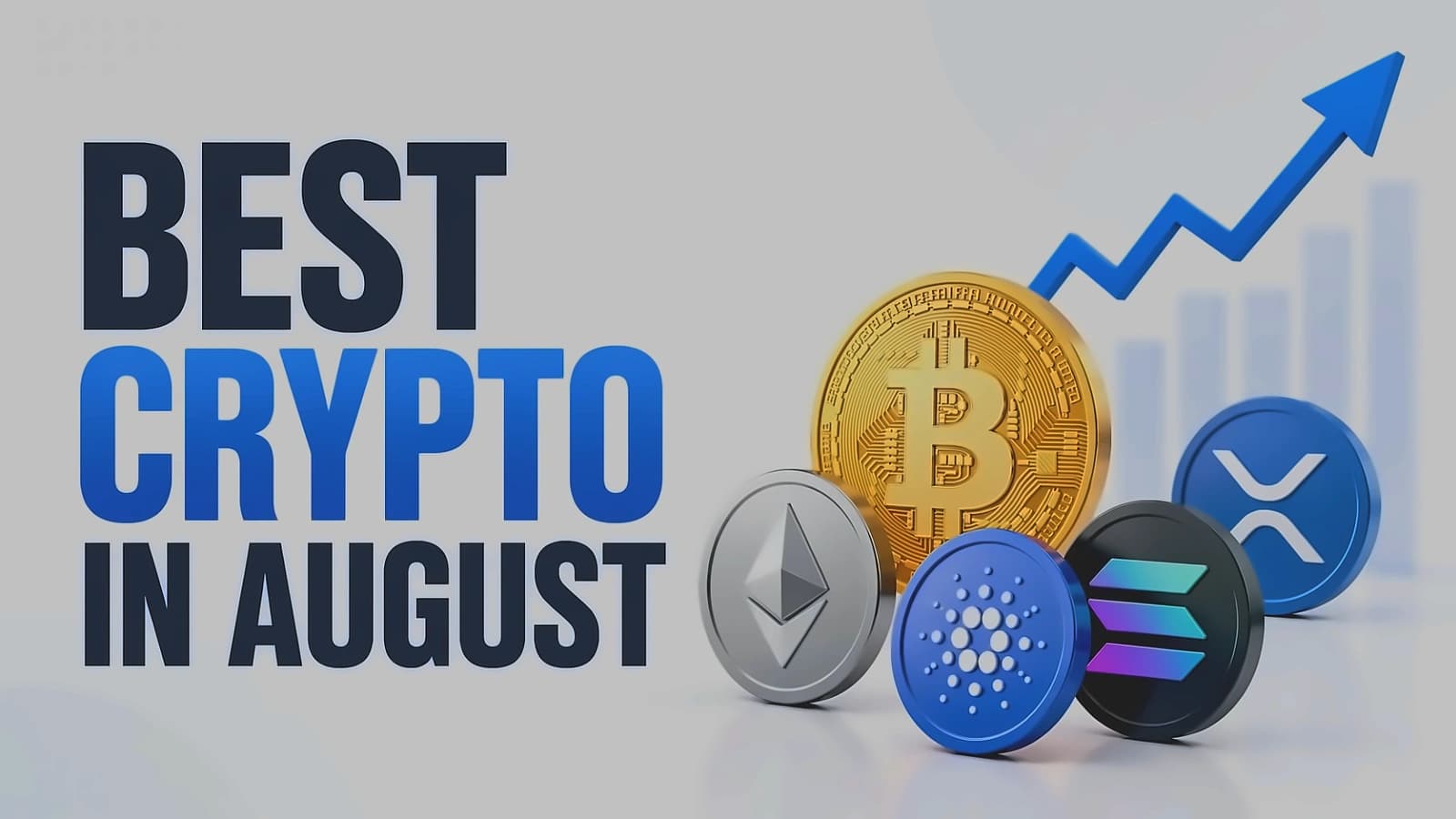
According to reports from CNBC TV18, Cardano has emerged as the strongest performer in August 2026, delivering a 36% monthly gain and 16% weekly performance. The altcoin rally has been broad-based, with XRP posting 35% monthly gains and 15% weekly returns, while Solana achieved 30% monthly gains and 15% weekly performance. Bitcoin has reclaimed the $80,000 level with 25% monthly gains and 14% weekly returns, outperforming the world's largest cryptocurrency by market value. Ether recorded 32% monthly gains and 10% weekly performance during the August rally. Latest data shows Bitcoin gained 1.35% to approach $80,000, providing a firmer base for the wider market, with Solana's 4.12% surge and XRP's 2.11% gain indicating stronger risk appetite in selected altcoins.
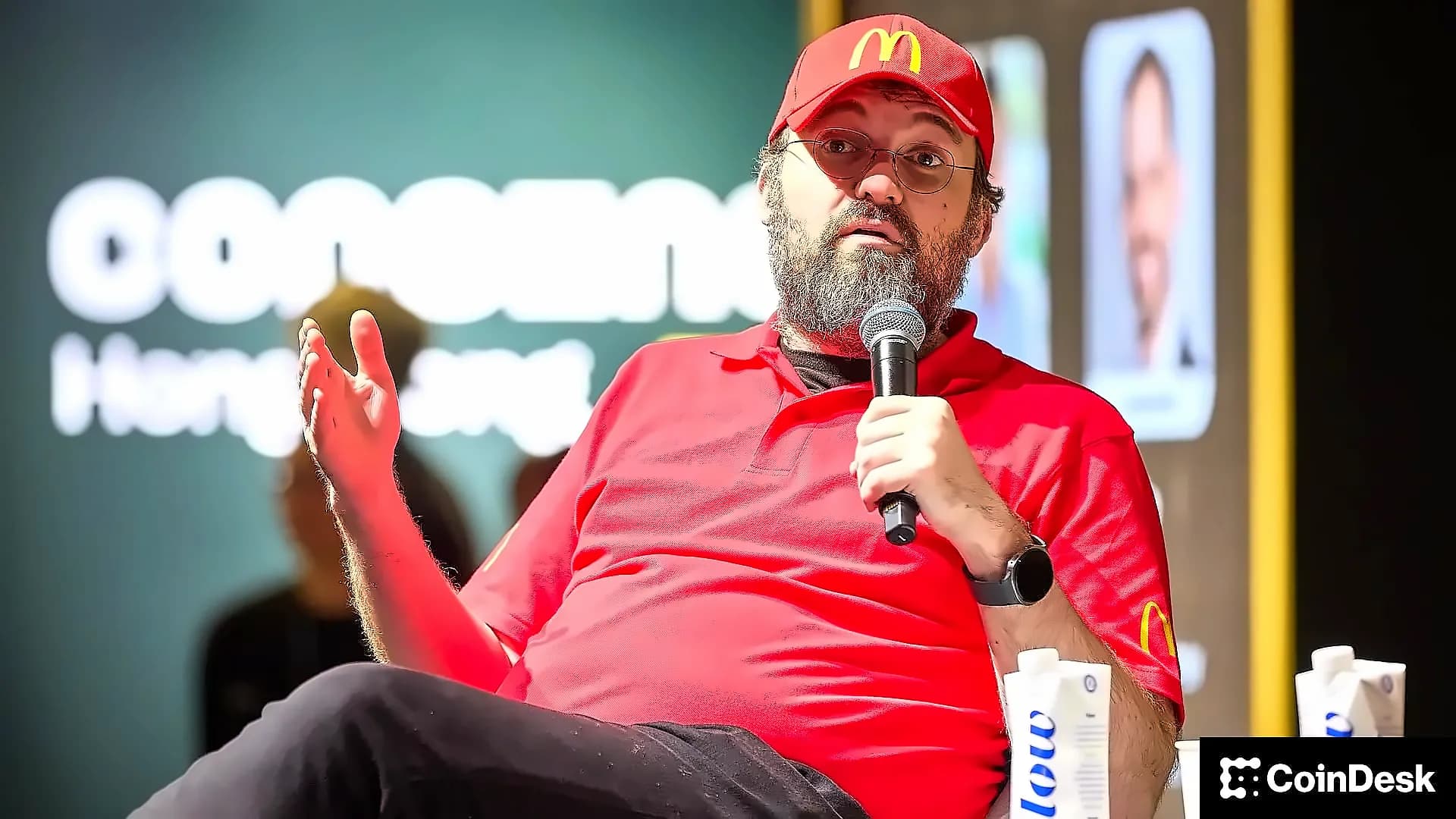
Cardano founder Charles Hoskinson has pushed back against mounting criticism of the ecosystem, declaring during a recent interview on The Breakdown with David Gokhshtein that "Don't bet against me, we're gonna win this fight." The comments come as ADA gained roughly 26% over the last week, according to BeInCrypto data, providing support for his optimistic outlook. Hoskinson rejected criticism from ARK Invest's Lorenzo Valente, who questioned why the industry continues to reward Cardano despite ongoing governance disputes and struggles affecting some ecosystem projects. Hoskinson continues to encourage the community to focus on the network's long-term potential rather than short-term price action, maintaining his previous ambition for ADA to eventually become the largest crypto by market cap.
Beyond price action, Hoskinson pointed to concrete development work underway to support his optimism. Ouroboros Leios aims to significantly increase Cardano's transaction-processing capacity, while Hydra remains a key Layer-2 initiative designed to support faster, more efficient transactions as the network competes with Ethereum and Solana on scalability and adoption. The technical advancements are part of Cardano's strategy to maintain its position among leading crypto networks despite ongoing challenges. Claude AI predicts Ethereum reaching $3,600 to $4,000 by year-end 2026, with $3,800 as the realistic base case, while technical analysis shows resistance at $2,532.3, then the $2,600 line that decides the bear case, then $2,800, with support ranges from $2,424 to $2,200, with $1,900 as the structural base.
In a significant development, Hoskinson revealed that Cardano and Ethereum developers should work together, after years of rivalry between the two networks. He wants Ethereum to explore Cardano's UTXO-based technology, which changes how transactions and smart contracts are processed. The collaboration would require no funding or apologies over past disputes and could produce a working integration within months, according to Hoskinson. For Cardano, such cooperation could give its technology a much larger stage and help Cardano connect more closely with Ethereum, showing that ideas developed within its ecosystem can have value beyond ADA's price. This represents a fundamental shift from competition to collaboration in the crypto ecosystem.
As reported by CNBC TV18, institutional buying has significantly contributed to the rally's momentum. US spot Bitcoin exchange-traded funds recorded $1.92 billion of inflows in a single week, signalling renewed demand from large investors. The latest Bitcoin rebound has shown technical strength, with CNBC Pro reporting that Bitcoin gained about 22% over the previous week, taking it above its 200-day moving average. Crypto markets are seeing steady institutional interest, with $206.4 million in net inflows on August 24th, with weekly inflows now standing at $1.92 billion for Bitcoin and $697 million for Ethereum. The August rally has been supported by several key factors including developments in US Treasury markets, strong institutional demand, and hopes of clearer crypto regulation, with the US Treasury doubling long-end liquidity-support buybacks from $2 billion to at least $4 billion per operation from September 9.