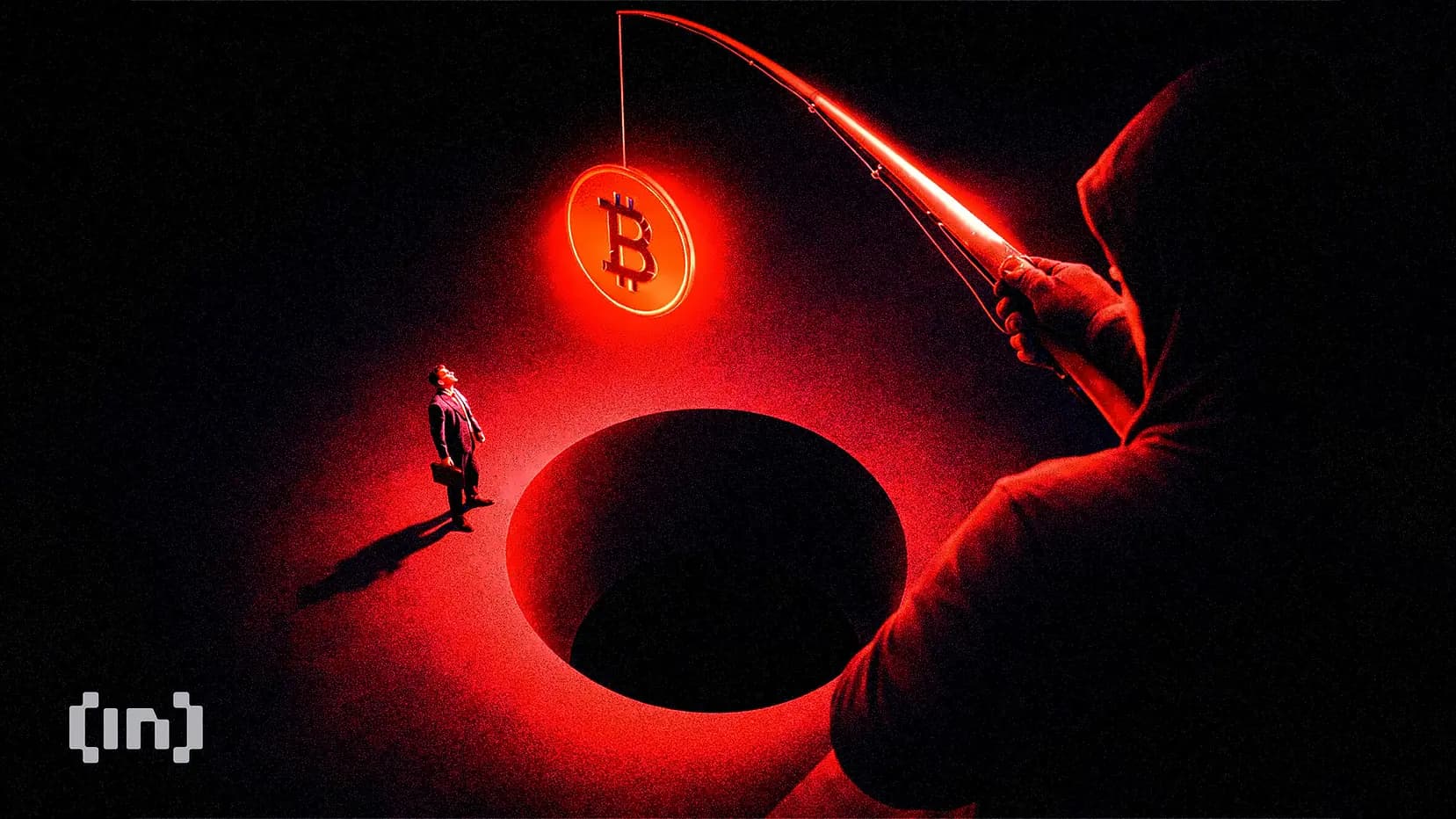
The ESPORTS token experienced a violent flash crash as its fully diluted valuation collapsed by more than 90% in less than two hours, dropping to roughly $33 million after aggressive on-chain selling by wallets associated with the project hit both centralized and BNB Chain venues. According to on-chain data compiled by independent analysts, addresses tied to ESPORTS market participants offloaded about 178 million ESPORTS on BNB Chain, receiving approximately 19,049 BNB in return, worth close to $12.76 million at execution prices before slippage accelerated the downside move. The forced selling effectively carpet bombed order books across decentralized exchanges and liquidity pools, triggering cascading liquidations and a feedback loop that crushed spot prices on centralized platforms such as Kraken where ESPORTS was listed for trading in late 2025.
On-chain analyst accounts that track large flows into exchange hot wallets have tied a significant portion of the ESPORTS token outflow to specific Kraken deposit addresses previously associated with DWF Labs. According to the analysis, five days before the crash, one monitored address sent 19.9 million ESPORTS, then worth roughly $13.9 million, into a Kraken wallet linked by attribution tooling to DWF Labs. That same cluster of addresses has since been repeatedly selling into the market in smaller chunks as liquidity thinned out. In a previous investigation into DWF activity across other tokens, ChainCatcher reported that Binance surveillance staff had internally concluded DWF manipulated the prices of YGG and at least six additional assets, conducting more than $300 million in wash trades in 2023 before a later review walked back the findings.
For retail traders and funds rotating through gaming and esports narratives, the ESPORTS implosion functions as an abrupt repricing of risk in a sector that has relied heavily on outsourced liquidity provision from firms like DWF and on exchange incentives to manufacture depth. Tokens with similar structures and concentrated holdings have already come under pressure after earlier DWF controversies around YGG, DODO and C98, where post funding price spikes gave way to sharp reversals once promotional flows subsided and alleged market making activities tapered off. The dynamic echoes past episodes where concentrated players dominated circulation, such as in the SIREN token case where on-chain analysis suggested a single controller may have held close to 88.5% of supply while profiting through derivatives, again with DWF named as a likely nexus.
For exchange listed gaming names, the ESPORTS dump is likely to feed directly into risk models and listing committees, especially at platforms that have already seen reputational damage from prior flash crashes. The event revives scrutiny of DWF Labs and raises risk premium on thin gaming tokens, with the firm continuing to deny any wrongdoing and to present itself as a partner providing "efficient and sustainable liquidity" to over seven hundred projects. Previous episodes around Bitcoin liquidations and flash events have demonstrated how quickly trust evaporates once order book integrity is questioned, and ESPORTS now joins that catalogue of cautionary tales even if the absolute dollar amounts are smaller. Within the sector, the ESPORTS crash will likely be referenced alongside other collapses covered by crypto.news and in future analysis of market maker behavior, concentration of token supply, and the thin margin between narrative driven rallies and structurally fragile order books.